



If you’re looking to live your healthiest life in the new year, lowering your inflammation levels is an important thing to consider. In most cases, inflammation is perfectly normal; it’s your body’s natural response to pain and injury. However, when the issue becomes chronic, it can lead to serious health effects and even contribute to the development of diseases. And while many factors can contribute to inflammation, one of the most important changes to make is your diet.
While there are plenty of great anti-inflammatory foods to add to your plate, there’s also an unfortunate amount of popular grocery items that could have the opposite effect. To learn about some of the worst choices you should consider cutting out in 2026, we spoke to Dr. Helen Messier, MD, PhD, Chief Medical and Science Officer at Fountain Life. Find her expert advice below.

This Clean, Effective Powder Helps Support Muscle Growth, Endurance, And Recovery

1. Refined Carbohydrates
Refined carbs like white bread and pastries are quickly digested, sending your blood sugar through the roof—and leading to fat storage. "They spike glucose and insulin, then crash—a hormonal rollercoaster that encourages fat storage and inflammation," Dr. Messier says. Choosing whole grains instead helps keep blood sugar levels stable and supports a balanced diet.

2. Processed Meats
Processed meats like hot dogs are notoriously hard to resist. But if you want to shed pounds, it's a good idea to cut these out, as they’re loaded with preservatives and inflammatory compounds. "Processed meats are often high in nitrates and AGEs (advanced glycation end products), which trigger oxidative stress and fat storage," Dr. Messier warns.
3. Vegetable Oils
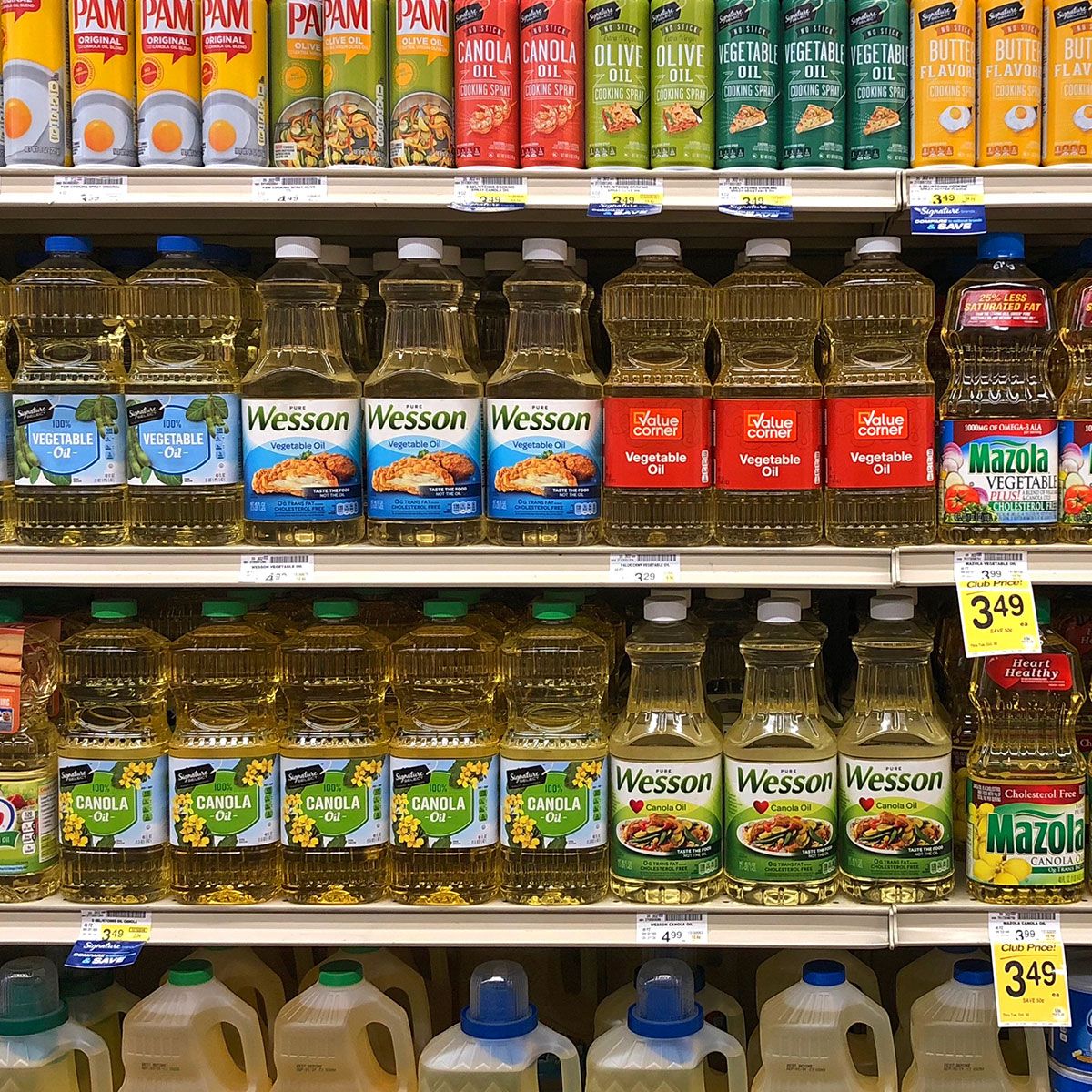
Say goodbye to soybean, corn, and canola oil. Vegetable oils can be harmful to your health due to their unhealthy fat content, Dr. Messier warns. "They’re high in omega-6 fatty acids, which in excess (without balancing omega-3s) tip the body toward a pro-inflammatory state," Dr. Messier explains. Opt for olive oil, avocado oil, or grass-fed butter instead.

4. Fried Food
Fried foods are certainly delicious, but that great taste comes at a cost. "Fried foods are often cooked in oxidized oils and are rich in inflammatory compounds like acrylamides and trans fats," Dr. Messier says. The result? Insulin resistance, weight gain, and long-term metabolic dysfunction. Say it ain't so!

5. Artificial Sweeteners
Although they're free of calories and marketed as a healthier alternative to sugar, don't be fooled; artificial sweeteners come with risks of their own. "Artificial sweeteners can alter the gut microbiome, increase insulin resistance, and indirectly promote fat gain and inflammation," Dr. Messier explains. Stick to natural alternatives like stevia or monk fruit when needed.

6. Store-bought Cookies
Store-bought cookies, laden with refined sugars, unhealthy fats, and artificial additives, can contribute significantly to weight gain and inflammation. The high sugar content in these sweet treats not only leads to an increased calorie intake but also triggers insulin spikes, promoting fat storage.