



If you’ve ever zoomed in on your under-eyes and wondered when those fine lines and crepey texture appeared, you’re not alone. According to board-certified dermatologist Dr. Shereene Idriss—better known as Pillow Talk Derm to the millions who follow her weekly skin lessons—the under-eye area is one of the first places to reveal the truth about aging.
Dr. Idriss breaks down the biggest culprits behind crow’s feet and under-eye crepiness—and the treatments that actually make a long-term difference.

Struggling With Sleep? This Rechargeable Sound Machine Is A Total Game-Changer

Causes Behind Undereye Aging
1. Time (Yes, Aging Is Inevitable) As we get older, the skin’s supporting structures naturally weaken. “Our tissue becomes thinner,” she explains, “because we lose collagen and elasticity. Wrinkles are the result of that structural decline.”
2. Sun Exposure Even the tiny projection of the cheekbone can catch enough sunlight over the years to accelerate collagen breakdown. UV exposure weakens already-delicate under-eye skin faster than almost anywhere else on the face.
3. Repeated Facial Expressions Smiling, squinting, laughing—Dr. Idriss refuses to villainize emotion, but she acknowledges that repetitive movement etches lines into thin under-eye skin over time.
4. Dehydration Despite the internet’s obsession with “hydrated skin fixes everything,” she says dehydration can make the area look more crepey and lined. But it’s not the sole cause of aging—just a magnifier.
5. Genetics Some people are simply born with better under-eye skin density than others. “We’re not all created equal,” she says frankly.
6. Lifestyle Choices Lack of sleep, alcohol, smoking, and late nights don’t just show up in the eyes—they accelerate the breakdown of collagen and elastin.

Best Topical Ingredients
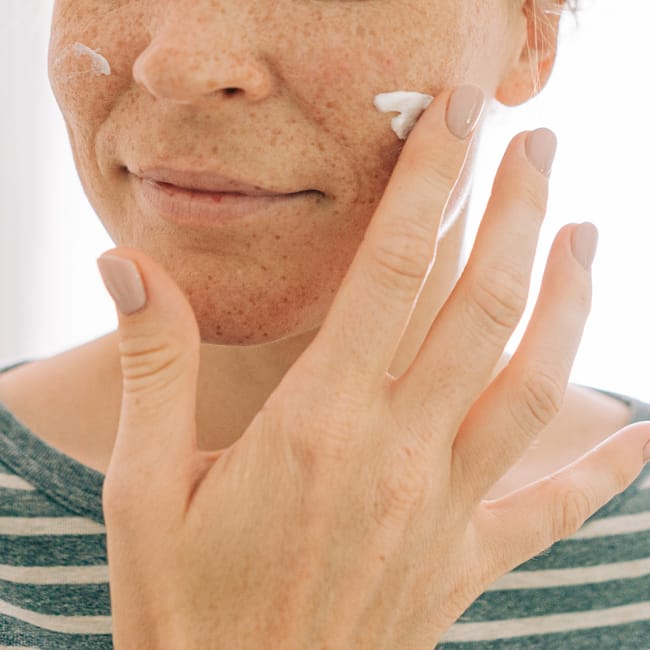
1. Retinoids (The Gold Standard) Retinols increase collagen production, thicken the skin, and improve texture—but they must be used carefully around the eyes.
Her tips:
- Keep retinol only on the bony orbital rim
- Never apply it to the upper eyelid
- Buffer with a moisturizer or ointment
- Use only a tiny amount
She names retinol eye creams from Kate Somerville, No7, RoC, and The Inkey List as effective options at multiple price points.
2. Argireline (The “Botox in a Bottle” Peptide) This peptide temporarily limits muscle movement to smooth fine lines—but only while you’re using it. Dr. Idriss recommends applying it morning and night, especially before makeup.
3. Matrixyl 3000 A peptide complex that has been studied extensively, Matrixyl signals fibroblasts to produce new collagen, increases hyaluronic acid, reduces inflammation, and improves elasticity.
4. Estriol Cream (For Perimenopausal Dryness) Rarely discussed in beauty circles, estriol—a gentle estrogen cream—may help improve hydration and elasticity for those in their late 30s to 50s. Dr. Idriss notes this must be compounded through a physician and used with medical guidance.

In-Office Treatments That Actually Work
Dr. Idriss emphasizes there is no single miracle fix—only a multimodal approach over time.
1. Botox (Used Very Sparingly) She prefers extremely diluted, “hyper-dilute” Botox around the crow’s feet to soften lines without freezing expression or flattening the cheeks. Effects last 4–6 weeks.
2. Injectable Skin Boosters and Collagen Stimulants Instead of traditional fillers, she opts for:
- Skin boosters (like Skinvive) to tighten superficial skin
- Hyper-diluted Sculptra to build deeper structural support
3. PRP/PRF (Your Own Blood as Skin Fertilizer) Great for those who respond well to regenerative treatments, PRP or PRF can improve texture, density, and fine lines—especially when paired with microneedling or radiofrequency.
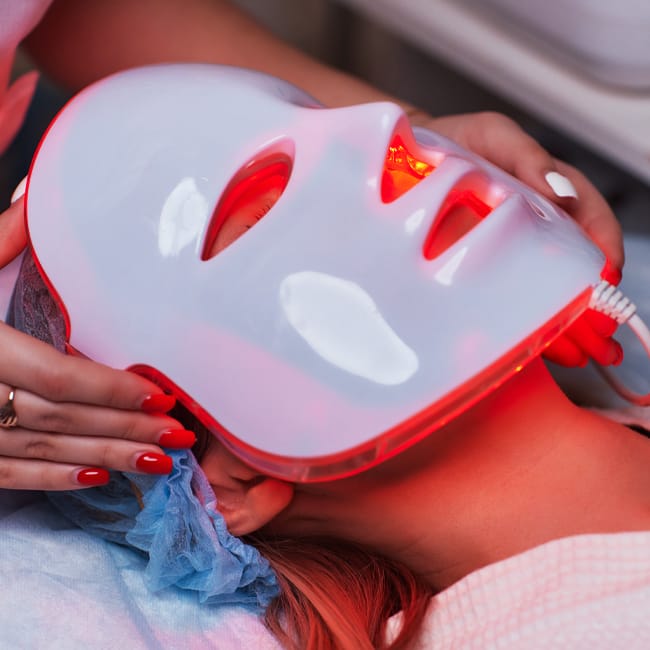
4. Resurfacing Lasers CO₂ and Fraxel can help but work best when part of a broader plan that also addresses volume loss and muscle movement.
The Bottom Line
There’s no one-step cure for crow’s feet—but understanding the real causes helps you choose smarter treatments. As Dr. Idriss puts it: “Treat the under-eyes with a long-term plan, not a quick fix.” Whether you’re ready for peptides, prescription retinoids, or in-office treatments, the key is consistency, moderation, and an approach that fits your lifestyle—not someone else’s highlight reel.