

Summer is here, and it’s the perfect time to upgrade your spreads! Whether you’re slathering it on toast, dipping veggies, or topping off a sandwich, the right spread can make all the difference. But not all spreads are created equal—some are packed with healthy fats and protein that help keep you full and satisfied, while others are loaded with sugars and empty calories that can slow down your weight loss goals. So, let’s dive into which spreads to spread on thick and which ones to skip this summer!
We checked in with several health experts to discover the best and worst spreads for weight loss, and according to them, dips like almond butter and hummus are surprisingly great for fat loss, while margarine and high-fat mayo should be minimized. Read on to get all their insights.

Struggling With Sleep? This Rechargeable Sound Machine Is A Total Game-Changer
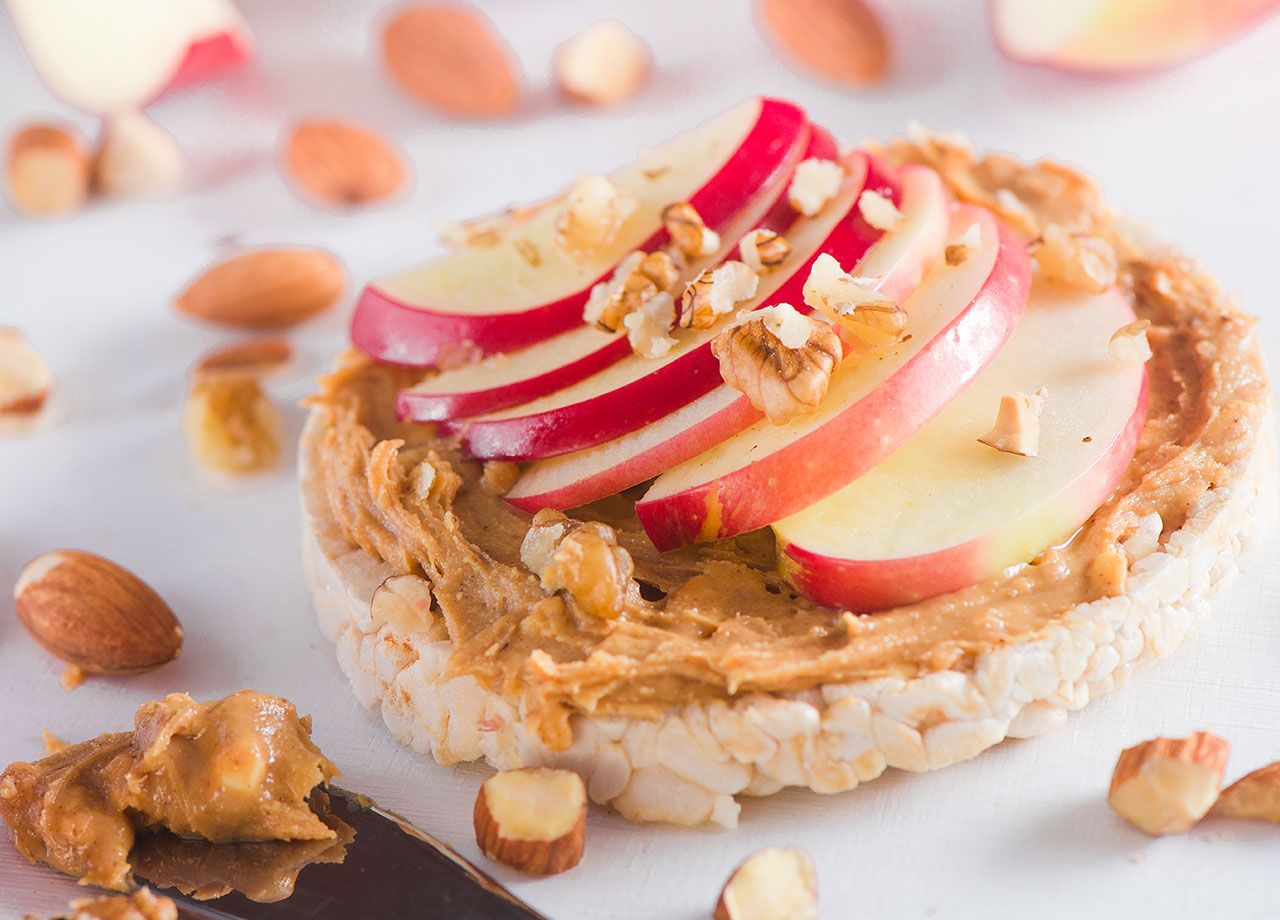
Best: Almond Butter
Almond butter is rich in monounsaturated fats, which help reduce belly fat and support heart health. These fats also help keep you full longer, reducing the urge to snack.
Protein is key for building lean muscle and boosting metabolism. Almond butter contains more protein than many other nut butters.
In an article for Signos, Sarah Bullard, MS, RD, LD, wrote that almond butter is "packed with heart-healthy fats, plant-based protein, fiber, and vital vitamins and minerals like vitamin E and magnesium."
"Almond butter supports heart health, blood sugar stability, weight management, and brain function," she added.
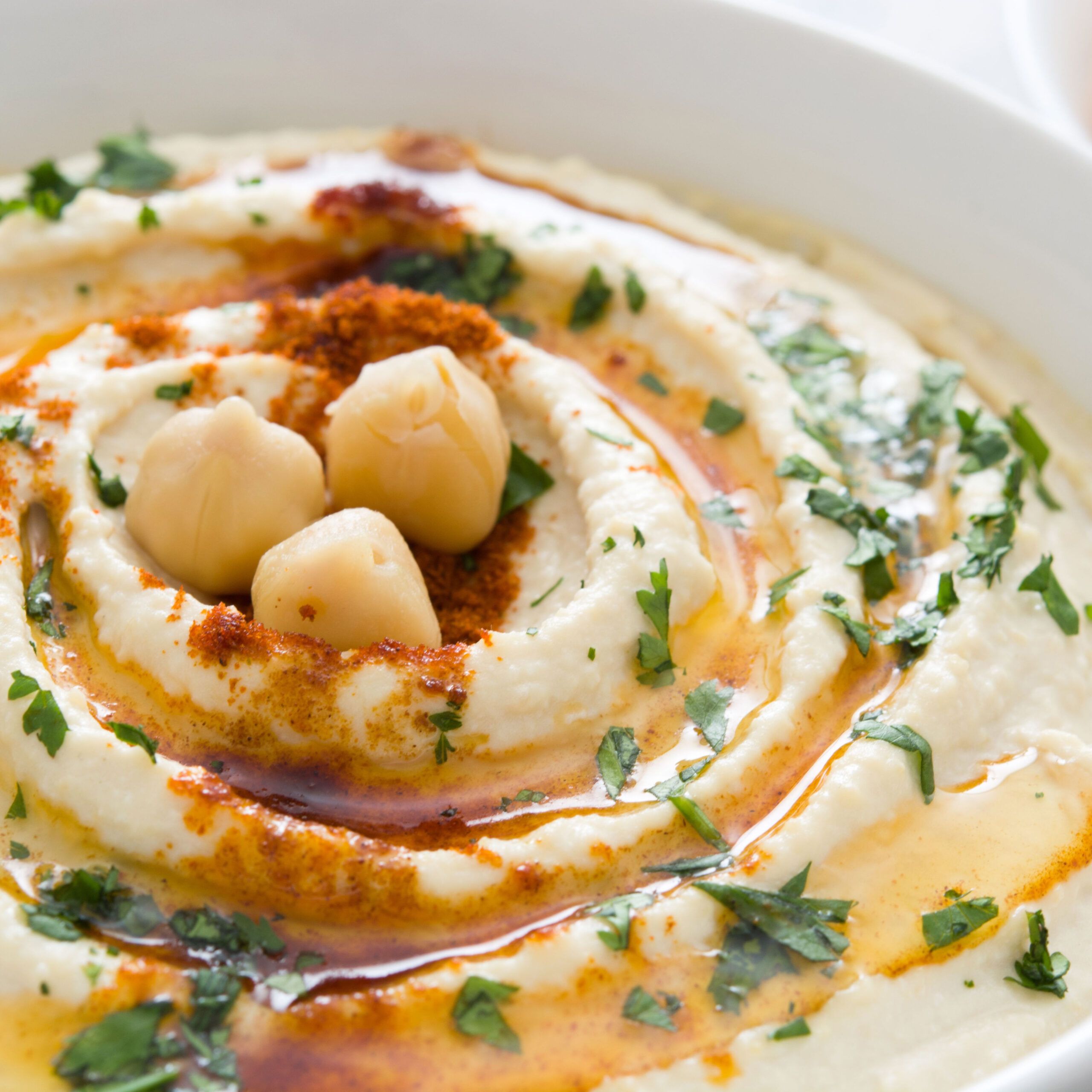
Best: Hummus
Need a healthy dip for your veggies? Hummus is a great pick, says Lisa Richards, creator of The Candida Diet. This Mediterranean favorite—made from chickpeas, tahini, and optional add-ins for variety—is not just delicious; it’s also loaded with fiber and protein. That makes it a satisfying snack that can help support your weight loss goals. Whether you grab it from the store or whip it up at home, hummus is super versatile: use it as a dip, spread it on sandwiches, or mix it into salads for an extra boost of plant-based protein.
Worst: Margarine and Vegetable Oils
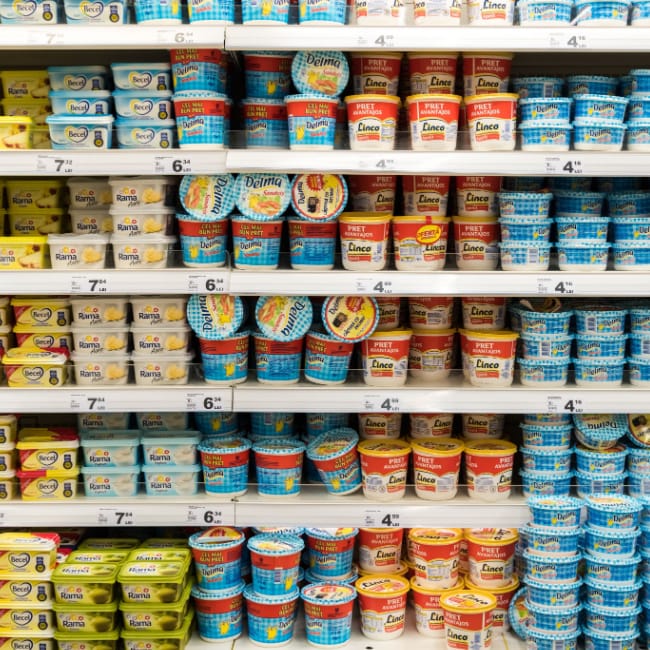
Margarine used to be considered a healthier swap for butter, but experts now say that might not be the case. In fact, it carries its own health risks—like contributing to weight gain. Sabat notes that, over time, margarine (especially when made with certain vegetable oils) can potentially lead to clogged arteries and heart problems.
"While they are often marketed as healthier alternatives to butter, certain margarines and vegetable oils contain high levels of trans fats," she warns. "Trans fats are particularly harmful as they raise bad LDL cholesterol levels and lower good HDL cholesterol levels, increasing the risk of arterial plaque formation." Yikes! You're better off sticking to organic, grass-fed butter (the real deal, that is).

Worst: High-Fat Mayonnaise
High-fat mayonnaise contains a significant amount of saturated fats and calories, which can contribute to weight gain and inflammation in the body. Saturated fats are known to increase levels of LDL cholesterol, and some commercial mayonnaise products may contain added sugars and unhealthy additives, further exacerbating inflammation and bloating.
According to Richards, the traditional egg-based form of this condiment should not be perceived as healthy. Richards highlights that even in healthier varieties, the saturated fat content and emulsifiers utilized can potentially harm various organs, particularly the liver.
"As the liver works to filter the excess fat and toxins we ingest, it can become weighed down and under stress by high-fat condiments like mayonnaise," she adds. Instead of mayonnaise, Richards notes that "it is best to go without this condiment or choose a healthier alternative, like whole fresh avocados." This option is more easily processed by the body, and the "fat found in them will be more readily digested and used as fuel."