




Gut health is all the rage in the wellness world these days—and for good reason. A healthy gut doesn’t just equal healthy digestion. Your gut microbiome plays a role in practically every area of your wellness, from immunity to mood. And when it comes to keeping your gut in great shape, a balanced diet is crucial. Vegetables should play a central role in your meals. But it’s important to remember not all vegetables are equal in their benefits. Each can have a different effect on everyone’s digestive system.
We asked registered dietitian Trista Best to help us rank the most gut-friendly vegetables—and the ones that may cause digestive distress. From prebiotic-packed leeks to surprising FODMAP offenders like mushrooms, here’s what she says to eat (or avoid) for better gut health.

Struggling With Sleep? This Rechargeable Sound Machine Is A Total Game-Changer

The Best Vegetables for Gut Health
We all know that vegetables are an essential component of any balanced meal—but when it comes to keeping your gut in great shape, Best recommends prioritizing the following.

1. Leafy Greens
Don't forget to eat those greens! Your gut will thank you. "Leafy greens are high in fiber, magnesium, and polyphenols," says Best. All of this contributes to the growth of good gut bacteria. Fiber, in particular, is great for digestion. Meanwhile, polyphenols work to reduce inflammation in your gut lining. Wins all around!

2. Asparagus, Artichokes, and Leeks
As far as feeding your gut's good bacteria goes, it doesn't get much better than these superstars. "They’re rich in prebiotics (like inulin) that fuel healthy gut bacteria," Best explains, "and especially good for microbiome diversity." Inulin is a type of fermentable fiber that essentially acts like fertilizer for probiotics. It helps grow more of the bacteria that supports digestion, reduces inflammation, and keeps your gut happy overall.

3. Tomatoes
According to Best, tomatoes are a good choice for sensitive stomachs. "Tomatoes contain lycopene (an antioxidant) and are easy to digest when cooked," says Best. When tomatoes are cooked, they also help enhance the absorption of an anti-inflammatory compound called lycopene. Plus, Best says, this ingredient is "mild and low-FODMAP (especially when peeled and de-seeded)." Not to mention delicious!

4. Avocados
Who doesn't love avocado? This healthy fat is as good for your body as it is for your tastebuds. "They’re high in fiber and healthy monounsaturated fats," says Best, which "support gut lining and overall digestive comfort." The fat in avocados also helps your body absorb fat-soluble vitamins. However, Best warns, "Avocados may cause bloating if eaten in excess due to sorbitol (a FODMAP)." Good to know!

5. Carrots and Zucchini
Carrots and zucchini are versatile, delicious, and great for your gut. According to Best, they're "easy on the stomach, especially when cooked" thanks to soluble fiber. This gentle fiber is easier to digest, especially for people who struggle with GI issues. Add these gamechangers to soups, stews, and stir-fries!

The Worst Vegetables for Gut Health
It's important to remember that everyone's body processes foods differently—so the worst vegetables for your personal gut health will depend on your sensitivities. However, Best warns against these common offenders:
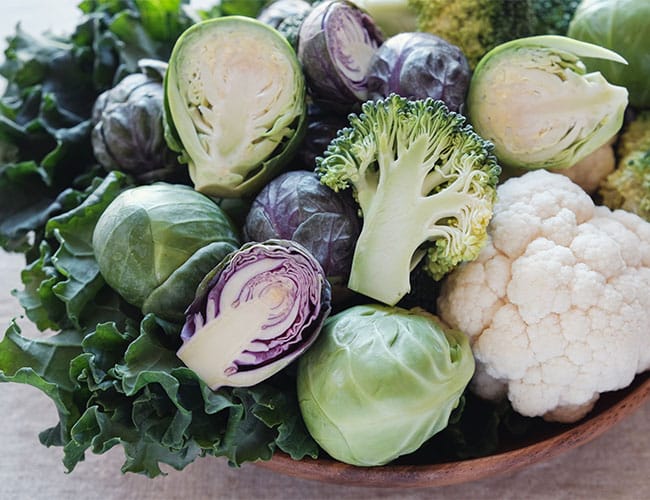
1. Cruciferous Vegetables
Cauliflower, broccoli, cabbage, and brussels sprouts are all major culprits when it comes to digestive issues for many individuals. They have their benefits, but they may be difficult for some people to process. "These are great long-term for gut health due to fiber and sulfur compounds," says Best. "But [they’re] high in FODMAPs, leading to gas and bloating for many." FODMAPs (fermentable oligosaccharides, disaccharides, monosaccharides, and polyols) can ferment in the gut and cause symptoms in people with IBS. Best suggests cooking them for minimal harm: "Cooking helps break down troublesome fibers."
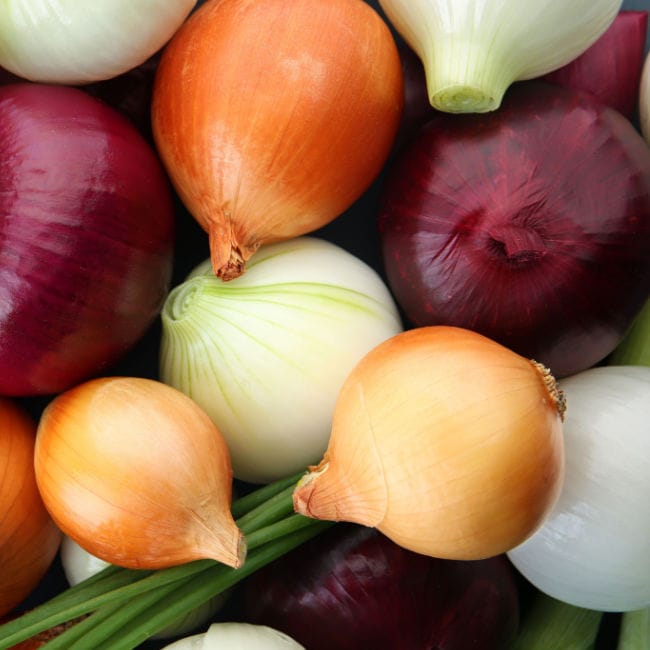
2. Onions and Garlic
These high-FODMAP foods may be some of the most commonly used ingredients around, but they could be a nightmare for your gut if you have a sensitive digestive system. "They’re very high in fermentable FODMAPs," says Best, noting that they can "trigger symptoms in sensitive individuals, even in small amounts." Say it ain't so!
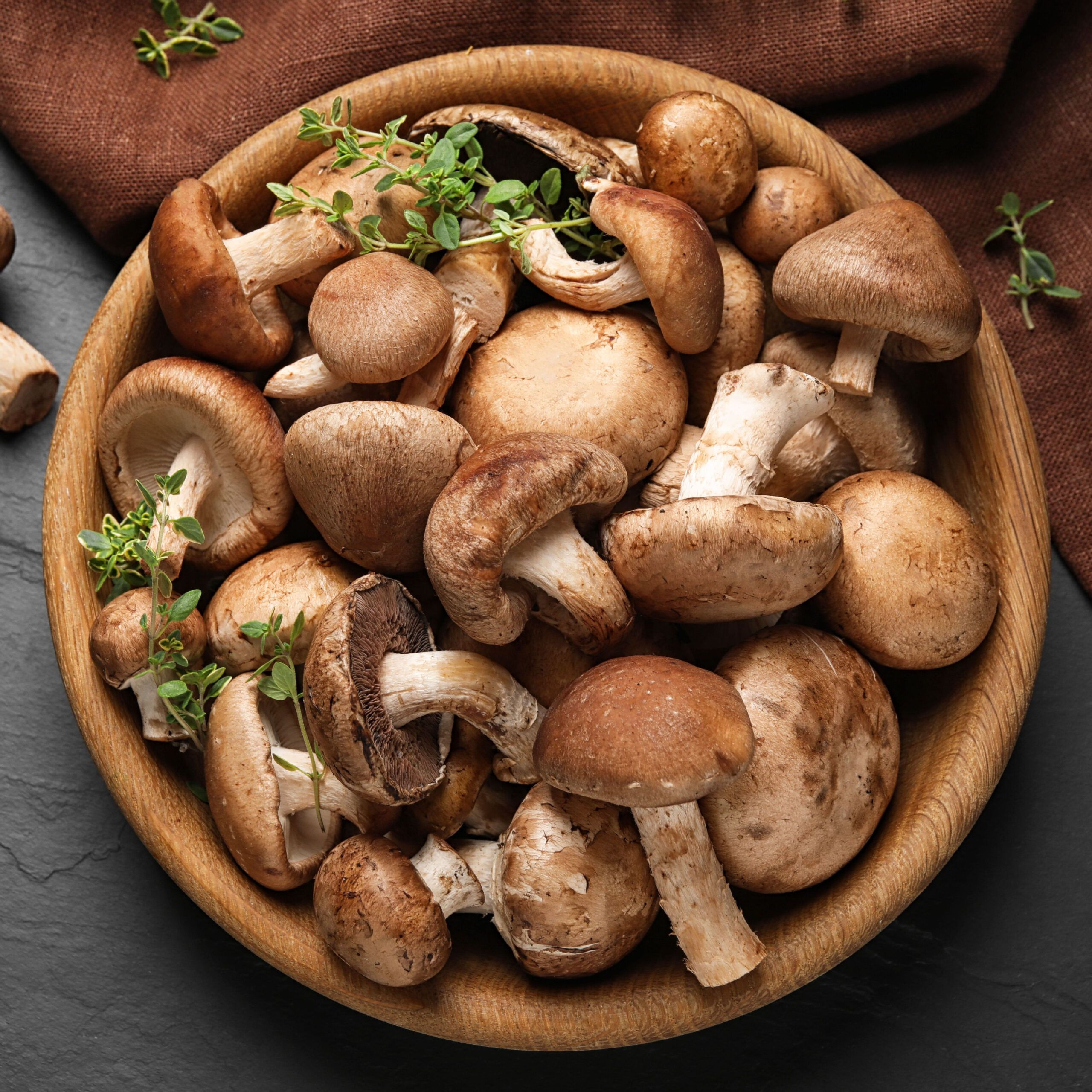
3. Mushrooms
We love mushrooms—but not everyone's gut loves them. Unfortunately, these fungi can cause digestive discomfort in certain individuals. "They contain polyols, another FODMAP group," Best notes, "and can cause bloating in some people." Polyols are sugar alcohols that can pull water into the gut and ferment, resulting in digestive discomfort. Consider cutting this ingredient out to see if it makes a difference in your gut issues.

Bottom Line
Ultimately, it's important to remember that foods impact everyone's body differently. The best way to get down to the bottom of your digestive issues is to pay attention to what you eat and how it makes you feel. And when in doubt, talk to your doctor! If you're struggling with digestive issues, a low-FODMAP diet may be worth a shot—but no solution is one-size-fits-all.