


Melania Trump speaking at the United Nations.
Low-maintenance haircuts for women over 40 with fine hair.
Smith family at Bad Boys movie premiere event.

Health

Doctors Say These Common Dinner Mistakes Could Be Causing Your Painful Morning Bloat

July 6, 2022 by Marissa Matozzo
shefinds | Health
Featured image

There’s no denying that morning bloat is painful, but health experts stress that it is preventable. The key, they tell us, is to not make 2 common (and critical mistakes) around dinnertime the evening before. We checked in with doctors and other nutrition and health experts to learn more about healthy habits for a more comfortable morning (without any bloating). Read on for tips and suggestions from Dr. Virginia Blackwell, M.D., health expert at Eve Mag, Dr. Catherine Toomer, M.D., weight loss, health and wellness expert.

 

house unit img
Women Are Swapping Their Boring Water For This Ice Pop Electrolyte Mix!
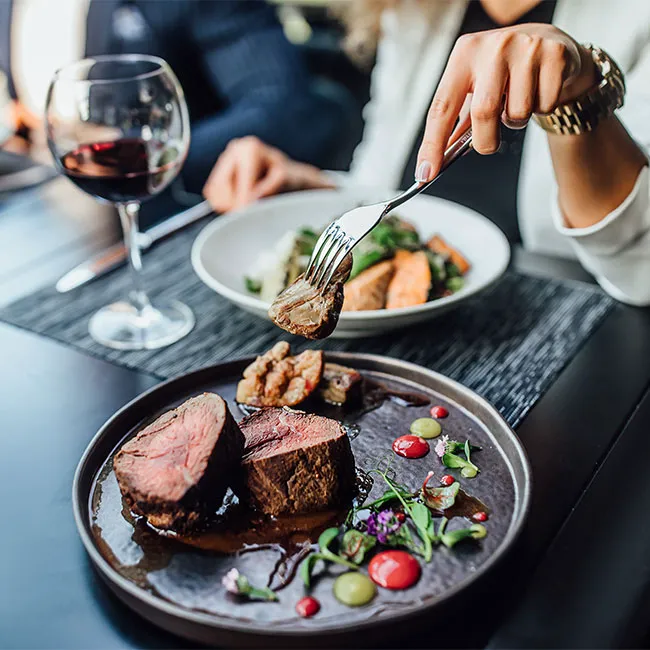
Delicious steak dinner served on a rustic wooden table.

1. Eating Rich and/or Fatty Foods

If you're used to eating a large meal at dinnertime and want to feel satiated afterwards, choosing a rich or fatty food may seem like a good choice to stay full for longer, but Blackwell warns that this could cause bloating later on. "Fatty foods may make you feel bloated simply because fats stay for a longer time to be digested in the stomach," she explains.


These foods, she says, include "both healthy fats such as avocado, nuts, and seeds and processed foods such as chips and pastries." To avoid bloating from fatty foods, Blackwell recommends to "alternatively eat foods like oatmeal and fermented foods" or to take "little amounts of these fatty foods to help relieve bloating."


As a rule of thumb when prepping meals with the goal of preventing bloating in mind, Toomer suggests first determining if there is "a connection to food or beverages" and your morning bloat. "Keep a food and symptom diary so see if a pattern emerges," she advises, then suggests "eliminating the food connected to the symptoms and see if it goes away."


Along with rich and fatty foods that Blackwell described, Toomer says the most "common culprits of bloating are dairy, carbonated beverages, and sugar-free chewing gum." If your symptoms persist in spite of food elimination, she ten says to "seek medical attention since these symptoms can be associated with more serious conditions, such as heart disease."

 

Refreshing glass of water on a bright sunny day.

2. Not Drinking Enough Water

Even if you've heard it before, doctors insist it's still worth repeating: drinking enough water is imperative for healthy digestion. A lack of enough water in the body may lead to dehydration, causing "constipation, which may later end up leading to bloating," Blackwell says.


This, she notes, is why she recommends "staying de-bloated by regularly drinking enough water, which may prevent fluid retention caused by dehydration and constipation."

Toomer agrees, and says that "drinking water then eating a protein-packed meal" can combat fatigue and control blood sugar, as opposed to inciting bloating.


Additionally, Toomer adds that "muscle toning exercises and stretching" can help prevent bloating, as well as "physical improvement and stress reduction."


Author:

Former Senior Staff Writer

Marissa is a Brooklyn-based journalist and former senior staff writer at SheFinds, specializing in pop culture, entertainment, and lifestyle topics. She crafted engaging, SEO-driven content on celebrity style, entertainment news, beauty trends, and wellness. Her work, including red carpet coverage and features on fashion, music, film, and NYC culture, has appeared in PAPER Magazine, Paste Magazine, The Knockturnal, Bandsintown, and more. When not writing, you can find her with her nose in a great book, at an indie concert, vintage shopping or visiting the best coffeeshops in NYC.

Middle-aged woman enjoying a glass of wine.
Woman applying sunscreen for sun protection.
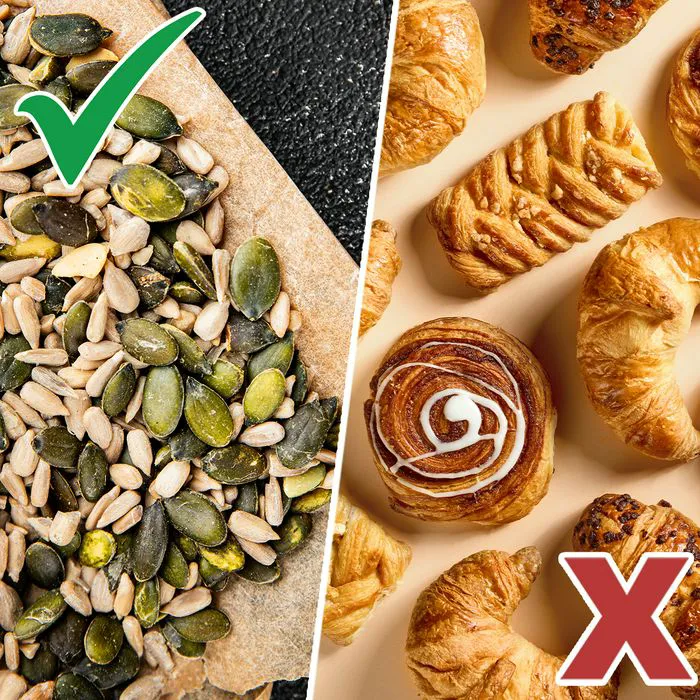
Healthy seeds displayed, not pastries.
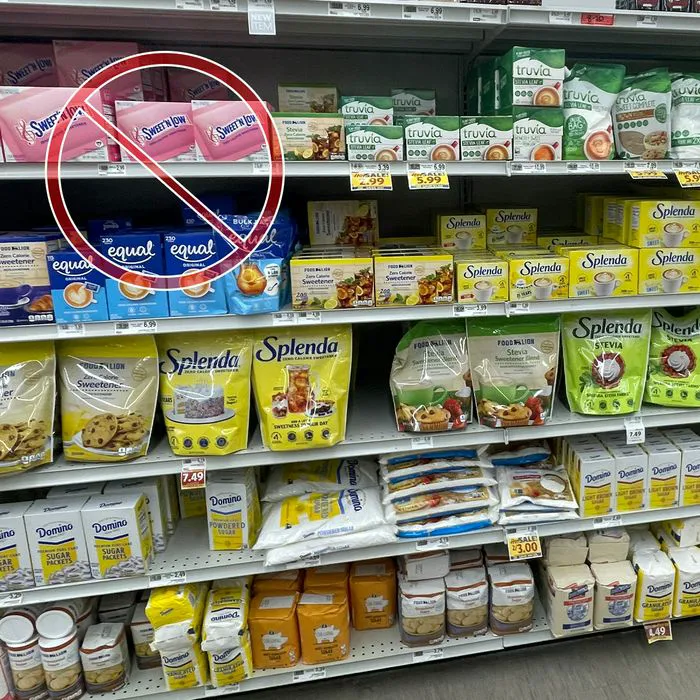
Grocery store aisle with sugar and sweeteners.
Person having a lunch meal.
Sipping spearmint tea in a cozy setting.
Frustrated older woman touching her head in distress
Woman experiencing chest pain, seeking medical attention
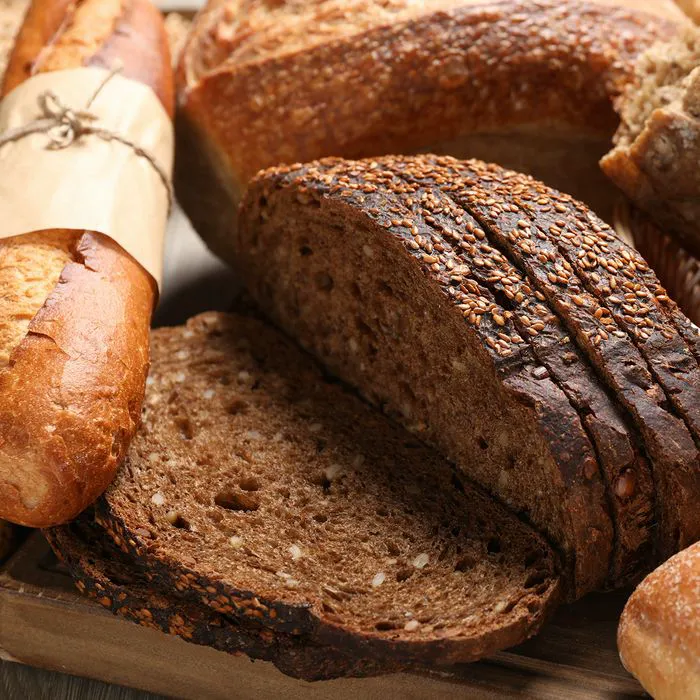
Variety of bread types showcased on a table.
Woman holding her head, expressing stress.
Woman experiencing joint pain while sitting.
Variety of fast food from Dunkin', Chick-fil-A, Starbucks.
Woman adding sugar to a steaming cup of coffee.
Tasty bagels with blueberries and butter on a wooden board.
Pouring vitamin D into palm for healthy skin benefits.
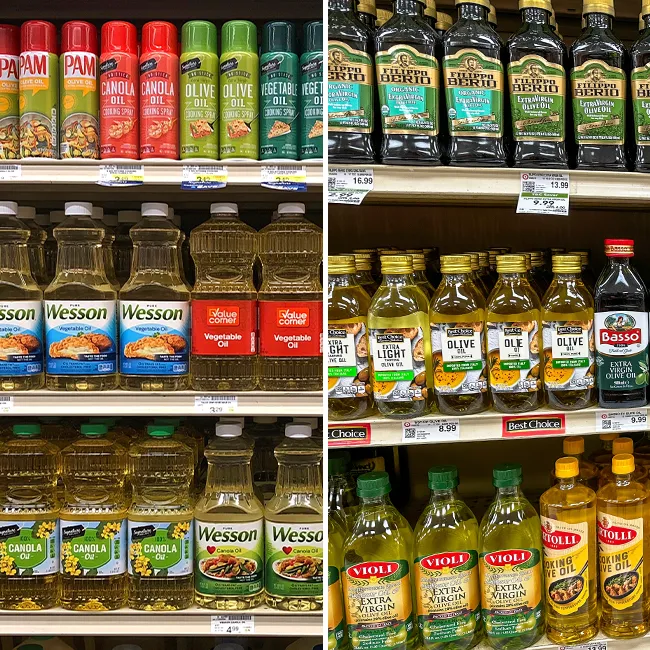
Comparison of cooking spray and olive oil for healthy cooking.
Older woman taking dietary supplements with water.
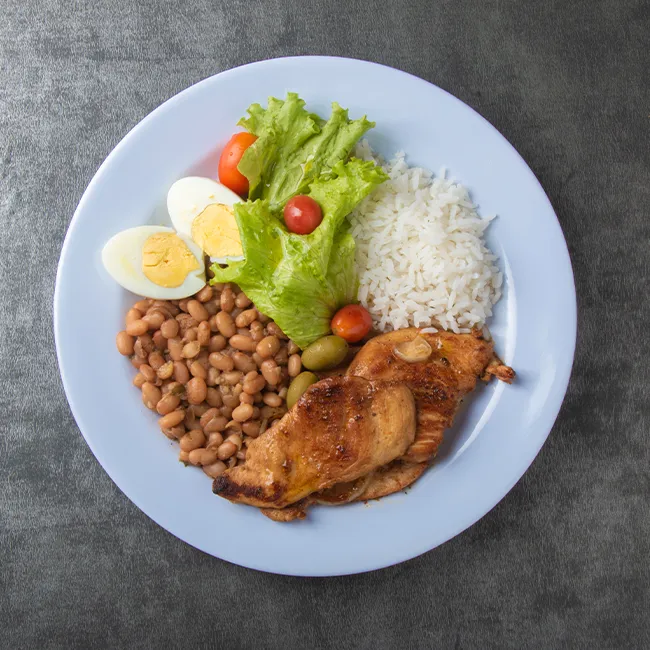
Brazilian dish featuring rice, beans, and chicken from above.
Handful of assorted dietary supplements in palm.
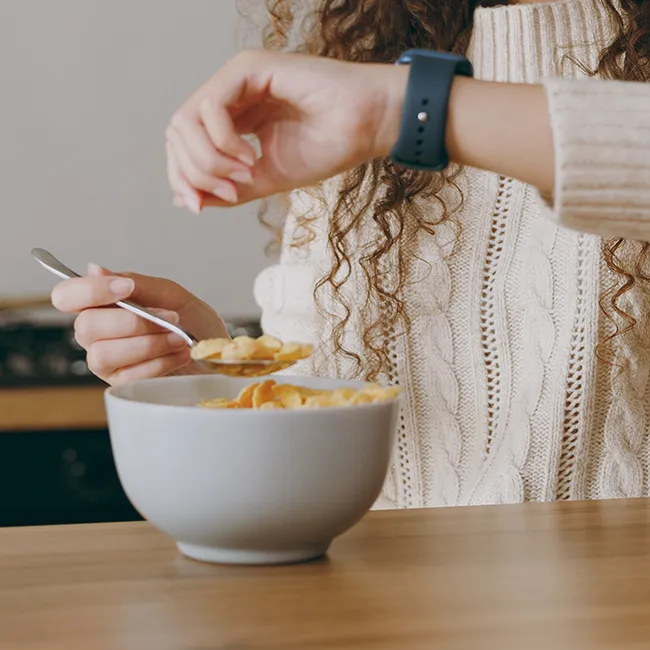
Close-up of watch as someone eats breakfast.
Middle-aged woman enjoying a glass of wine.
Woman applying sunscreen for sun protection.
Healthy seeds displayed, not pastries.
Grocery store aisle with sugar and sweeteners.
Person having a lunch meal.
Sipping spearmint tea in a cozy setting.
Frustrated older woman touching her head in distress
Woman experiencing chest pain, seeking medical attention
Variety of bread types showcased on a table.
Woman holding her head, expressing stress.
Woman experiencing joint pain while sitting.
Variety of fast food from Dunkin', Chick-fil-A, Starbucks.
Woman adding sugar to a steaming cup of coffee.
Tasty bagels with blueberries and butter on a wooden board.
Pouring vitamin D into palm for healthy skin benefits.
Comparison of cooking spray and olive oil for healthy cooking.
Older woman taking dietary supplements with water.
Brazilian dish featuring rice, beans, and chicken from above.
Handful of assorted dietary supplements in palm.
Close-up of watch as someone eats breakfast.