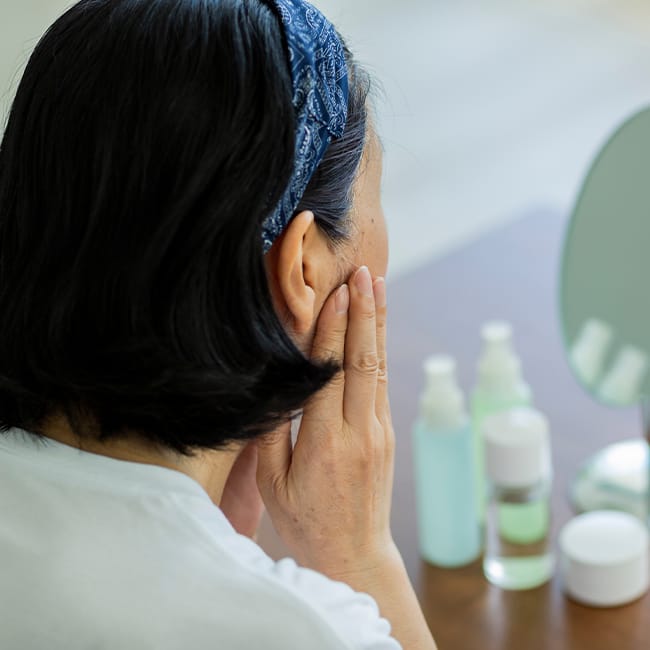




If your skin still feels tight, flaky, or dry despite religiously applying moisturizer, you’re not alone. According to dermatologist Dr. Munir Somji, the problem isn’t just about slathering on cream—it’s about how your skin absorbs moisture and whether your routine is truly supporting hydration at every level.

Struggling With Sleep? This Rechargeable Sound Machine Is A Total Game-Changer

1. Your Skin Barrier Might Be Impaired
“The skin barrier is what actually absorbs ingredients within the skin,” Dr. Somji explains. When it’s compromised, all the hyaluronic acid and emollients in your moisturizer may sit on the surface, leaving patchy areas of dryness. To repair your barrier, he recommends using ceramides at night, avoiding over-exfoliation, limiting acids, and skipping strong retinoids until your skin recovers. A healthy barrier ensures your skin can properly absorb moisture and maintain long-lasting hydration.

2. You Might Be Using the Wrong Ingredients
Hyaluronic acid is often hailed as a hydration hero—but not all hyaluronic acids work the same. “If you’re only using low molecular weight or high molecular weight hyaluronic acid, you’re only getting hydration at one level of the skin,” Dr. Somji says. Instead, look for multi molecular weight hyaluronic acid, which targets multiple layers of the skin for a deeper, more effective boost of moisture.

3. Hyaluronic Acid Alone Isn’t Enough
Hyaluronic acid draws water into the skin, but without something to lock it in, that hydration can evaporate. Most moisturizers are water-based and need occlusive ingredients like glycerin or cetyl alcohol to help trap moisture. Dr. Somji stresses layering products correctly: a serum with multi molecular weight hyaluronic acids, followed by a cream with emollients, creates a “double moisture lock” that keeps skin hydrated longer.

4. Timing Matters—Especially at Night
Evening routines are crucial for moisture retention. Dr. Somji recommends using a thicker emollient cream over a finer serum in the evening to give your skin extended hydration while you sleep. His personal routine? A serum topped with his Night Recovery Cream, sometimes even during the day, to maximize moisture levels.
Hydration isn’t just about using a product—it’s about understanding how your skin barrier works, selecting the right ingredients, and layering them for maximum effect. According to Dr. Somji, when done correctly, even the driest skin can feel supple, smooth, and comfortable.
So next time your moisturizer isn’t cutting it, check the label, repair your barrier, and consider layering products strategically. Your skin—and your reflection in the mirror—will thank you.