


As the new year approaches, many people are looking for simple ways to improve their heart health. Doctors say one of the most effective steps you can take is rethinking what’s on your plate. Clogged arteries develop over time due to inflammation, excess cholesterol, and poor dietary habits—but making smart food swaps can help reduce your risk.
Instead of drastic diets, health professionals recommend focusing on everyday substitutions that support healthier blood flow and cholesterol levels. Here are eight doctor-recommended food swaps to help protect your arteries in the new year.

Struggling With Sleep? This Rechargeable Sound Machine Is A Total Game-Changer

1. Swap Butter for Olive Oil
Butter is high in saturated fat, which can contribute to plaque buildup in the arteries. Olive oil contains healthier fats that support better cholesterol balance and reduce inflammation.
Johanna Angman, a registered dietitian and nutritionist notes, "Extra virgin olive oil is packed with antioxidants and monounsaturated fats, which help reduce inflammation and improve cholesterol levels. It’s a staple in the heart-healthy Mediterranean diet."

2. Swap White Bread for Whole Grains
Refined grains break down quickly into sugar, which can damage blood vessels over time. Whole grains like oats, brown rice, and whole-wheat bread provide fiber that helps lower cholesterol and improve heart health.
Nutritionist Mackenzie Burgess offers advice for ensuring the bread you buy is whole grain: "Simply turn over to the ingredient label and ensure the first ingredient listed contains the word 'whole,'" she instructs. "You can also look for the 100% whole grain stamp from the Whole Grain Council."

3. Swap Processed Meats for Fatty Fish
Deli meats and bacon are often high in sodium and unhealthy fats. Fatty fish such as salmon, sardines, and mackerel contain omega-3 fatty acids that support healthier arteries.
"These essential fats decrease inflammation and also reduce the level of triglycerides, which are key factors that could improve artery walls," Monelle Burrus, FNP from Verve Health tells us.

4. Swap Fried Foods for Baked or Air-Fried Options
Fried foods contain trans fats and oxidized oils that can increase inflammation. Baking or air-frying foods reduces unhealthy fat intake while still keeping meals satisfying.

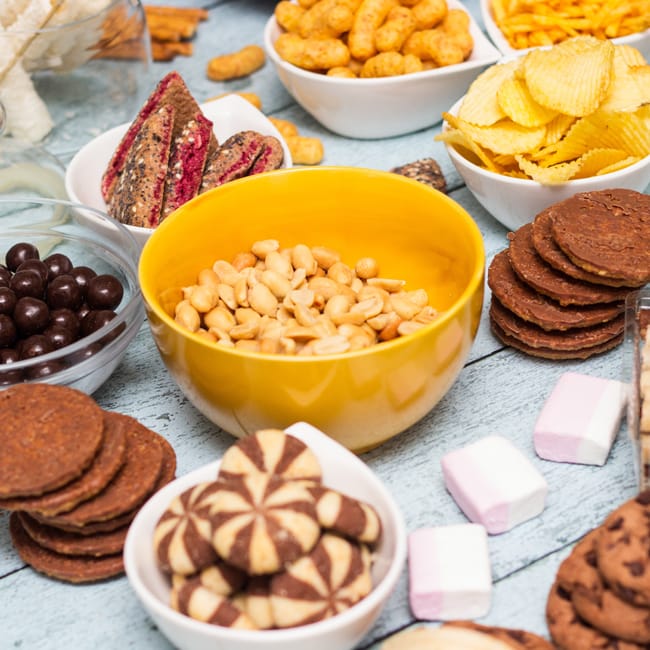
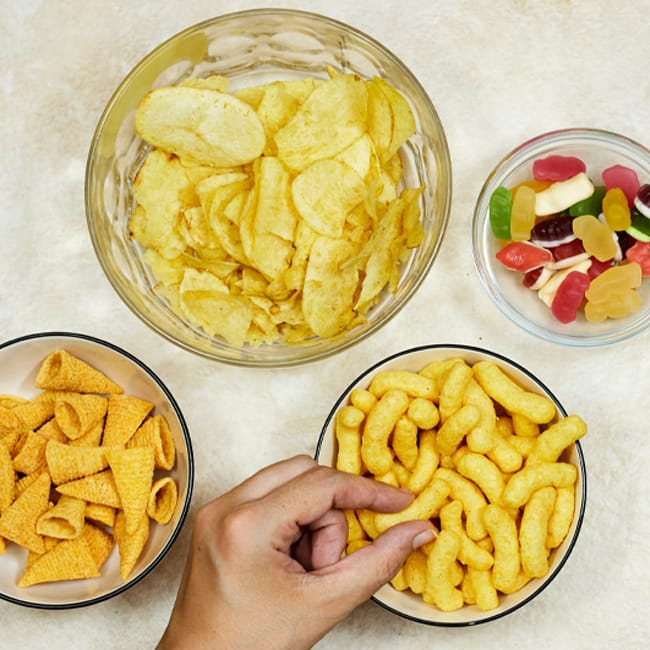
5. Swap Sugary Snacks for Nuts and Seeds
Excess sugar can contribute to insulin resistance and arterial damage. Nuts and seeds offer healthy fats, fiber, and antioxidants that support cardiovascular health.
Dr. Christopher Van Nguyen, cardiologist, specifically calls out sunflower seeds. These are packed with vitamin E, a potent antioxidant that protects the arteries from oxidative damage. "Vitamin E helps prevent the oxidation of LDL cholesterol, a key factor in the formation of arterial plaque," says Dr. Van Nguyen. Including 1 ounce of sunflower seeds in your daily diet can contribute to better cardiovascular health.

6. Swap Full-Fat Dairy for Low-Fat or Plant-Based Alternatives
High intake of saturated fat from full-fat dairy can raise LDL cholesterol. Choosing low-fat or plant-based options may help support better heart health.

7. Swap Sugary Drinks for Water or Unsweetened Tea
Sugary beverages can increase inflammation and triglyceride levels. Water and unsweetened teas help support circulation without added sugars.

8. Swap Salt-Heavy Foods for Herbs and Spices
Too much sodium can increase blood pressure, putting strain on the arteries. Using herbs and spices adds flavor while supporting healthier blood pressure levels.
Experts emphasize that consistency matters more than perfection. Making small, sustainable swaps over time can significantly improve heart health and reduce the risk of clogged arteries—making the new year a strong start for your cardiovascular system.