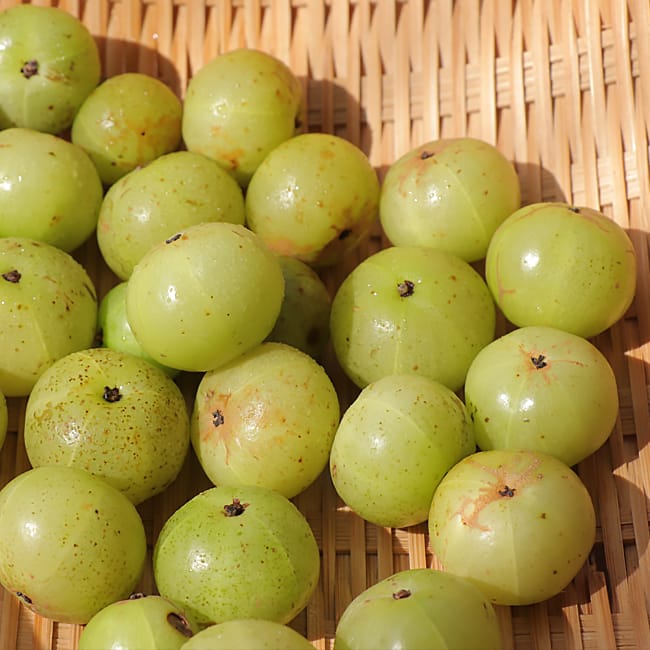


While healthy foods are essential for maintaining overall wellness, some of them may contain elevated levels of heavy metals, which can have negative effects on your health when consumed in excess. Heavy metals like mercury, arsenic, and cadmium can accumulate in the body over time, potentially leading to toxic buildup. Surprisingly, some foods that are considered “healthy” can sometimes contain higher levels of these harmful substances.
We checked in with several health experts to discover 12 foods that could contain high levels of heavy metals. According to them, tuna, protein powder, and seaweed are some of the top culprits.
Before we dive into the details of how these foods contain metals, Catherine Gervacio, RND, a registered nutritionist, and diet consultant for WOWMD, reminds us that “small amounts of these metals won’t harm you right away, but over time, they can cause digestive issues, weak bones, or even an increased risk of certain cancers.” Claudia Cometa, PharmD, Executive Healthcare Consultant, adds that these metals can have consequences on your overall health, especially cognitive health. “Heavy metal toxicities can result in neurological symptoms, such as burning and tingling sensations, as well as gastrointestinal symptoms, such as nausea and vomiting. More severe cases may involve cognitive dysfunction and brain fog as well as impacts on the kidneys.”

Struggling With Sleep? This Rechargeable Sound Machine Is A Total Game-Changer

1. Protein powders
“A recent study of protein powders showed unsafe levels of lead as well as other heavy metals (with plant-based powders containing more than their whey-based counterparts),” says Cometa.
Gervacio says there are several different brands that have been known to contain “lead, arsenic, and cadmium due to contaminated ingredients.”

2. Rice
Cometa says when it comes to rice, there’s “primarily a concern for arsenic with brown rice being more at risk than white.” Arsenic naturally occurs in the environment, but its levels can be higher in certain areas.

3. Spinach
Spinach, like many leafy greens, can contain heavy metals, particularly lead, cadmium, and arsenic, due to the way it's cultivated. These metals can be absorbed by the plant through the soil or water used for irrigation.

4. Lettuce
Another leafy green Cometa warns about is lettuce. If the soil is polluted with heavy metals, either from industrial activities, previous use of contaminated fertilizers, or nearby sources of pollution, lettuce plants can take up these metals through their roots.

5. Yellowtail
Yellowtail, being a predatory fish, is at a higher risk for accumulating mercury in its tissues. Cometa adds, “Yellowtail [are] higher on the list of mercury exposure.”

6. Swordfish
Swordfish, just like yellowtail, is a predatory fish that can contain heavy metals, particularly mercury, due to a process called bioaccumulation.

7. Tuna
Although a good source of omega-3, Gervacio warns, “This fish may contain high levels of mercury, especially when harvested from polluted waters.”

8. Mushrooms
Mushrooms grow in soil, and if the soil is contaminated with heavy metals (such as lead, cadmium, or mercury), the mushrooms can absorb these toxins through their roots. Gervacio says, “There are some types of mushrooms that absorb metals from where they've been grown. Examples are porcini, oyster, shiitake, or even the button mushrooms.”

9. Nuts
Nuts can also be exposed to heavy metals through the air or water used for irrigation. “Similar to mushrooms, nuts may contain heavy metals from the soil they are planted in,” Gervacio notes.

10. Dark chocolate
This might be unexpected, but the sourcing process of cocoa beans can lead to increased levels of heavy metals. Cocoa beans can absorb cadmium from the soil, especially in areas with contaminated soil. These metals can be present in the final product.

11. Seaweed
Although seaweed contains antioxidants and beneficial nutrients like iodine, tyrosine, vitamins, and minerals, they can also accumulate heavy metals. These include mercury, arsenic, and cadmium. Depending on the area, it can accumulate heavy metals in the ocean water they’re grown in.

12. Sweet potatoes
Sweet potatoes have been hailed for being a healthier alternative to regular potatoes, but these may also be prone to heavy metal accumulation. While they are generally safe and healthy, it's important to be mindful of the growing conditions and choose organic.