

As we age, what we eat plays a bigger role than we may realize in how youthful—or aged—our skin looks. While a balanced diet rich in antioxidants, healthy fats, and nutrients can promote a glowing complexion and slow visible signs of aging, certain foods can have the opposite effect. From spiking inflammation to breaking down collagen, some everyday dietary choices might be secretly making you look years older. If you’ve been investing in skincare but not paying attention to your plate, it might be time to rethink your eating habits.
Dr. Tarek Pacha recently shared the five foods you should avoid because they could be making you look “at least 10 years older.” According to him, some of the worst options are processed meat, refined carbs, alcohol, and more. Read on to learn more.

Struggling With Sleep? This Rechargeable Sound Machine Is A Total Game-Changer

1. Processed meat
Processed meats often contain nitrates, nitrites, and high levels of sodium, all of which can increase inflammation in the body. Chronic inflammation is a key factor in accelerated aging and skin damage.
Processed meats such as bologna, salami, cheap sausages, and cheap bacon “cause inflammation, oxidative stress, and colon cancer,” he says. However, he makes an important side note and says, “This does not include the red meat that is regeneratively farmed, grass-fed, and grass-finished. This is high-quality meat and good for us.”
He suggests swapping these ultra-processed meats with high-quality, pasture-raised chicken, grass-fed meat, or sticking to SMASH fish (Salmon, Mackerel, Anchovies, Sardines, and Herring). "These are your anti-aging, brain-boosting, inflammation-fighting powerhouses," he says.

2. Alcohol
Alcohol is a diuretic, meaning it pulls water from your body and skin. Dehydrated skin appears dull, dry, and less plump—emphasizing fine lines and wrinkles.
“Alcohol dehydrates the skin and depletes it of important nutrients like vitamin A and vitamin C. It triggers inflammation and oxidative stress, and it also severely disrupts our sleep. All of this together makes us look a lot older," Pacha adds.
He also notes that all the studies once claiming that even one glass of alcohol is "healthy" have now been "debunked."

3. Added sugar
Added sugar may taste sweet, but it’s definitely not sweet to your skin. Reducing your intake can go a long way in keeping your complexion smooth, firm, and youthful. These hidden sugars are usually found in desserts, dressings, and sauces.
“Too much sugar causes glycation. That’s where the glucose sticks to important proteins in the skin, such as elastin and collagen, making our skin stiffer and inelastic, thus making it more prone to wrinkles," Pacha notes. “Artificial sweeteners and sugar substitutes are not much better.”

4. Vegetable oils
Vegetable oils—especially refined ones like soybean, corn, sunflower, and canola oil—can contribute to premature aging in a few sneaky ways. Most refined vegetable oils are high in omega-6 fatty acids. While omega-6s are essential in moderation, too much of them (especially without enough omega-3s to balance them out) can trigger chronic inflammation.
“These oils are high in linoleic acids, which leads to chronic inflammation and oxidative stress," he states. Instead, he wants us to swap them with tallow, ghee, coconut oil, butter, and olive oil.

5. Refined carbs
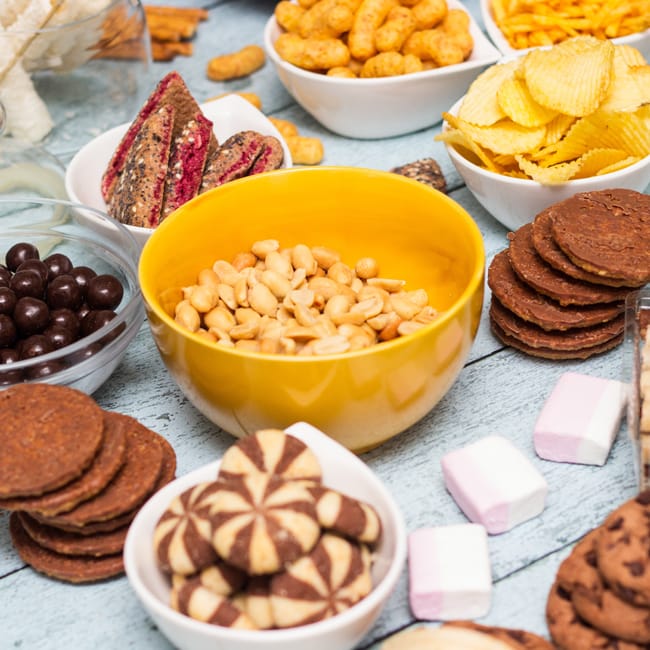
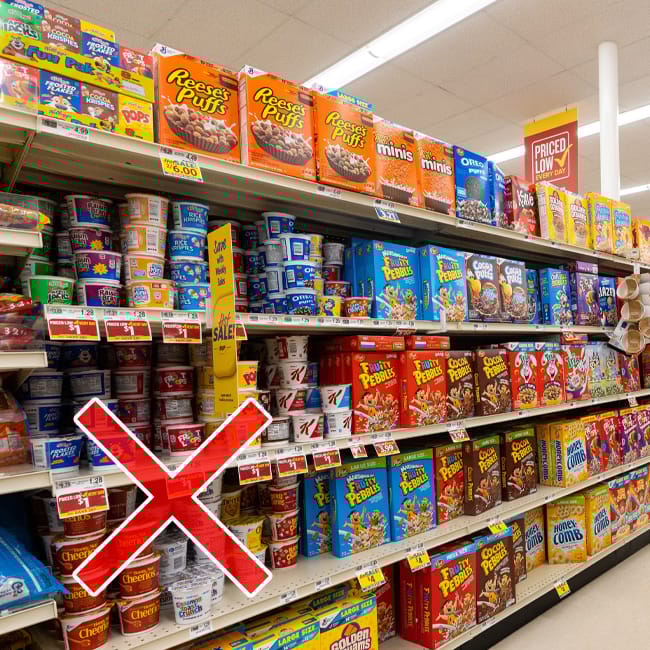
Refined carbs such as white bread, rice, pasta, and sugary cereals can wreck your skin health.
When you eat refined carbs, they quickly break down into sugar in your bloodstream. This sugar can bind to proteins (like collagen and elastin) through a process called glycation. The result? Formation of advanced glycation end products (AGEs)—which damage collagen, reduce skin elasticity, and lead to wrinkles, sagging, and dull skin.