



When it comes to healthy eating, dinner is often one of the hardest meals to prepare. After a long day, it’s hard to resist reaching for something frozen and easy, or even calling your go-to takeout spot. However, when eaten in the evening, certain foods can seriously mess with your sleep and even contribute to weight gain.
What you eat for dinner plays a major role in how well you rest and how your body processes food during the night. We spoke with health experts about eight foods they suggest avoiding at dinnertime whenever possible, and why they can impact your body more than you’d think.

Struggling With Sleep? This Rechargeable Sound Machine Is A Total Game-Changer

Fried & High-Fat Foods
You may want to think twice before reaching for a quick and easy slice of pizza or an order of fried chicken at dinnertime. According to holistic nutritionist Lisa Testa, Chief Nutrition Officer at Raw Generation, foods high in unhealthy fats can "disrupt your digestion."
This category of food items includes fried foods, cold cuts, creamy sauces, cheesy dishes, and more.
"They take a long time to break down in the body and can trigger heartburn or acid reflux when you lie down for bed," she explains.

Soda & Sugar-Sweetened Beverages
While it can be extremely satisfying to crack open a can of soda or enjoy a glass of sweetened iced tea at dinnertime, it can also be a more detrimental choice than you'd think.
Registered dietitian Avery Zenker with MyHealthTeam notes that "frequent intake of sugar-sweetened beverages is associated with increased risk of weight gain and obesity, especially in the abdomen."
They're especially harmful when consumed later in the evening or as you're getting ready for bed, as Zenker says, the "sugar in these beverages is absorbed quickly, which can lead to glucose spikes and crashes, which can impair sleep quality."

Spicy Foods
As tasty as a spicy curry or dish covered in hot sauce may be, Testa warns that these fiery ingredients can wreak havoc on your digestion, especially late at night.
"Foods with hot peppers, strong spices, and hot sauces contribute to digestive unrest, especially heartburn and reflux," she says. That burning sensation in your stomach and throat after dinner can easily interfere with your ability to fall and stay asleep. If you love spicy food, try to consume it earlier in the day!

High Amounts Of Animal Protein & Processed Meats
Who doesn't love a good steak dinner or a few hot dogs at an evening barbecue? While these indulgent, animal protein-based meals can be delicious and fine in moderation, eating high amounts of animal protein or processed meats consistently for dinner is not a good idea for your sleep and weight Testa explains that high amounts of meat at dinnertime "without the proper balance of other macros," can lead to "super long digestion times and disrupted sleep cycles, as it will take many hours to fully break down in the digestive tract."
Zenker also notes that processed meats, like hot dogs, pepperoni, and other deli meats, have "been associated with increased risk of obesity" and are very high in sodium, which can increase blood pressure quickly and disrupt sleep."

Foods High In Added Sugar
Some of the ingredients or products we commonly use to make dinner, like canned soups, salad dressings, and certain condiments like ketchup, can contain higher amounts of added, refined sugars than you may think. Some of these products are marketed as 'healthy,' but when you go over the serving size or consume them frequently at dinnertime, they can make their mark on your body.
"This is where label reading comes into play," explains Testa.
"In addition to obvious sugar sources like soda and other sweetened beverages, many salad dressings, marinades, canned vegetables, soups, breadcrumbs, etc., are full of processed sugars. Obviously, sugar provides unnatural energy and spikes in your blood sugar levels. Having these foods at dinnertime (or sweets after dinner) is not a good idea if you struggle with weight or sleep issues."

Salty Snacks & Ultra-Processed Foods
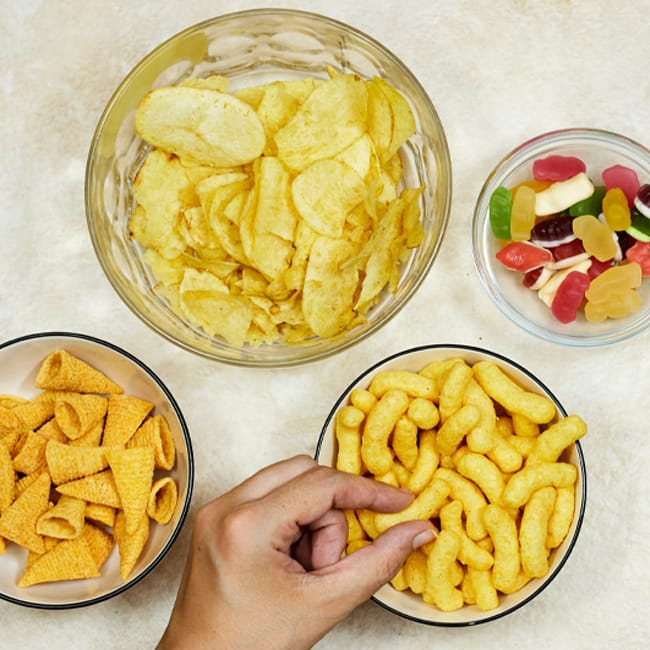
Sometimes, when you're not in the mood to cook, you grab a bunch of random snacks from your pantry and assemble a meal out of them. Some Gen Z folks will recognize this method as "girl dinner," according to a popular TikTok trend. However, frequently eating salty snacks like potato chips and more can not only cause fat gain, but can also wreck your sleep.
"Ultra-processed foods are usually hyper-palatable, energy-dense, and often rapidly consumed, contributing to dysregulated appetite control," says Zenker.
"Ultra-processed foods tend to be high in added sugar, carbohydrates, and fats, while being low in protein and fiber. Diets high in saturated fat and lower in fiber have been associated with lighter sleep, and high intakes of sugar and refined carbohydrates are linked to frequent waking."

Acidic Foods
A satisfying plate of spaghetti and tomato sauce can be incredibly satisfying in the moment, but later, the acid from the tomatoes may come back to bite you. Eating foods high in acid at dinner, like tomato sauce or citrus fruits, can impact those with acid reflux or sensitive stomachs and hurt their sleep at night.
"While this doesn't affect everyone, some people are sensitive to acidic foods like tomato sauce, ketchup, and citrus," notes Testa.
"They can cause heartburn, acid reflux, and indigestion in sensitive individuals, leading to difficulty sleeping."

Alcohol
Although it isn't a food item, one of the most popular times people consume alcohol during the week is while eating dinner or after dinner. We've been learning more and more about the detrimental effects that any amount of alcohol can have on the body over time. Still, if you can't get through a week without the occasional drink, it's recommended not to have it too close to bedtime.
"Alcohol reduces sleep quality and increases overnight awakenings," explains Zenker.
"In addition, alcohol provides calories with no nutritional value, making it easy to consume a calorie surplus, which leads to weight gain. Alcohol contains about seven calories per gram, which is more than carbs and protein, at four calories per gram."