

When you think of high-sodium foods, your mind might go straight to McDonald’s fries or salty snacks. But as it turns out, sodium—one of the biggest culprits behind rising blood pressure and increased heart disease risk—is oftentimes hiding in unsuspecting places. There are a lot of risks associated with excessive sodium; it can put a serious strain on your cardiovascular system, contributing to hypertension, fluid retention, and potential long-term damage.
To shed some light on a few of the worst “sodium bombs” you may not be aware of, we spoke to Dr. Gail Clifford, MD, Medical Doctor/Consultant at ARRC LED. She warned against deli meats, canned soup, and more. Find all of her warnings below.

Struggling With Sleep? This Rechargeable Sound Machine Is A Total Game-Changer
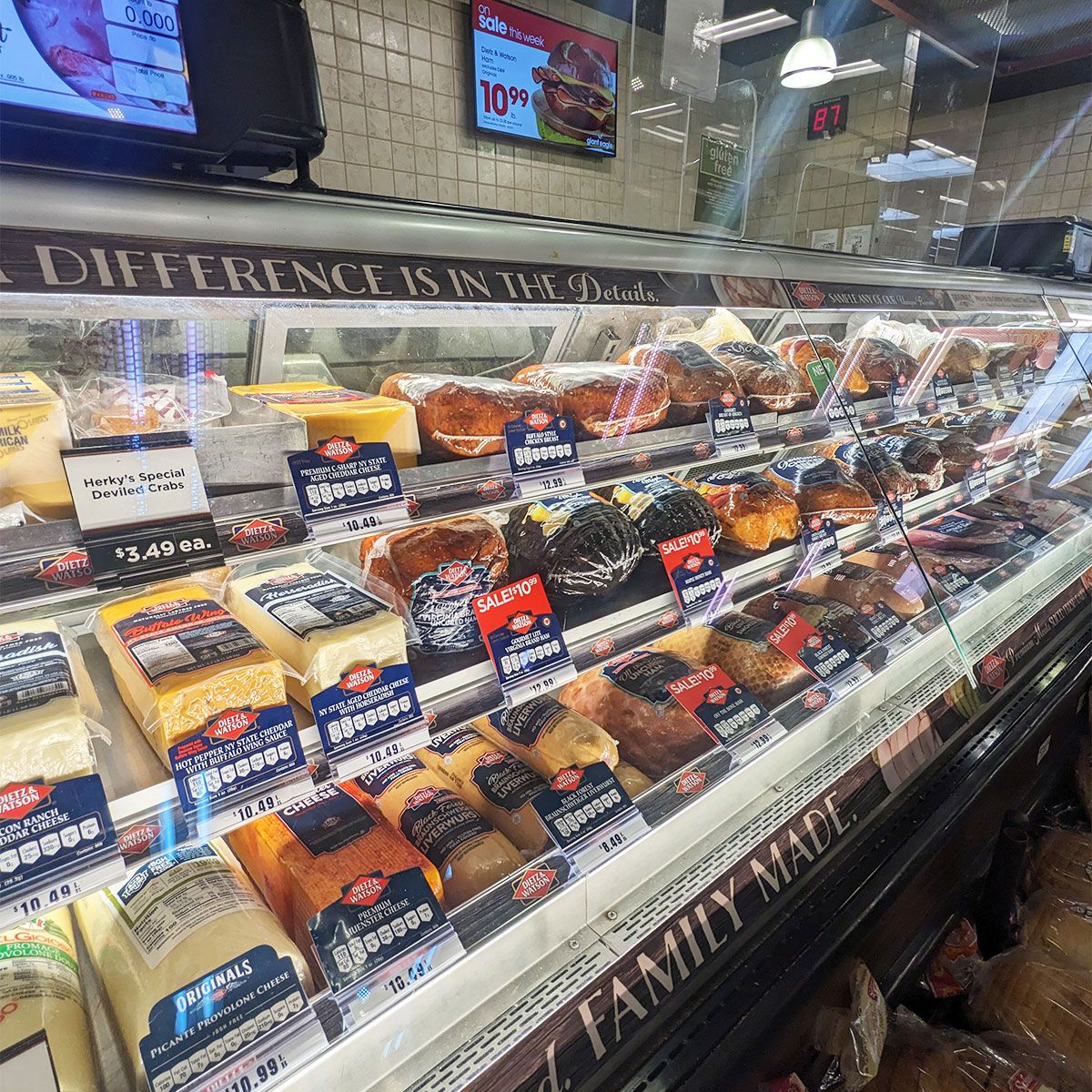
1. Deli Meats and Processed Lunch Meats
Deli meats like ham, salami, and turkey slices make a popular, quick lunch option, but unfortunately, they're packed with salt. "Deli meats and processed lunch meats are loaded with sodium to preserve freshness but can increase blood pressure," Dr. Clifford warns. A better option is to use freshly cooked chicken, turkey, or roast beef, or even low-sodium canned tuna, salmon, or hummus for a heart-healthy alternative.

2. Canned Soup
Even when they’re labeled "healthy" or "light," a serving of canned soup can easily put you over your daily recommended sodium intake. "Canned soup and broths contain almost a day’s worth of sodium in one can," Dr. Clifford explains. Instead, try making a quick homemade version with low-sodium broth or bone broth, and season with herbs, garlic, or lemon for flavor without the salt overload.

3. Sauces and Condiments
What's a meal without a delicious sauce? The unfortunate truth, though, is that the sodium in many of your favorite condiments like ketchup, soy sauce, and salad dressings can be harmful to your health. "Sauces and condiments contain large amounts of sodium in small portions which can add up quickly," Dr. Clifford notes. Making your own vinaigrettes with olive oil, vinegar, and mustard, or opting for fresh salsa, tahini, or yogurt-based dressings, can help you cut way back without losing flavor.

4. Frozen Dinners and Pizza
Frozen meals are undeniably convenient and tasty, but that convenient comes with a cost. "Frozen dinners and pizza are loaded with sodium to preserve and enhance flavor," Dr. Clifford says. To keep things heart-healthy, try meal prepping frozen dishes at home or choose low-sodium frozen options whenever possible.
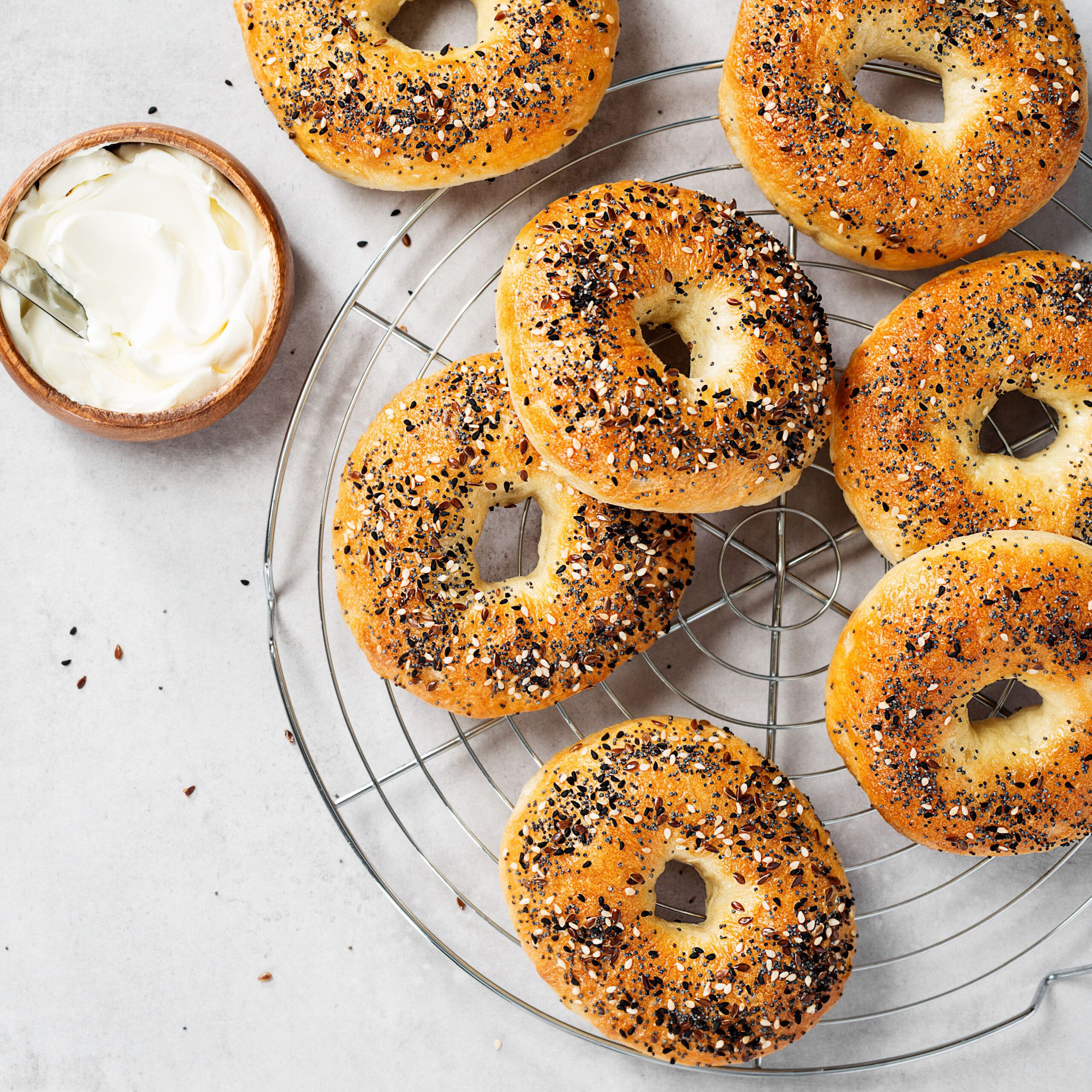
5. Bread and Bagels
Bread may not always taste salty, but you shouldn't be fooled into thinking that means it has a low sodium content. According to Dr. Clifford, bread and bagels "can have high amounts of sodium per slice or bagel before spreads." A healthier move is to look for low-sodium or sprouted grain bread, or even replace your morning bagel with oats, quinoa, or a whole-grain wrap to lower your sodium intake. Still delicious!

6. Flavored Water and Sports Drinks
They may be marketed as a smart way to rehydrate, but many flavored waters and sports drinks contain surprisingly high levels of sodium. "Flavored water and sports drinks are usually marketed as ‘healthy’ but may contain large concentration of sodium to replace electrolytes," says Dr. Clifford. Instead, stick with plain water, or try sparkling water with fresh fruit for a refreshing, sodium-free option.