

If you’ve noticed stubborn belly fat, lower energy, and workouts that suddenly feel harder during menopause, you’re not imagining it. Hormonal changes—especially the drop in estrogen—can directly affect how your body stores fat, maintains muscle, and regulates energy. But the good news? The right type of exercise can make a major difference.
According to Nicole Wright, a fitness and menopause coach who specializes in helping women feel strong and energized again, two specific workouts stand out as the most effective during menopause. And no, endless cardio isn’t one of them.
“The two best workouts I recommend for women in menopause who want to lose weight and increase energy are 1) a strength-training-based workout and 2) low-impact interval training,” Wright explains.
Here’s why these two approaches work—and how to do them the menopause-friendly way.

Struggling With Sleep? This Rechargeable Sound Machine Is A Total Game-Changer

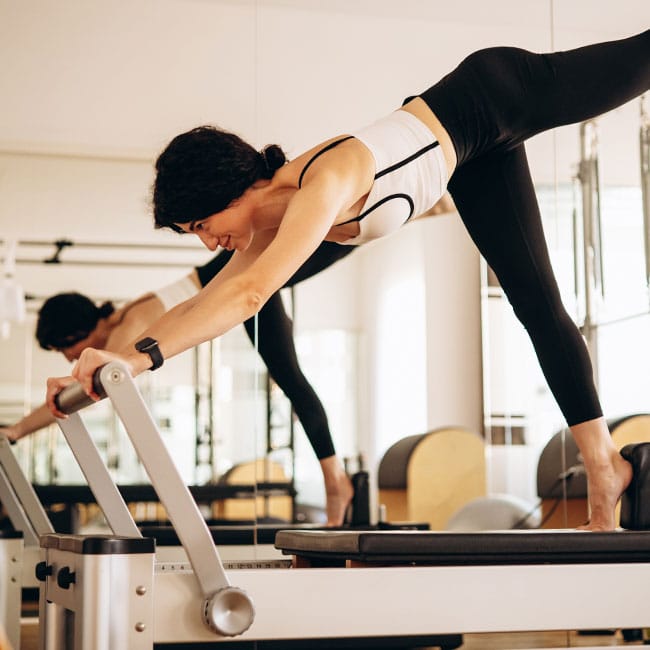
1. Strength Training With Challenging Weights
Strength training isn’t just helpful during menopause—it’s essential. As estrogen levels decline, women naturally lose muscle mass and bone density at a faster rate, which can slow metabolism and increase fat storage, particularly around the midsection.
“Strength training is a crucial part of your fitness routine in menopause as it directly counters the decline in bone density and muscle mass which accelerates with the decline in estrogen levels,” Wright says.
Lifting weights that actually challenge you—rather than doing endless reps with light dumbbells—helps rebuild lost muscle. And muscle is metabolically active tissue, meaning it burns more calories even when you’re resting.
“Lifting weights builds muscle and the more muscle you have the more calories you burn—and that calorie burn continues even when you aren't exercising,” she explains. “Lifting weights also helps the body use carbohydrates more efficiently; burning them instead of storing them as fat,” Wright adds.
Beyond fat loss, strength training can significantly improve daily energy levels.
“Done correctly, lifting weights two or three times a week has the added benefit of keeping you energised,” she says. “Building muscle helps reduce fatigue by making everyday movements less effort, with the added bonus of feeling stronger mentally and physically.”

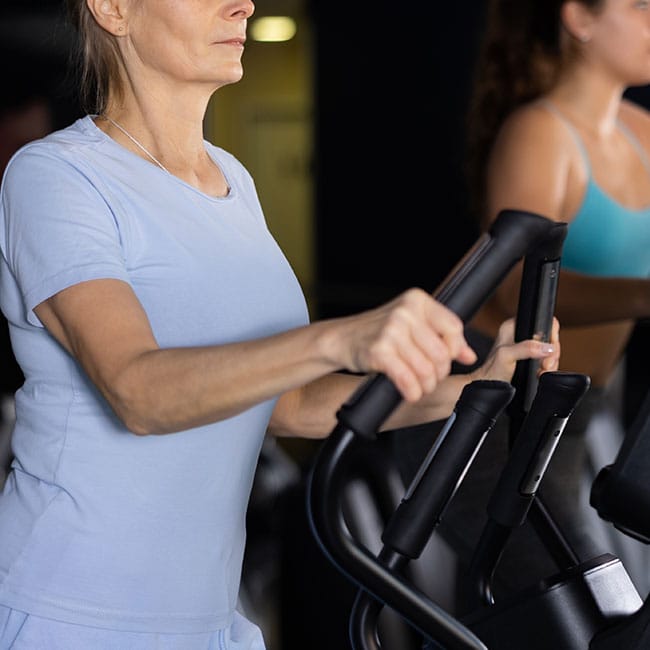
2. Low-Impact Interval Training (Not Traditional HIIT)
While high-intensity interval training (HIIT) is often praised for fat loss, it can actually backfire during menopause if overdone—especially for women dealing with joint pain, pelvic floor issues, or high stress levels.
“Traditional high-intensity interval training can be stressful for the body during menopause and is often limited by bladder or pelvic floor issues,” Wright explains. That doesn’t mean interval training is off the table—it just needs to be done smarter.
“Think short bursts of effort—15 to 30 seconds depending on fitness levels—followed by a rest interval of one to two minutes,” she says.
This lower-impact approach still delivers powerful fat-burning benefits without overwhelming the nervous system.
“Done correctly, interval training stimulates fat burning in the body, helps manage cortisol levels, and leaves us feeling more energised,” Wright explains.
Cortisol—the body’s primary stress hormone—plays a major role in menopause-related belly fat. “Chronically high cortisol levels are linked to an increase in belly fat storage and a feeling of fatigue,” she says. “Interval training works to break this cycle of belly fat storage and fatigue.”
The Bottom Line
When it comes to menopause fitness, more isn’t better—smarter is better. The combination of strength training and low-impact interval training addresses the root causes of menopause weight gain and fatigue, rather than fighting against your changing hormones.
“Together, the combination of strength training and interval training—along with a healthy diet and lifestyle—promote sustainable fat loss, protect our muscles, bones, and joints, and improve our daily energy levels,” Wright says.
Instead of punishing your body with excessive cardio, these two workouts help you work with your hormones—so you can feel stronger, leaner, and more energized at every stage of menopause.