




Many effects of menopause are inevitable. As women age, we will naturally experience shifts in estrogen, progesterone, and other hormones, making certain foods—like sugary, inflammatory ones—have an even greater impact on our body and health efforts. For this reason, it’s important to be particularly mindful of the foods you’re putting into your body as you reach middle age and enter menopause, especially if you want to keep your hormones balanced and your metabolism in good shape.
While there are many great anti-inflammatory foods to add to your plate to help in this department, it’s also vital to limit your intake of harmful ingredients. To learn about a few of the most common culprits for menopausal women, we spoke to Dr. Michael Lahey; Taylor Stolt, RD; and Dr. Amie Hornaman, a Functional Medicine Practitioner. They warned against refined carbs, sugary snacks, processed meats, and more. Find all of their expert insight below.

Women Are Swapping Their Boring Water For This Ice Pop Electrolyte Mix!

1. Refined Carbohydrates
White bread, pastries, and other refined carbs may be delicious indulgences and, in some cases, even kitchen staples, but the sad truth is that they do more harm than good during menopause (and in general). According to Dr. Lahey, "Refined carbs increase weight and insulin levels, making weight loss even more challenging." They can even make mood swings worse, and often leave you feeling drained. Choose whole grains such as quinoa, brown rice, and whole-wheat bread for better blood sugar and energy levels.
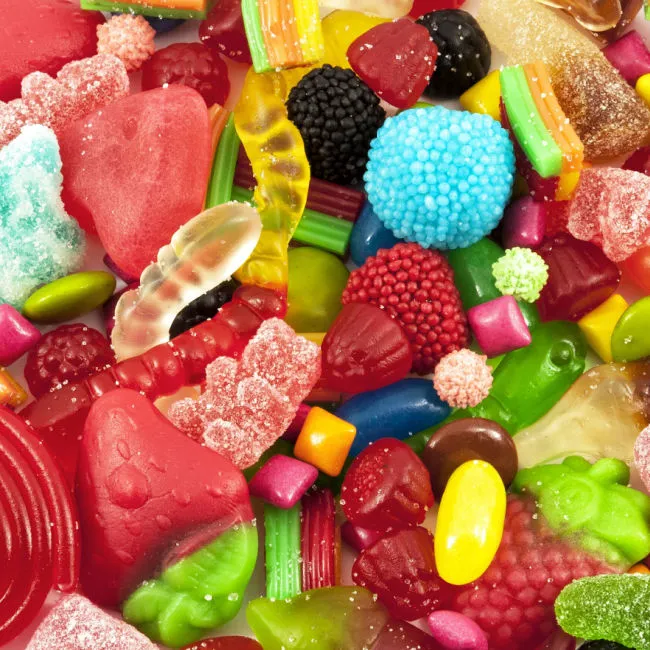
2. Sugary Snacks and Sodas
Sugary snacks like candies and sodas are undeniably delicious—and let's face it, they're oftentimes difficult to resist. Unfortunately, though, their high fructose content is likely to lead to blood sugar spikes and crashes. This rollercoaster effect can throw your hormones off balance and worsen mood swings and fatigue, two common menopausal symptoms.
"Sodas and candies trigger irritable moods and undue tiredness that are so noticeable during menopause," Dr. Lahey warns. Plus, all that sugar can contribute to fat accumulation, along with a range of other health risks. Instead, Dr. Lahey recommends opting for fresh fruits or a piece of dark chocolate to satisfy your sweet tooth. If you're craving soda, reach for water infused with lemon or berries. Yum!

3. Processed meats
Although they're tasty, processed meats like sausages, hot dogs, and deli cuts are some of the worst meats for your health—and that includes your hormonal health. Eating too much of them can increase your estrogen levels and disrupt your hormones, which means that you may want to be especially careful with consuming them during menopause. Plus, these are high in sodium and preservatives, which can lead to bloating and inflammation, among other issues.
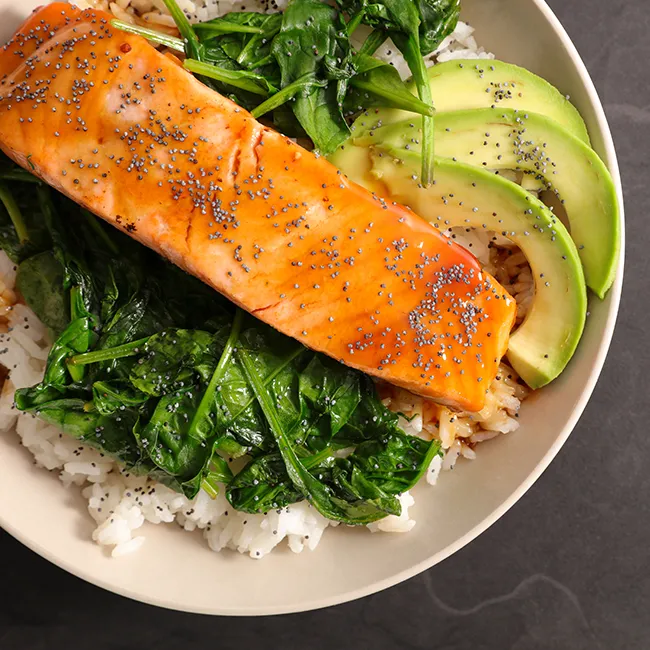
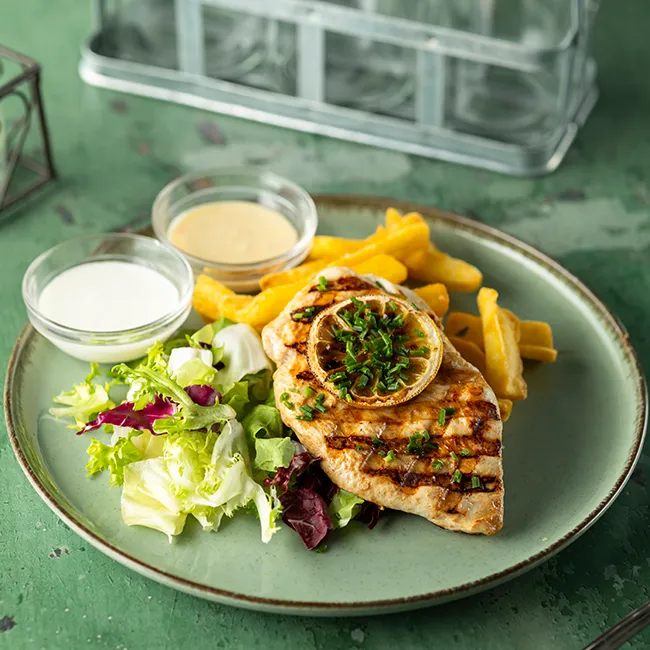
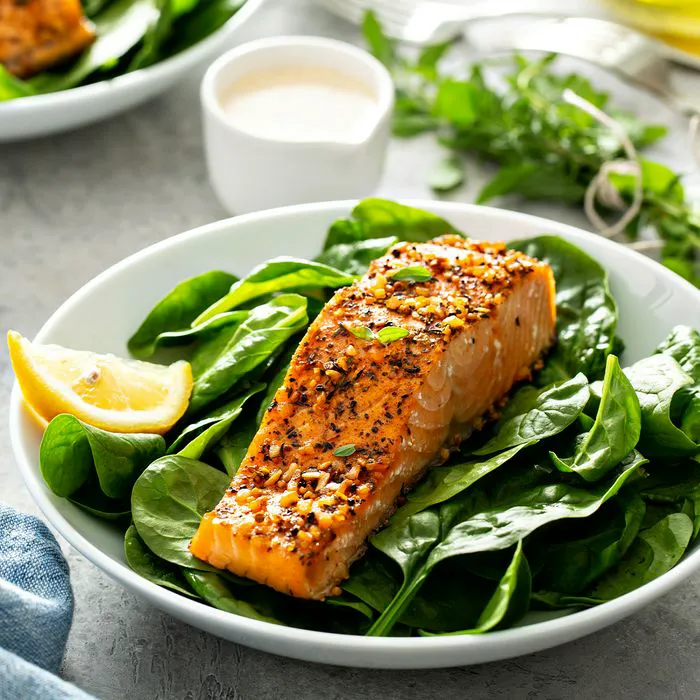
"These foods can exacerbate menopausal symptoms by increasing inflammation levels in the body," Dr. Lahey tells us. Bloating is already a common complaint during menopause, and the added sodium from these meats only makes it worse. To avoid this, Dr. Lahey recommends choosing lean proteins such as skinless chicken, fish, or plant-based options like legumes and tofu—all of which are great for weight management.
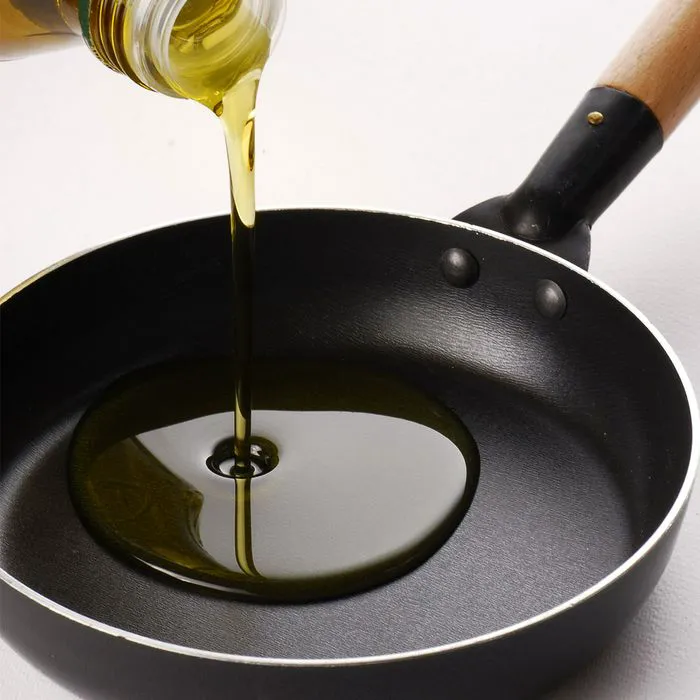
4. Industrial Seed Oils
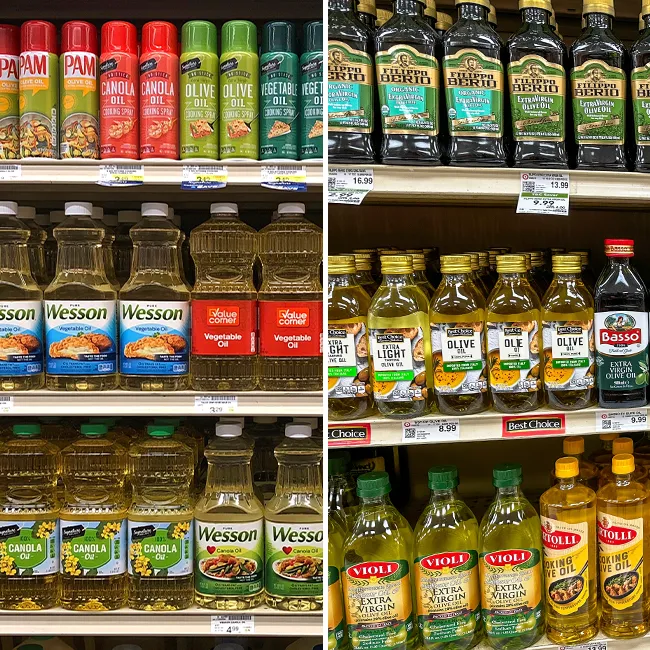
More often these days, we're hearing about how seed oils, which include canola, corn, soybean, and other vegetable oils, can have a negative impact on our health and hormones, especially if we consume them frequently. It's hard not to, considering many processed and premade foods are full of seed oils, but it is possible to keep them out—and this might be an especially good move during menopause.
"Canola oil, soybean oil, corn oil—these oils are pure inflammation," says Dr. Hornaman. "They're processed at high heat using chemical solvents and are packed with omega-6 fatty acids that damage your cell membranes and promote chronic inflammation. That inflammation interferes with hormone signaling, worsens insulin resistance, and puts stress on your thyroid."
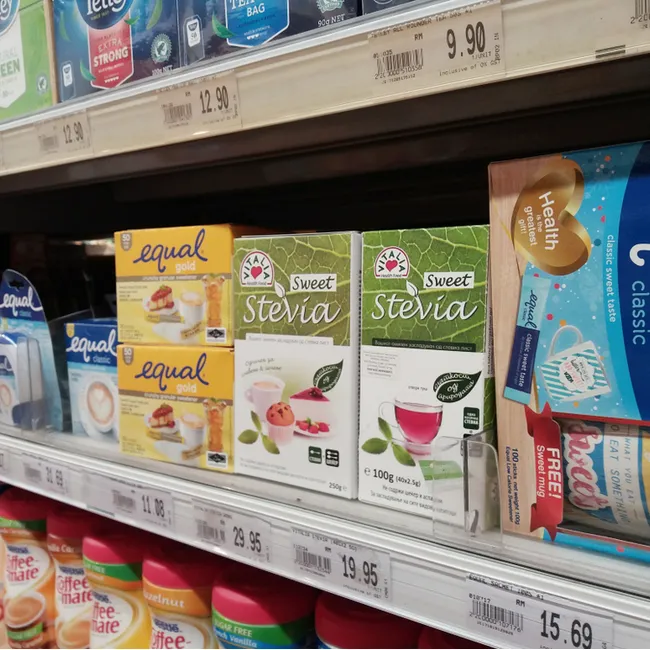
5. Artificial Sweeteners
Our diet culture truly is a wild thing, as we know that refined sugar is bad for us and we're often told to avoid it whenever possible, but then we're being told to consume things that are 'sugar-free' and filled with artificial sweeteners, which, in many cases, can almost be just as bad.
"Just because something says 'zero calories' and 'zero carbs' doesn't mean it's safe," notes Dr. Hornaman.
"Artificial sweeteners like sucralose, aspartame, and acesulfame potassium can still spike your insulin and blood glucose," she continues. "And when your blood sugar is dysregulated, not only do you gain weight, but it also interferes with the conversion of inactive thyroid hormone (T4) into active thyroid hormone (T3). Add in the inflammation that these sweeteners cause, and you've got a recipe for complete endocrine chaos."

6. Alcohol
Everyone knows the downsides to alcohol, even though it's one of the most popular beverages in the world. Alcohol can actually affect key hormone-regulating processes, especially as the body ages and metabolism slows down.
Stolt reveals that alcohol affects almost every hormone in the body, and not in a good way. She says that this drink "impairs liver function, which plays a key role in metabolizing estrogen, leading to imbalances like estrogen dominance. Even one drink can significantly reduce melatonin production, disrupting sleep and triggering a cascade of hormonal issues. Alcohol also lowers progesterone, increases testosterone levels, and weakens adrenal function, contributing to stress hormone imbalances."
As time goes by, this can worsen feelings of fatigue, mood swings, and weight gain.