


Microneedling with radiofrequency has become one of the buzziest beauty treatments in the U.S., promising tighter, more youthful-looking skin. But according to Dr. Anil Rajani, a leading skin expert, when it’s done incorrectly, it can actually make you look older almost overnight.
“Women all over the country are getting this treatment, thinking it’ll tighten their skin, but in the wrong hands, it actually makes them look older overnight,” Dr. Rajani explains. Concerned about the rising number of complications, he traveled to Seoul, South Korea—the skin-tech capital—to meet with a dermatologist who performed over 24,000 of these treatments last year alone.

Struggling With Sleep? This Rechargeable Sound Machine Is A Total Game-Changer

The Scary Downside To RF Microneedling
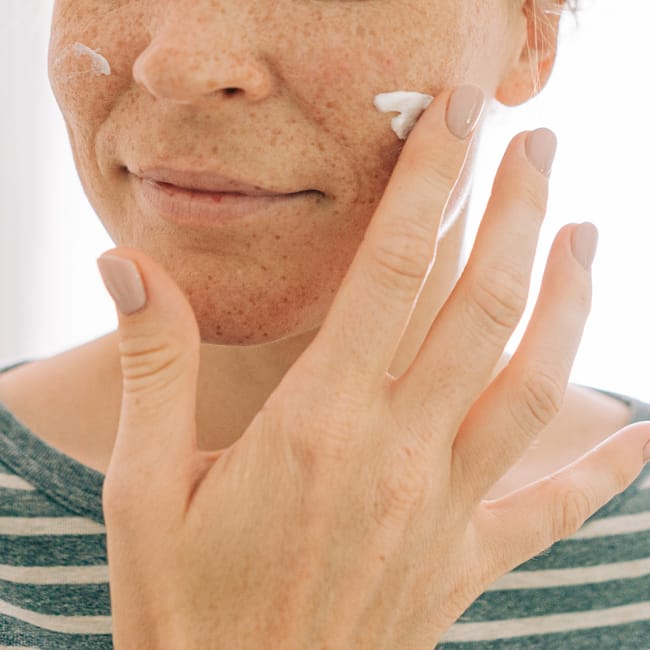
The treatment combines tiny microneedles with radiofrequency energy to create localized heating under the skin, stimulating collagen production. While the technology itself isn’t inherently dangerous, the FDA recently issued a warning after reports of serious complications emerged in the U.S., including burns, scarring, fat loss, nerve damage, and even the need for corrective surgery.
"Imagine giving a welding torch to someone who thinks it’s a flashlight. That's how people are using this treatment," Dr. Rajani says, referring to untrained providers who crank the energy settings too high or go too deep, causing permanent damage to facial fat. These mistakes can lead to hollowed cheeks, sagging skin, and exaggerated wrinkles, which only worsen with natural facial movements.
In Korea, the approach is very different. The dermatologist Dr. Rajai visited uses precise, low-energy settings and carefully measured depths of 0.3 to 1.5 millimeters—never deep enough to damage fat. The treatments are combined with other skin-boosting procedures, like HIFU Monopolar and RF technology, for gradual, controlled improvements. "I’ve never lost fat, even after using over 21,000 tips," the dermatologist explains.
Dr. Rajai stresses that the problem in the U.S. isn’t the technology itself, but rather untrained operators, counterfeit devices, and misuse at medical spas. He advises anyone considering the treatment to ask detailed questions about the provider’s experience, the depth, angle, and energy settings of the device, and their understanding of facial fat pads.
For those who have already experienced fat loss or unwanted hollows from aggressive treatments, Dr. Rajai suggests several recovery options: reducing inflammation with antioxidants and red-light therapy, restoring volume with PRF (platelet-rich fibrin), Sculptra, or PDLLA, and using safe, professional-grade home devices with auto shutoff features.

The Bottom Line
"Microneedling with radiofrequency isn’t the perfect solution. It’s great when done right, but if mishandled, it can be devastating," Dr. Rajai says. He emphasizes that understanding this treatment is not just about safety—it also helps guide the use of all high-energy devices, home tools, and cosmetic procedures to protect your skin and facial fat.
The takeaway? While RF microneedling can be a powerful tool for collagen remodeling and skin rejuvenation, it must be done with precision, expertise, and proper devices. Otherwise, the results could age your face instead of enhancing it.