



Supplements can often seem like a quick and easy solution to a range of health issues. From stronger bones to better sleep, there’s a pill for just about everything—and it you may think that more is always better. But the truth is that even seemingly harmless vitamins and herbal supplements can pose serious risks when taken in excess or combined with other medications. In fact, supplements may do more harm than good if you’re not careful.
To highlight a few surprisingly dangerous supplements that could pose a risk to your heart, kidneys, liver, and more, we spoke to health experts Dr. Peter Brukner, Dr. Michael Lahey, and Dr. Rimas Geiga. They warned against vitamin D, Ephedra, licorice root, and more. Find all of their expert insight below.

Struggling With Sleep? This Rechargeable Sound Machine Is A Total Game-Changer
1. Excessive Vitamin D
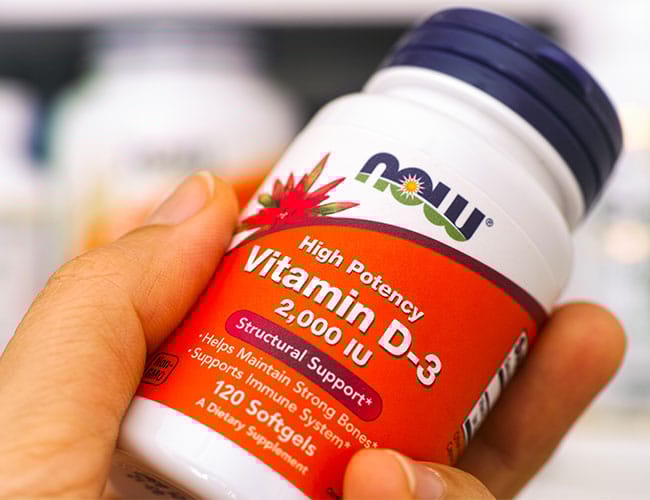
Vitamin D is crucial for having healthy, strong bones, but if you consume too much of it, "it can make the level of calcium in your blood go high, which might be bad for health," says Dr. Brukner.
Furthermore, "When there is too much calcium in your blood, it can cause kidney stones and other big health issues. In the stomach area, high amounts of vitamin D can interfere with how the body takes in other nutrients, which might result in constipation or diarrhea." Noted!
2. High-Dose Omega-3 Fatty Acids
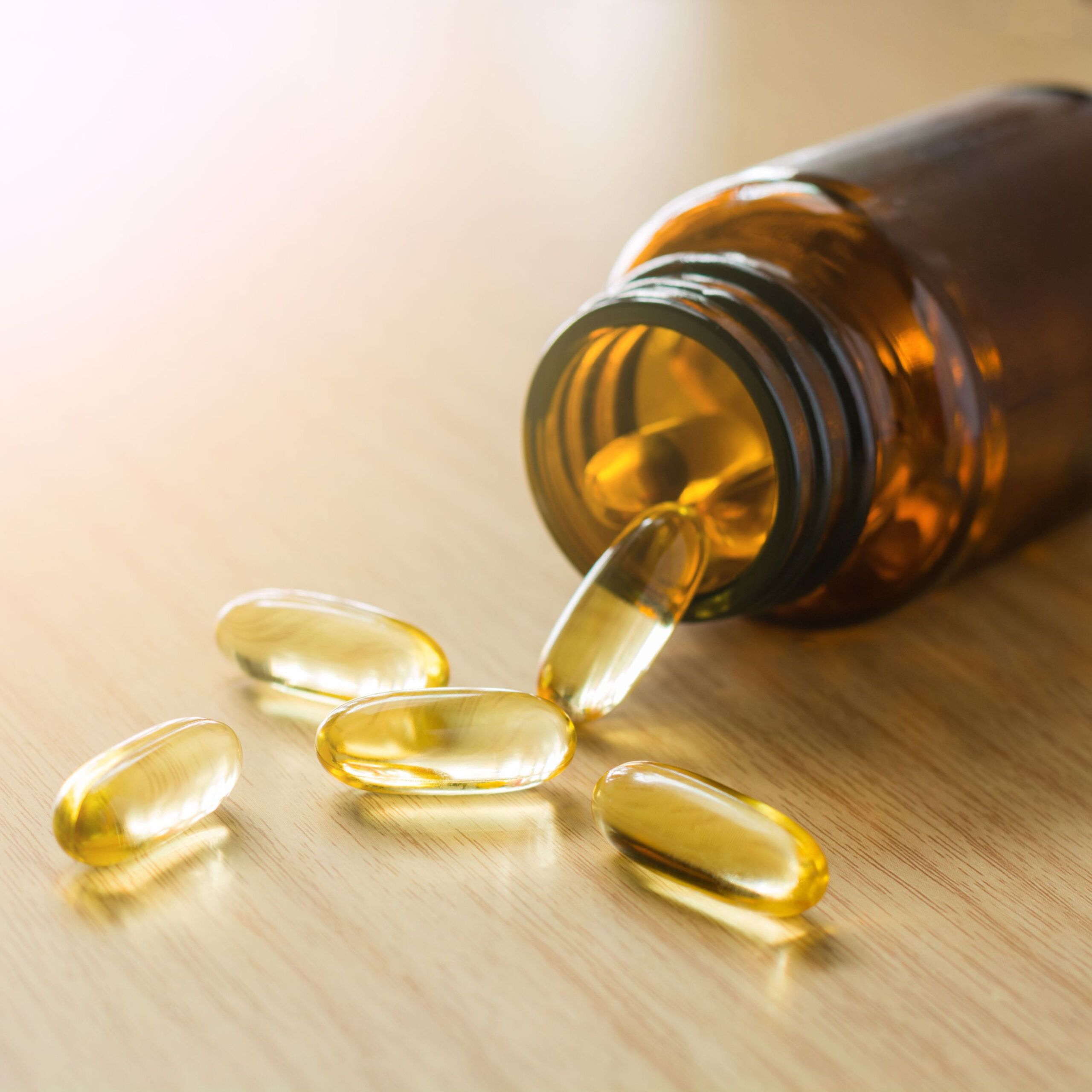
Most people take omega-3 fatty acids for their potential benefits for inflammation, heart health, and improving cognitive function. While these are all important, you should be careful not to take it in excess, especially if you're on blood thinners.
"Omega-3s are usually very healthy, but taking too much can cause some problems. High doses might raise the chance of bleeding and could make your heartbeat irregular. They can also lead to stomach issues such as bloating and gas if you take large amounts," he notes.

3. St. John’s Wort
Dr. Brukner says “St. John's Wort is a plant-based supplement that lots of people use to help with depression and anxiety.” However, it’s important to know that it “can cause problems if you are taking other medicines at the same time.”
He adds that this supplement can interfere with other medications, “which might be risky. It also may cause your stomach to feel bad and give you diarrhea, making you feel worse if you're already having mental health problems.”
4. High-Dose Iron Supplements
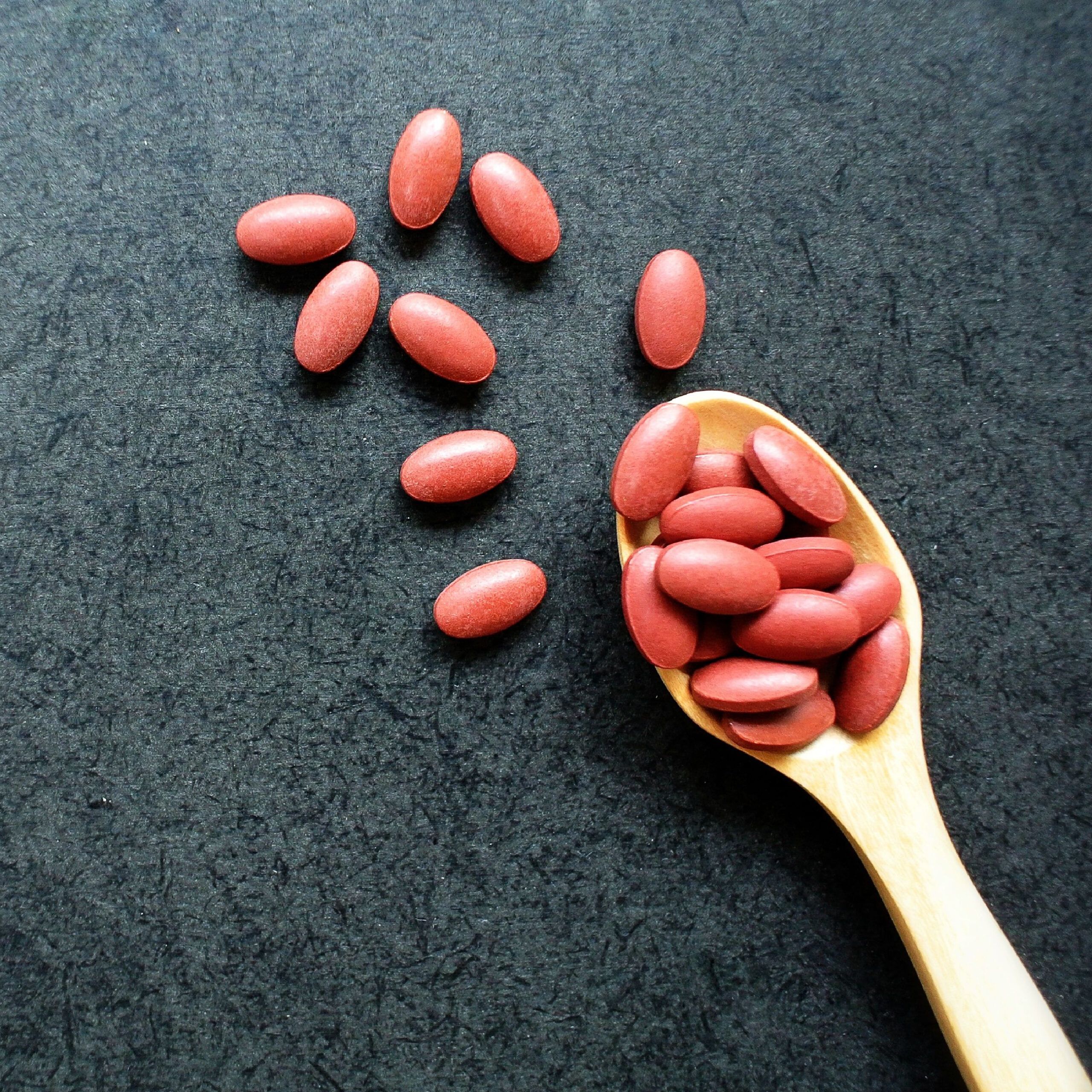
Excessive iron has been linked to gastrointestinal problems like constipation, nausea, and abdominal pain. Over time, this can impact the liver, resulting in serious damage. While iron is important for overall health, taking too much of it can lead to health problems.
"Taking too much iron can lead to a problem called iron overload. This condition is not good for the liver and other organs in the body. It also might cause issues with digestion, like constipation and stomach pain. Also, having too much iron can disturb the balance of good and bad bacteria in your stomach, causing inflammation and other digestion issues," says Dr. Brukner.
5. Calcium Supplements
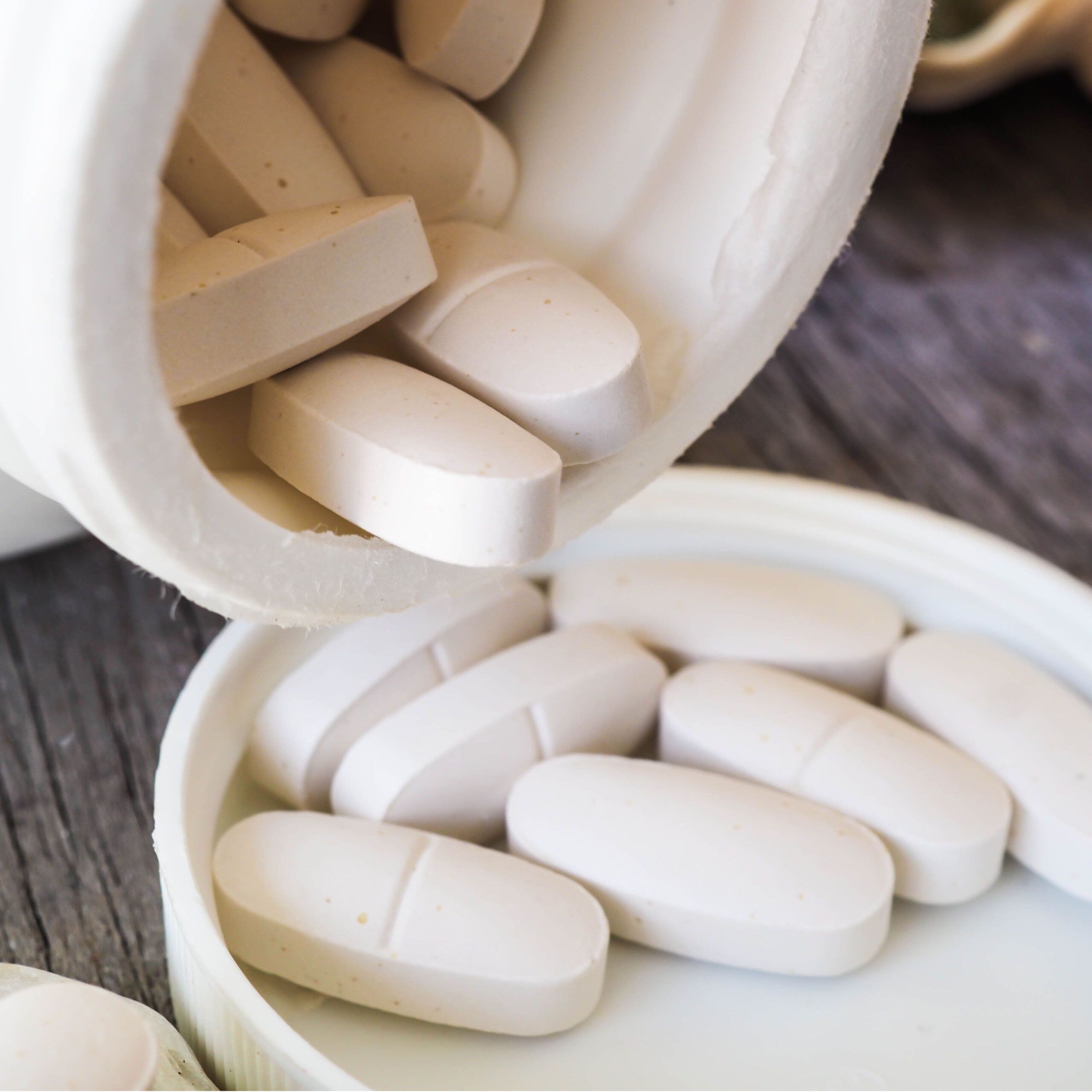
Calcium is undoubtedly essential. It famously plays a central role, for example, in maintaining strong bones. But when it comes to calcium supplements, caution is key. Dr. Lahey warns that "supplementing with calcium regularly can lead to hardening of arteries and heart disease." Instead of relying on calcium pills, he suggests turning to natural sources, such as "green vegetables and dairy products," which provide calcium without the associated cardiovascular risks. These dietary sources are not only safer but also provide a range of other nutrients that support overall health. Perfect!

6. Vitamin E
Vitamin E is known for its antioxidant properties, which can certainly be helpful for your health. However, Dr. Lahey warns that taking it in large doses can be dangerous. "Large doses of vitamin E, greater than 400 international units a day, have been associated with hemorrhagic stroke and heart failure," he tells us. He emphasizes that it’s better to get vitamin E from whole foods rather than supplements. "I suggest you obtain your dose of vitamin E from foods such as nuts and seeds, spinach, and such like," he suggests. Got it!
7. Yohimbe
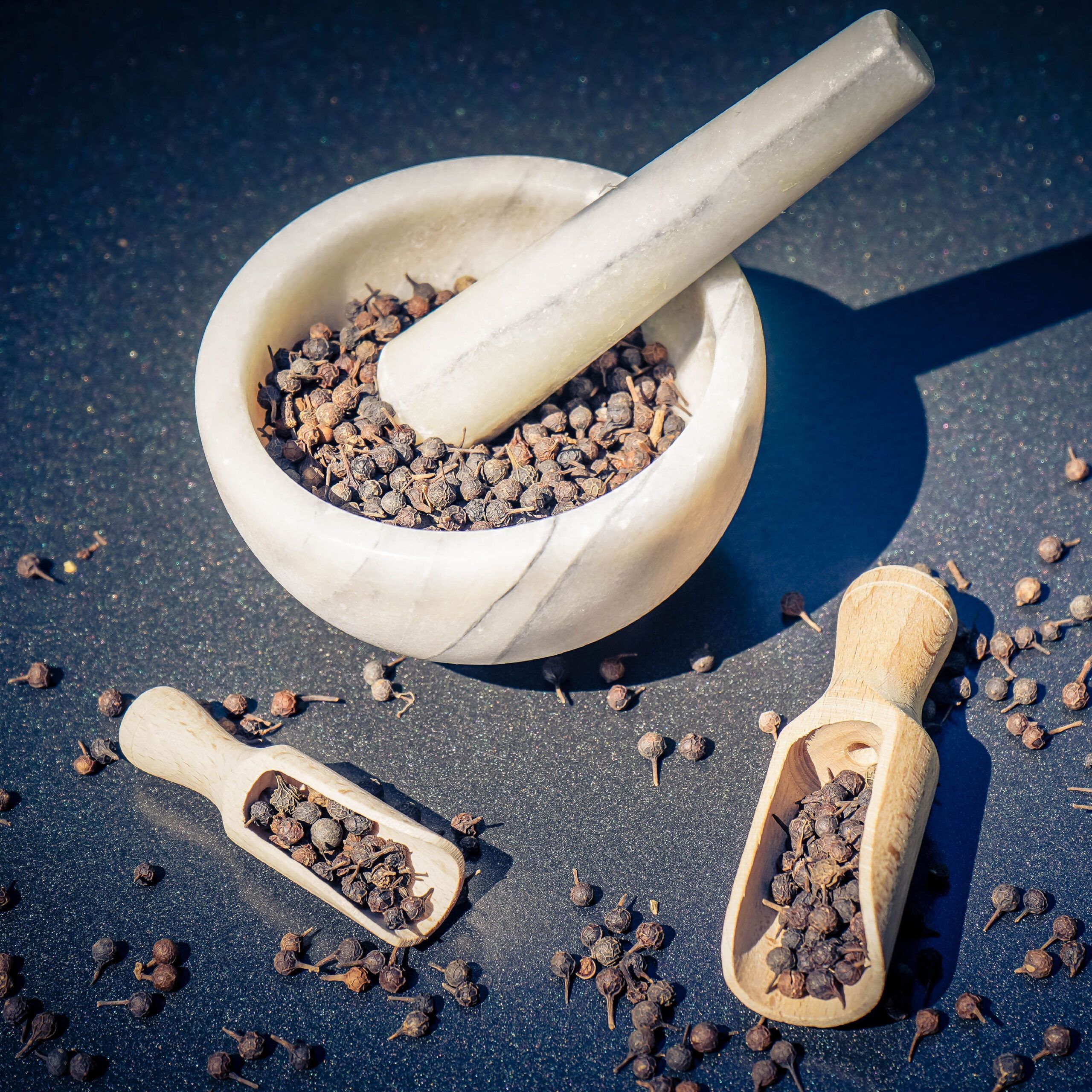
Unfortunately, many supplements promising weight loss can be a nightmare for your heart. Yohimbe is one that has gained popularity as a fat burner and a supplement for enhancing sexual performance. However, Dr. Lahey warns against it, especially if you want to keep your heart health in good shape. "Side effects include an increase in pulse rate and blood pressure—not a plus for any person with heart problems, especially those who are more than fifty years old," he cautions. Instead of turning to Yohimbe, he recommends focusing on "lifestyle modifications to enhance cardiovascular functioning," such as a balanced diet and regular exercise.

8. Ephedra
Ephedra, once a popular supplement for weight loss, was banned by the federal government in 2000 due to its dangerous side effects. "Ephedra can produce a spike in blood pressure, and increase the risk of heart attacks or abnormal heart rhythms," Dr. Lahey warns. Although it's been banned in the United States, supplements containing ephedra might still be available on some shelves. When it comes to weight loss, your best bet is to stick to tried and true methods—like regular exercises and a healthy diet—rather than turning to supplements.
9. Comfrey
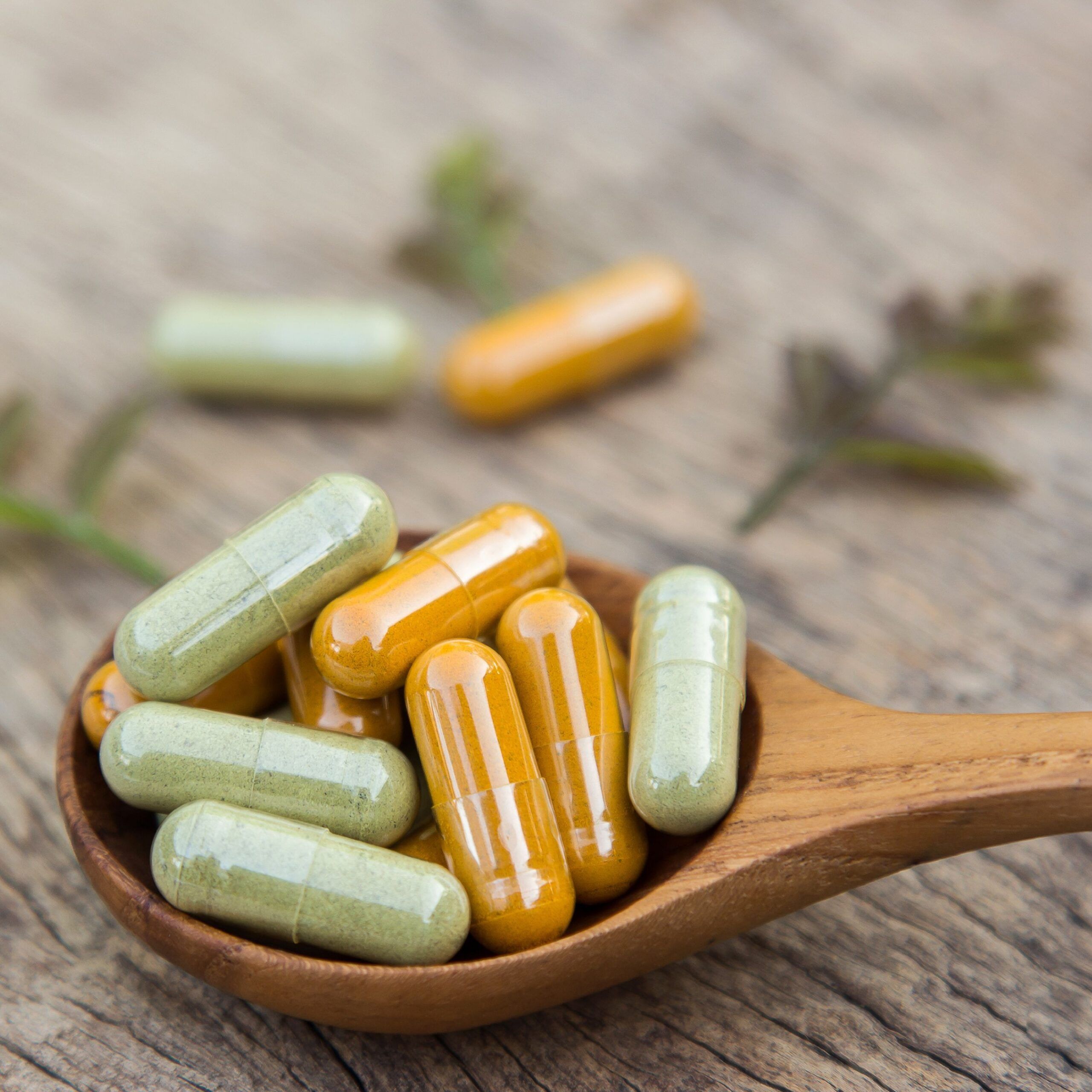
Comfrey contains pyrrolizidine alkaloids that are toxic to the liver and can also harm the kidneys. Dr. Geiga explains, "Prolonged use or high doses of comfrey can lead to liver damage and kidney toxicity." Instead of comfrey, explore alternatives like chamomile or calendula, which offer soothing properties without the risk of liver or kidney harm.

10. Licorice Root
Licorice root, if consumed in large amounts or over extended periods, can cause potassium depletion and elevate blood pressure. This can potentially lead to kidney damage or worsening existing kidney conditions. "Licorice root can be harmful to kidney health due to its effect on potassium levels and blood pressure," warns Dr. Geiga. For digestive health, consider alternatives like chamomile or fennel tea, which can soothe the stomach without the risks associated with licorice root.

11. Cascara Sagrada
Often used as a laxative, Cascara sagrada can lead to health issues with prolonged or excessive use, straining the kidneys over time.
Dr. Geiga notes, "Excessive use of Cascara sagrada can compromise kidney health due to dehydration and electrolyte imbalances."
To support regularity without compromising kidney health, choose gentler laxatives like psyllium husk or incorporate fiber-rich foods into your diet.