

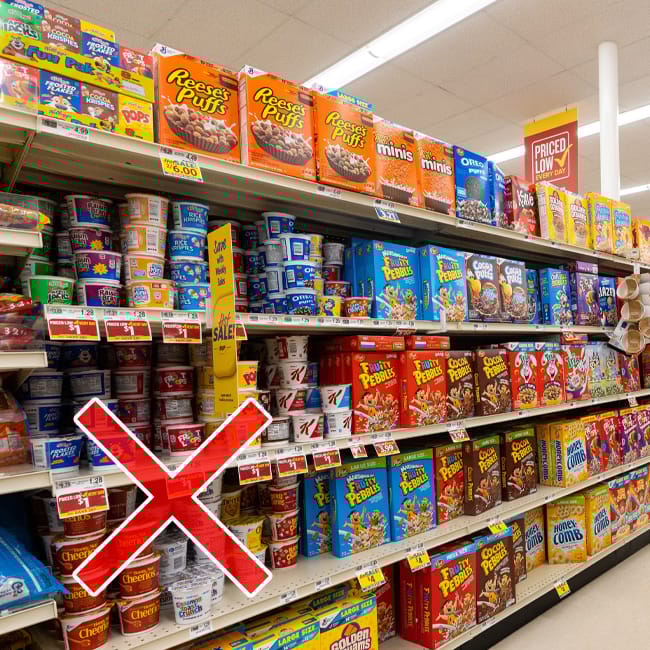



Your gut health always deserves attention, but it becomes an especially important priority with age. As we get older, our digestion naturally slows down, our hormones shift, and our body becomes more sensitive to stressors. Small habits that may seem inconsequential can make a major difference in your health overtime, especially for women over 40.
We spoke to experts to uncover the four most damaging habits you may not even realize are affecting your digestion. From drinking coffee on an empty stomach to skimping on sleep, here are the worst mistakes for your gut—and how to fix them.

Struggling With Sleep? This Rechargeable Sound Machine Is A Total Game-Changer

1. Drinking coffee on an empty stomach
Although you may think sipping on some caffeine is better than having nothing at all in the morning, Gerber says drinking coffee on an empty stomach can have serious consequences on your health. "Eating food to break our fast is so important–drinking coffee before consuming food can cause us more stress as most of us are already stressed to begin with," she says. "More caffeine can add fuel to the fire and be harsh on our body. This can especially be seen in people who have genetically slow caffeine metabolizers." And ultimately, all of that stress can take a toll on your gut. So, if you want to have a cup of coffee in the morning (like many of us choose to!) make sure to pair it with a nutritious breakfast. That extra bit of time you take to grab some food will pay off in the long run!

2. Skipping breakfast
If you’re trying to lose weight, you may think that skipping breakfast is a good way to save calories and speed up your progress. However, Gerber says that making sure you eat breakfast every morning is essential to your overall health, especially when it comes to your gut. "It is critical that we make time for breakfast as it helps us manage our stress levels and break our overnight fasting," she explains. Failing to do so "can lead to poorly managed blood sugar from repeatedly skipping meals or undereating." So, what does that mean for our gut? "If we do not eat our breakfast, our body registers this as unsafe and therefore does not prioritize gut repair, optimal digestion, and health hormone output," she warns. "By not eating, it turns down the dial of metabolism to protect itself and can cause sluggish digestion." Noted! For this reason, you should always find time to eat a quick breakfast to keep everything running smoothly.

3. Eating processed foods
While ensuring you’re eating enough meals every day is essential, it’s also important to consider what you’re putting in your body. Whenever possible, you should always opt for whole foods that can provide your body with the nutrients it needs to thrive.
Processed foods, on the other hand, are terrible for your overall health–and that includes your gut health. "Processed foods are often loaded with preservatives, unhealthy fats, and sugar," Meghan Punda, nurse practitioner and functional nutritionist, says.
"They lack nutrients and essential fiber and can disrupt the balance and health of the gut microbiome." The highly processed ingredients in these foods will feed the bad bacteria in your gut, resulting in dysbiosis, which can trigger issues like irritable bowel syndrome and even serious diseases like diabetes and cancer.

4. Poor Sleep
As the body requires rest to prepare for its next energy-filled day, having an erratic sleep schedule will not help quicken or maintain a healthy metabolism.
In order to get more shut-eye, dietitian Trista Best recommends not only sticking to a consistent nightly schedule, but also eating foods that can encourage you to fall asleep faster if this is something you struggle with.
"As the understanding of diet and health continues to progress, we are seeing more ways the nutrients we eat, or don't eat, impact almost every area of health," she says. "Sleep is not exempt from diet's effects. Both the quality and the quantity of sleep can either be hindered or promoted through what we eat."
She notes that eating foods that contain natural melatonin right before you are ready to attempt sleep can "help you fall asleep faster, sleep more soundly" and promote a healthy metabolism and soothe your digestion.
"Almonds, walnuts, and bananas are prime examples of these easy to snack on foods rich in melatonin," she suggests. Best concludes that foods that prevent quality sleep are often rich in refined carbohydrates. "Simple carbs reduce serotonin in the brain, the chemical responsible for inducing sleep," she explains, "These foods are typically processed convenience foods like pastries, crackers, chips, and pasta, and should be avoided close to bedtime."
The more you know!