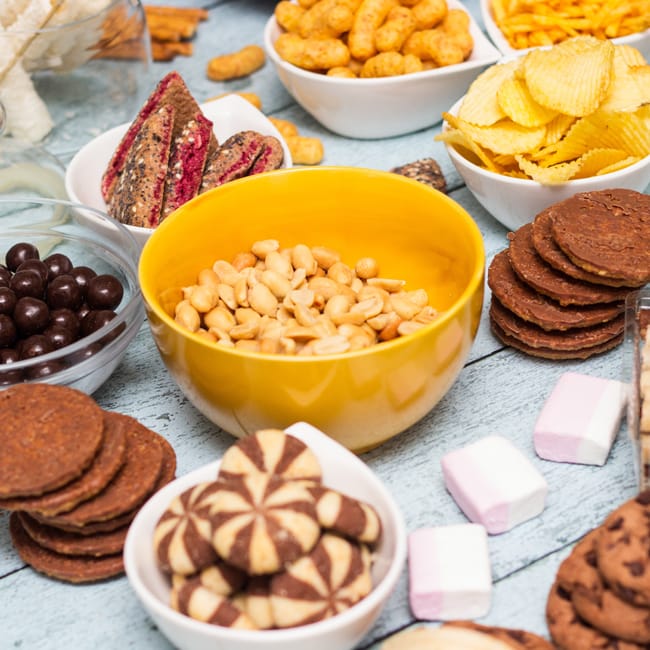


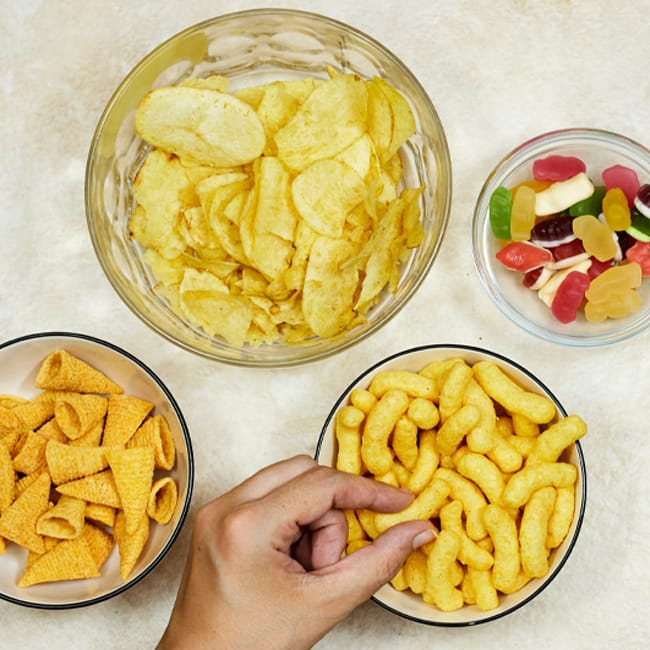


When it comes to eating healthy, “low-fat” foods often sound like the safest choice. But looks can be deceiving. Many packaged products marketed as fat-free or diet-friendly are actually loaded with sugar, additives, and processed ingredients that can wreak havoc on your digestive system. Over time, these hidden culprits may trigger gut inflammation, bloating, and other uncomfortable side effects that sabotage your wellness goals.
To help you sort this out, we’ve rounded up 11 common “low-fat” foods that may secretly be doing more harm than good to your gut health.

Struggling With Sleep? This Rechargeable Sound Machine Is A Total Game-Changer

1. Protein/Granola Bars
Some “health” bars can do more damage than good when it comes to the gut.
“I would keep people away from sugar alcohols that are contained in many diet foods and bars,” weight loss physician Dr. Craig Primack tells us.
“Most protein bars on the market have the nutrient quality of a candy bar with a higher price tag,” registered dietitian Trista Best agrees. Consumers should be aware of nutritional concerns associated with these bars, such as sugar and calories, before grabbing them for a meal replacement, quick meal, or post-workout snack.
"Granola is made with sugars and, oftentimes worse, with high fructose corn syrup," he warns. Even homemade granola can come with risks, he warns, as many of the granola cereals and cereal bars on shelves these days are "loaded with sugars that will inflame your stomach and create yeast issues that will create bloating." And that is NOT what we want!

2. Cereals
Although marketed as a fiber-rich, healthy breakfast option, the rest of your body doesn't love this food nearly as much as your taste buds do. In fact, eating breakfast cereal is likely to result in inflammation and digestive issues such as bloating, according to Richards.
"These cereals are typically made from refined grains that lack fiber and essential nutrients," nutritionist Lisa Richards, creator of the Candida Diet, explains. "The high sugar content in sugary cereals can lead to a rapid spike in blood sugar levels, followed by a crash, causing inflammation and contributing to feelings of bloating and discomfort."

3. Flavored Yogurts
"Yogurt is a wonderful addition to your breakfast, but flavored varieties are often loaded with added sugars and artificial flavors," nutritionist Meena Bulaji says. She warns that excessive sugar consumption can disrupt the balance of gut bacteria, leading to a decrease in beneficial microbes and an increase in harmful ones. Ultimately, this can lead to gut inflammation and weight gain. But the risks don't stop there. Artificial colors or flavors in flavored yogurts can even cause health issues like migraines and skin rashes.

4. Smoothies
Consuming large quantities of sugar in liquid form can lead to spikes in blood sugar levels, followed by crashes, which may disrupt digestion and leave you feeling bloated or sluggish.
Additionally, smoothies and juices often lack the fiber found in whole fruits and vegetables, which is essential for promoting healthy digestion and preventing constipation.
Too much of a certain food can sometimes have its downsides, as Alanna Kate Derrick, certified personal trainer and endurance sports nutrition coach, says, "Another culprit is smoothies or juices with lots of greens like kale, spinach, or celery." She adds, "Don't get me wrong—I'm all about getting those nutrient-dense veggies in. But blending them on an empty stomach first thing in the morning is just asking for painful gas and bloating until those tough-to-break-down fibers can get properly digested."

5. Dried Fruit
While dried fruits are often thought of as a healthy snack option, it's essential to be mindful of their potential impact on bloating, gut health, and weight gain. Drying fruits concentrates their natural sugars, resulting in a higher calorie density and increased sugar content per serving. Moreover, the high calorie and sugar load in dried fruits may contribute to weight gain if not consumed in moderation.
When it comes to bloating and gut health, Krutika Nanavati, registered dietitian and nutritionist, says, "While dried fruit offers vitamins and minerals, its higher natural sugar concentration compared to fresh fruit can disrupt gut bacteria balance, causing bloating. Certain dried fruits may contain sulfites, which are preservatives that could potentially contribute to imbalances in the gut microbiome and digestive problems in sensitive individuals."
These can also impact weight gain, as she says, "Despite its small serving size, dried fruit contains a surprisingly high number of calories due to the dehydration process. Excessive consumption of dried fruit can contribute to weight gain."

6. High-Sugar Fruit Juices
Although they may be refreshing and tasty, high-sugar fruit juices can contribute to bloating for some individuals. These juices often contain elevated levels of fructose, a natural sugar found in fruits.
"While it may seem like you're making a good choice by selecting fruit juice, the sugar level in fruit juice might be much higher than [another drink]," Tania Long, nutritionist for Meal Fan, warns. Beth Hawkes, MSN, RN-BC, of Nurse Code, agrees, "Fruit juices are often packed with sugar. For example, there are about 31 grams of sugar in a 12-ounce serving of orange juice, which is more than the 22 grams found in the same amount of cola. If you have a bacterial imbalance in your stomach, the added sugar can induce severe bloating because yeast and bacteria thrive on it," she explains.

7. Low-Fat Salad Dressings
Many “light” or “fat-free” salad dressings are filled with added sugars, sodium, and preservatives to make up for flavor. These ingredients can disrupt digestion, promote bloating, and increase overall inflammation. Choosing olive oil and vinegar or homemade dressings is usually a healthier option.

8. Fat-Free Flavored Coffee Creamers
Flavored creamers labeled “low-fat” or “sugar-free” often contain artificial sweeteners, hydrogenated oils, and emulsifiers. These can upset the digestive system, alter gut bacteria, and contribute to inflammation over time.

9. Low-Fat Cheese or Cheese Spreads
When fat is removed from cheese products, it’s rarely as simple as just taking out the fat. To maintain the taste and texture, manufacturers often add fillers, stabilizers, starches, and extra sodium. While these ingredients help mimic the creamy consistency of real cheese, they can also make the product harder for your digestive system to break down. Over time, these additives may contribute to bloating, water retention, and general gut discomfort.
Another hidden issue with low-fat cheese is that removing the fat also removes many of the fat-soluble vitamins found naturally in full-fat dairy, such as vitamins A, D, and K. This means you’re left with fewer nutrients and more processed ingredients—essentially a less satisfying, less nourishing option. Choosing moderate portions of natural, full-fat cheese can often be a better choice for both gut health and overall nutrition.

10. Low-Fat Baked Goods
Packaged muffins, cookies, brownies, and other baked goods that boast a “low-fat” label often sound like a healthier choice, but in reality, they can be even more problematic for your gut health. When manufacturers cut out fat, they typically replace it with refined flour, added sugars, and artificial ingredients to preserve texture and flavor. These swaps may lower the fat content on paper, but they come at the expense of blood sugar stability and nutrient quality.
The excess sugar and refined carbs in low-fat baked goods can cause rapid spikes and crashes in blood sugar, which may leave you hungrier sooner and trigger cravings for more sweets. Over time, this cycle contributes to inflammation in the gut and can negatively impact your microbiome, making it harder for your digestive system to stay balanced. Many of these products also lack fiber, protein, and healthy fats—the nutrients that help you feel full and satisfied—so you may find yourself overeating without realizing it.
Choosing whole-food-based treats or baking at home with simple ingredients like oats, almond flour, or natural sweeteners can be a much more gut-friendly option than reaching for a “low-fat” label.

11. “Diet” Frozen Meals
Frozen entrées labeled as “lean” or “low-fat” tend to be ultra-processed, high in sodium, and lacking in fiber. This combination can irritate the gut and promote digestive discomfort, making them less healthy than they appear.