




The skincare world is overflowing with ingredients that promise smoother, firmer, younger-looking skin. And when an ingredient starts appearing in everything from drugstore moisturizers to pricey serums, it’s easy to assume there must be solid science behind its wrinkle-fighting reputation. But dermatologists caution that some of the buzziest “anti-aging” ingredients may not deliver the dramatic results their labels suggest.
That doesn’t necessarily mean these ingredients are bad for your skin or that you need to toss your favorite products. Some can offer benefits like hydration, softness, or a temporary plumping effect that makes fine lines appear less noticeable. The key is knowing the difference between an ingredient that helps skin look better in the moment and one that has convincing evidence it can actually improve wrinkles over time. Here are three popular anti-aging ingredients that may be more hype than wrinkle-fighting hero.

Women Are Swapping Their Boring Water For This Ice Pop Electrolyte Mix!
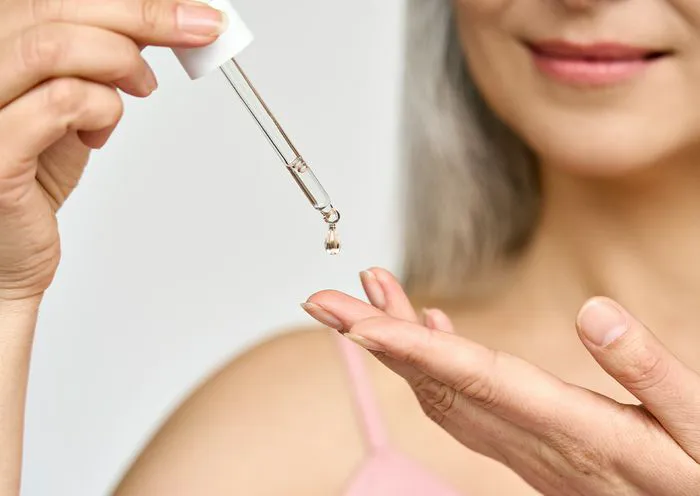
1. Hyaluronic Acid
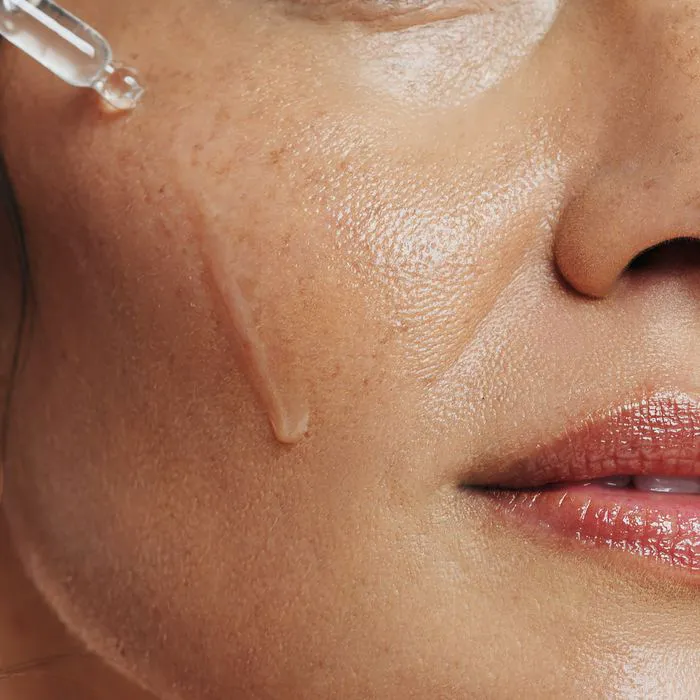
Hyaluronic acid is a fantastic hydrator, but its reputation as a true anti-aging powerhouse can be a little misleading. As a humectant, it attracts and holds onto water, which can temporarily plump the skin and make fine lines look softer and less noticeable. What it generally doesn’t do, however, is address some of the underlying processes that contribute to wrinkles, such as collagen breakdown and sun damage, in the way better-established actives like retinoids can.
That doesn’t mean hyaluronic acid isn’t worth using—especially if dryness is making your complexion look dull or emphasizing fine lines. Think of it primarily as a moisture-boosting supporting player.
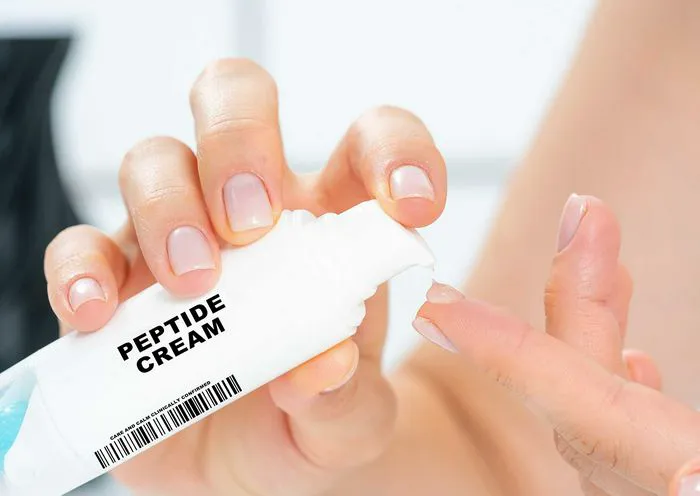
2. Peptides
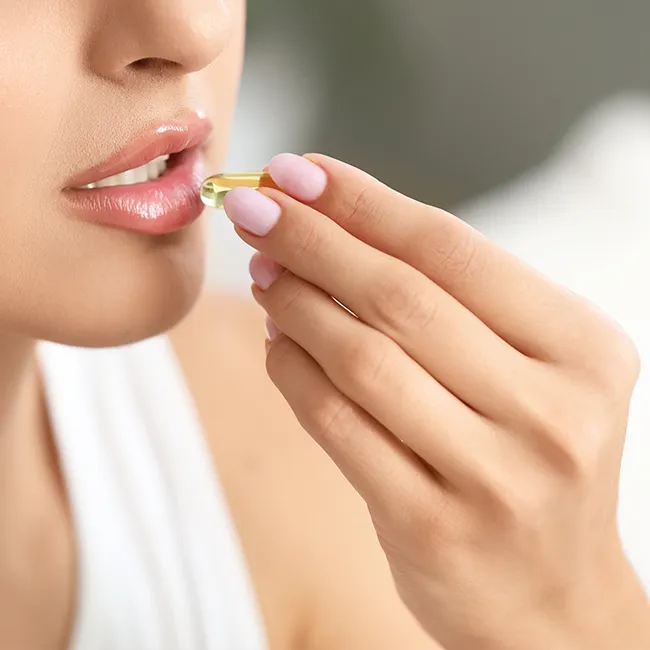
Peptides frequently show up in anti-aging serums and creams with claims that they can encourage collagen production and lead to firmer, smoother skin. The reality is more complicated. Peptides are short chains of amino acids, and while certain peptides have shown promising effects in laboratory studies and some clinical research, the evidence varies considerably depending on the specific peptide, its concentration, formulation, and ability to reach its intended target in the skin. Simply seeing “peptides” on an ingredient list doesn’t guarantee dramatic wrinkle reduction. A well-formulated peptide product may be a useful addition to your routine, but peptides generally don’t have the same depth of evidence for treating signs of photoaging as ingredients such as retinoids.
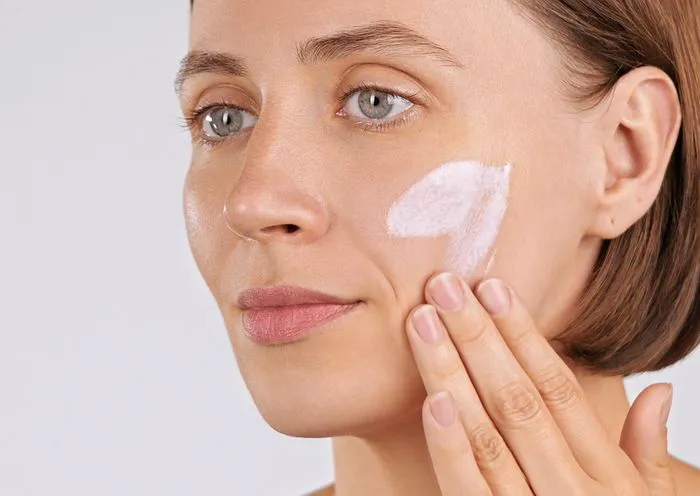
3. Topical Collagen
Collagen sounds like an obvious choice for aging skin—we lose collagen as we get older, so why not put it back? Unfortunately, applying collagen to the surface of your skin isn’t the same thing as replacing the collagen within its deeper layers. Collagen molecules are generally too large to penetrate intact skin deeply enough to replenish the structural collagen responsible for firmness and elasticity.
Topical collagen can still function as a moisturizer and film-forming ingredient, helping skin feel softer and appear temporarily smoother and plumper. But if your primary goal is stimulating your skin’s own collagen production and improving wrinkles over time, topical collagen is not the best-supported option.