




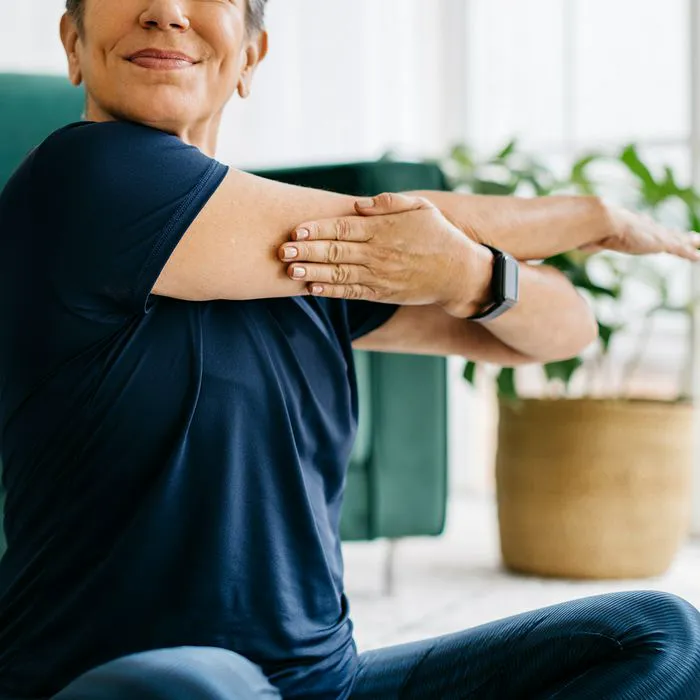
A strong core does much more than help you look toned—it supports your posture, improves balance, reduces the risk of falls, and can even ease everyday aches and pains. As we age, maintaining core strength becomes increasingly important, but many traditional ab exercises, like crunches and sit-ups, can put unnecessary stress on the neck and lower back.
The good news? You don’t need high-impact workouts or complicated equipment to strengthen your midsection. These four gentle, at-home exercises activate your core while minimizing strain, making them ideal for adults over 50.

Women Are Swapping Their Boring Water For This Ice Pop Electrolyte Mix!
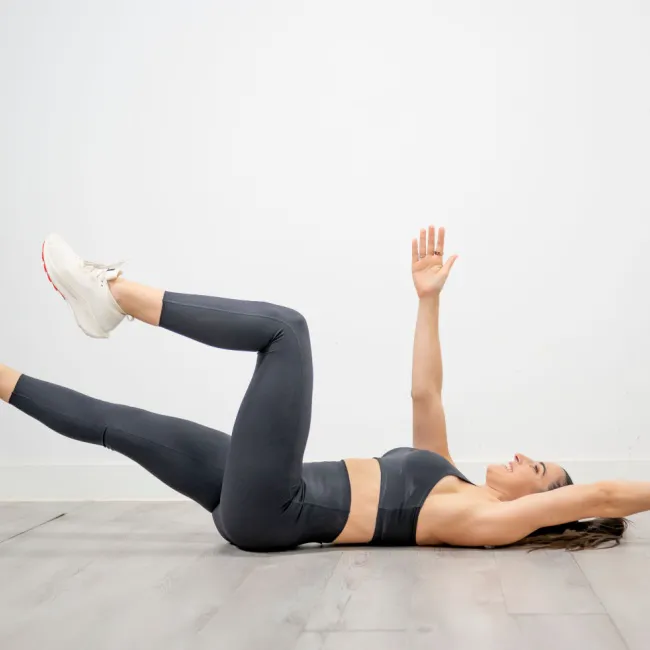
1. Dead Bug
Despite its unusual name, the dead bug is one of the safest and most effective core exercises for protecting the lower back.
Lie on your back with your knees bent at 90 degrees and your arms extended toward the ceiling.
Slowly lower your right arm behind you while extending your left leg toward the floor. Return to the starting position and repeat on the opposite side.
Move slowly and keep your lower back gently pressed into the floor throughout the exercise.
Why it works: It strengthens the deep abdominal muscles while improving coordination and spinal stability.
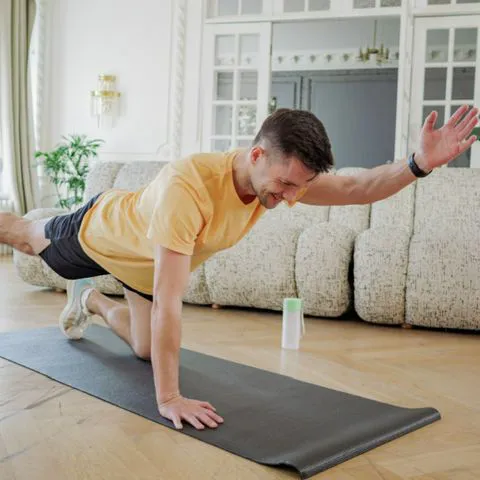
2. Bird Dog
The bird dog targets your core, glutes, and back muscles while promoting better balance.
Begin on your hands and knees with your spine in a neutral position. Extend your right arm forward while reaching your left leg straight behind you. Hold for a few seconds before returning to center and switching sides.
Avoid arching your back or lifting your limbs too high.
Why it works: It trains the muscles that stabilize your spine without placing pressure on your neck.
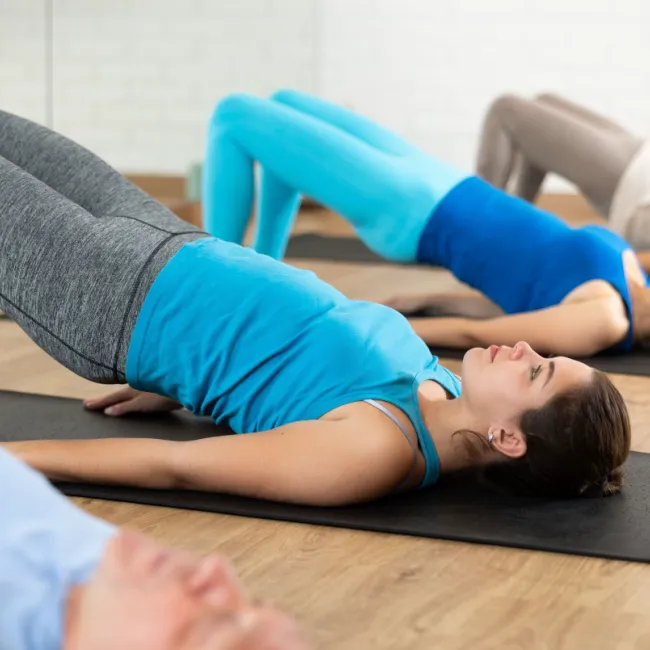
3. Glute Bridge
While often thought of as a lower-body exercise, the glute bridge also activates your core and supports spinal health.
Lie on your back with your knees bent and feet flat on the floor. Tighten your abdominal muscles and squeeze your glutes as you lift your hips until your body forms a straight line from your shoulders to your knees. Pause briefly before lowering with control.
Why it works: Strong glutes and a stable core work together to reduce stress on the lower back.
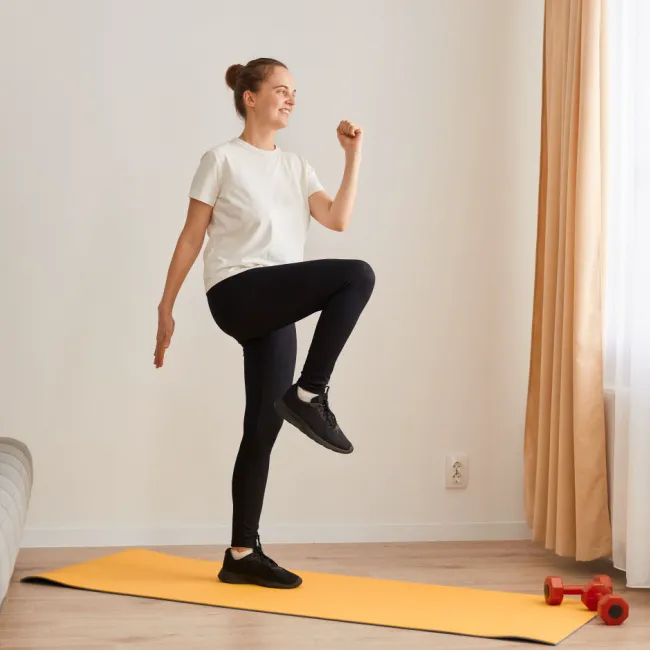
4. Standing March
If getting down on the floor isn't comfortable, a standing march is an excellent alternative.
Stand tall with your feet hip-width apart. Slowly lift one knee toward hip height while tightening your abdominal muscles. Lower it and repeat with the opposite leg.
For an added challenge, pause for a second at the top of each march.
Why it works: This move improves core stability, balance, and hip strength without placing strain on your neck or back.
The Bottom Line
Building core strength after 50 doesn't require painful crunches or intense workouts. Low-impact exercises like dead bugs, bird dogs, glute bridges, and standing marches can strengthen your abdominal muscles while supporting your back and improving everyday movement. As always, if you have chronic back pain, osteoporosis, or another medical condition, check with your healthcare provider or a physical therapist before starting a new exercise routine.