


Hair loss can feel overwhelming, but according to board-certified dermatologist Dr. Shirin Idris, the right supplements and treatments can make a major difference over time. After spending the last eight months on her own hair regrowth journey, Dr. Idris is opening up about what actually works—and what to avoid—when it comes to restoring thinning hair and encouraging new growth.
“Let me help you on your hair loss journey. I’ve been on mine for the past eight months, and I got here not just through hard work, but also through pills,” she says in a candid YouTube video.

Struggling With Sleep? This Rechargeable Sound Machine Is A Total Game-Changer

1. Start with Supplements
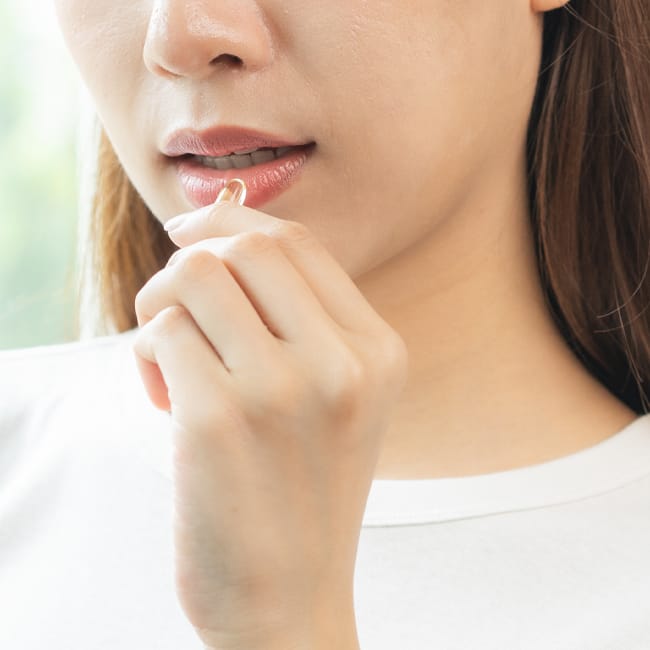
According to Dr. Idris, hair supplements are a great first step—especially those tailored for hair growth and hormone balance. “You can take prenatal vitamins like these, or you can take hair supplements like these,” she explains, showing her personal go-to: Nutrafol Vegan.
“I personally use the Nutrafol Vegan, which is much smaller than their regular ones, plus it has zero biotin—so it’s a win-win-win.”
While biotin is a popular hair supplement ingredient, it can interfere with lab results for some people. That’s why Dr. Idris prefers formulas without it.

2. Topical Treatments that Work
One of her biggest recommendations? Rogaine foam at 5% strength—regardless of gender.
“It doesn’t matter if you’re a man, a woman, or anything in between—use the Rogaine men’s strength at 5% every single night of the week,” she advises.
If nightly use is too much, she says that even applying it three to four times a week can still deliver results: “Something is better than nothing in the long run.”
Another scalp-friendly secret? Anti-dandruff shampoo. “It’s going to help not only keep your hair longer on your head, but also minimize dandruff,” she shares.

3. Retinoids and Prescription Options
Looking for next-level stimulation? Retinoids like retinal or retinol can boost hair follicle activity when applied directly to the scalp.
“Retina can also help stimulate hair follicles over time, or any sort of retinol on your scalp,” Dr. Idris explains. But she cautions against overdoing it with microneedling tools, which can do more harm than good: “Beware of constantly microneedling your scalp—you might be breaking your hair.”
Finally, for those considering prescription options, Dr. Idris mentions oral minoxidil, a pill-form version of Rogaine. “An oral prescription of oral minoxidil can make a difference—but you might grow hair elsewhere,” she notes with a smile.
Bottom Line
Hair regrowth isn’t one-size-fits-all—but according to Dr. Idris, combining supplements, topical treatments, and targeted prescriptions can transform your scalp over time. With consistency and the right products, she says, real change is possible: “Let me help you on your hair loss journey.”