




As we get older, maintaining a healthy gut becomes increasingly important—not just for digestion, but also for managing inflammation, supporting immunity, and maintaining a healthy weight. Research continues to show that the gut microbiome plays a major role in overall health, and certain foods can either nourish beneficial bacteria or disrupt the delicate balance.
For people over 50, making strategic food choices may help improve digestion, support metabolic health, and reduce stubborn weight gain that often becomes more common with age. Experts say some foods are packed with probiotics, omega-3s, and other gut-friendly nutrients, while others can promote inflammation, blood sugar spikes, and an unhealthy gut environment.
Below, doctors and nutrition experts share two of the best foods to add to your diet for better gut health and weight management, along with two common foods that may be doing more harm than good.

Women Are Swapping Their Boring Water For This Ice Pop Electrolyte Mix!

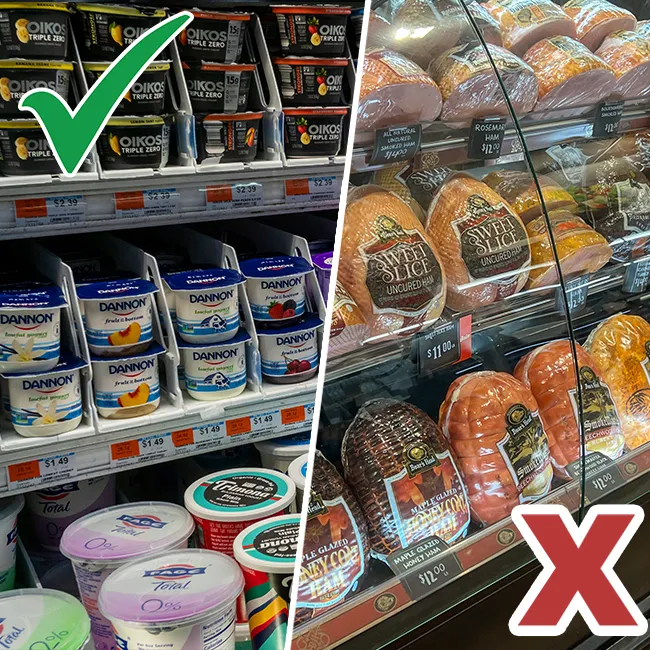
Best: Fermented Dairy (Greek Yogurt And Skyr)
Live-cultured yogurt can be especially beneficial for gut health.
"Yogurt contains live cultures like Lactobacillus and Bifidobacterium that support a balanced gut microbiome," says Dr. Valerie Pershad, a family practice physician with a functional medicine background. She notes these probiotics are associated with improved digestion, healthier metabolic markers, and a lower risk of becoming overweight. Yogurt also provides calcium and vitamin D, which are essential for bone health and immune support as we age.

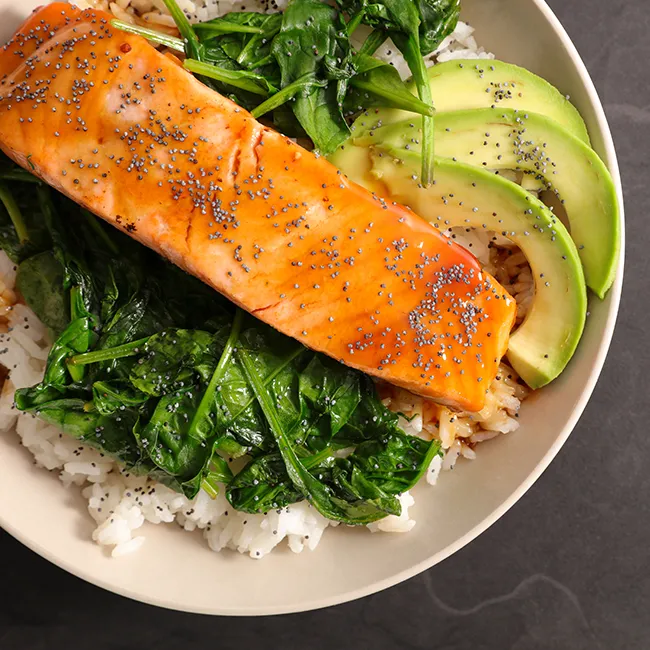
Best: Fatty Fish (Salmon, Sardines)
Fatty fish serves as a great lean protein option that supports gut health indirectly by reducing inflammation. "Fatty fish is an excellent source of omega-3 fatty acids, which can favorably alter gut microbial composition," Dr. Pershad explains. Omega-3s help regulate immune responses and maintain gut integrity.
You can bake, grill, or poach fatty fish twice a week, or flake it into salads with fiber-rich sides.

Worst: Processed Breakfast Meat
Packed with unhealthy additives, preservatives, and high levels of sodium, these meats can impact gut health and lead to bloating and inflammation. Furthermore, their high saturated fat content has been linked to increased abdominal fat deposition and weight gain.
"Eating too much processed red meat may cause unfavorable shifts in the microbiome, meaning more pathogenic bacteria and less healthy bacteria. Farmed-raised, highly processed meats come from animals who have been fed poor quality food and often have been injected with hormones and other chemicals. These components can affect your gut health and weight because they can drive inflammation all throughout the body," Abby Grimm, MS, RDN, LDN, IFNCP, notes.

Worst: Granola/Protein Bars
Despite its wholesome image, many store-bought granolas are filled with added sugars, unhealthy fats, and calorie-dense ingredients like nuts and dried fruits.
Krutika Nanavati, registered dietitian and nutritionist, states, "Often marketed as healthy snacks, granola bars can be calorie-dense due to added sugars, oils, and processed grains. Granola bars frequently contain concentrated forms of sugar like syrups and dried fruit, contributing to sugar overload and its associated gut health issues. Many granola bars use refined grains instead of whole grains, lacking fiber and promoting blood sugar spikes, potentially leading to weight gain and increased hunger."