

Holiday shopping time is officially here, and while there are probably a million things on your mind, cybersecurity should probably be one of them.
When we start online shopping for the holidays or even in-person shopping, we tend to share all sorts of information with various vendors and websites. Therefore, this time of year can be super risky when it comes to leaking private data or valuable information. We spoke with health experts about three mistakes commonly made during holiday shopping that can make you vulnerable to cybercriminals. Read more about them below.

Struggling With Sleep? This Rechargeable Sound Machine Is A Total Game-Changer

1. Allowing Retailers To Save Your Payment Info
These days, it's quite common to allow certain websites to keep hold of your payment information, especially sites like Amazon or other places where you might have a subscription. However, while holiday shopping, including on websites you don't frequently visit, you should avoid allowing them to store your debit or credit card information.
"Retailers make it easy to save your payment details, but every place your card is stored becomes another doorway for attackers," says cyber expert Cody Tyler. "A single breach can expose years of saved data. Use digital wallets or one-time payments instead of storing cards across dozens of sites."

2. Interacting With Suspicious SMS Messages
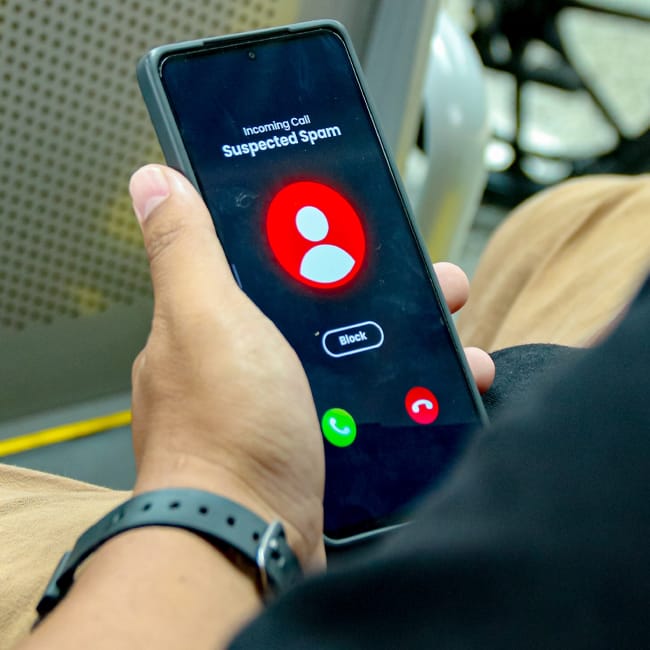
Since it's a popular time of year for shopping, it's also a popular time for scam texts and messages. Scammers have gotten more and more advanced, and might attempt to send you a text that looks like it's from one of your favorite stores or online shops. Tech experts are advising you to ignore them.
"Beware of SMS (aka text message) scams, especially because they often blend in with messages holiday shoppers would expect, like texts about deliveries, discounts, and payments," explains cyber threat analyst Stephanie Schneider. "The widespread adoption of AI-enabled phishing makes this threat even more dangerous. These tools enable cybercriminals to scale their operations while also making them more convincing, generating authentic-looking messages to steal financial information, credentials, and install malware."

3. Trust False Advertisements
Around this time of year, people are on the lookout for good deals, discounts, sales, and more. Some scammers, unfortunately, might try to get you to click on a suspicious link or visit an untrustworthy website under the guise of these deals via texts, ads, or emails.
"Emotions run high during the holidays, and attackers use this to their advantage," notes Tyler. "Fake flash sales, too-good-to-be-true discounts, and spoofed retailer texts are some of the fastest ways shoppers get trapped. The moment you feel rushed to click, you've already lost the advantage. Slow down and verify the source before you act. Think to yourself, Is this just too good to be true?"