




When taken in moderation under the guidance of your doctor, supplements can be a great addition to your health regimen. However, as with anything you put into your body, it’s important to be aware of the potential risks. When consumed too frequently in high doses, certain supplements can cause damage to your organs; many can impact your liver and kidney health, in particular.
We spoke to physician Dr. Erik Natkin; Jesse Feder, RDN, CPT; and Dr. Rimas Geiga to shed some light on a few supplements that could be pose a risk to your kidneys and liver if you’re not careful. Find all of their warnings below.

Women Are Swapping Their Boring Water For This Ice Pop Electrolyte Mix!

1. Kava
Kava is a popular anti-stress supplement that many people consume in order to bring a sense of calm to their brain and body. "Kava, which is typically consumed as a tea, is a supplement known to promote relaxation," Feder explains. Unfortunately, though, this relaxation could come with a risk; "Consuming kava regularly has been shown to affect enzyme and antioxidant activity in the liver which can lead to liver damage." Yikes! On top of this, kava could also pose a risk to your kidneys. "Kava may decrease blood flow to the kidneys and cause increases in harmful metabolites which can also damage them," Feder warns. Like any other supplement, you should always stick to recommended doses when consuming kava. Additionally, it's important to choose high-quality, reputable brands to ensure your safety.
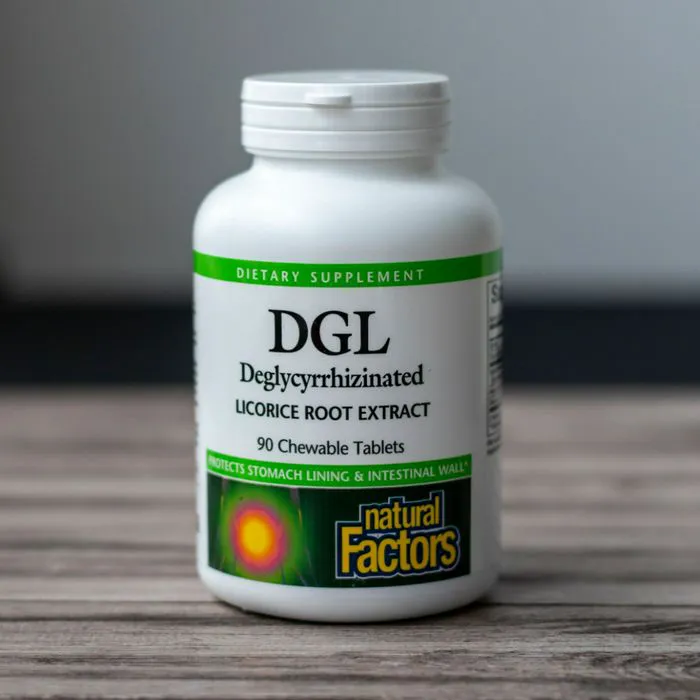
2. Licorice Root
Licorice root, when consumed in large amounts or over extended periods, can cause potassium depletion and elevate blood pressure, potentially leading to kidney damage or worsening existing kidney conditions. "Licorice root can be harmful to kidney health due to its effect on potassium levels and blood pressure," warns Dr. Geiga. For digestive health, consider alternatives like chamomile or fennel tea, which can soothe the stomach without the risks associated with licorice root.
3. Comfrey
Comfrey contains pyrrolizidine alkaloids, which can be highly toxic to the liver. Dr. Erik Natkin points out that "comfrey can cause liver inflammation and veno-occlusive disease," a condition where veins in the liver become blocked. Both the FDA and the European Medicines Agency (EMA) have issued warnings about the hepatotoxic potential of comfrey, urging consumers to avoid it, he says.
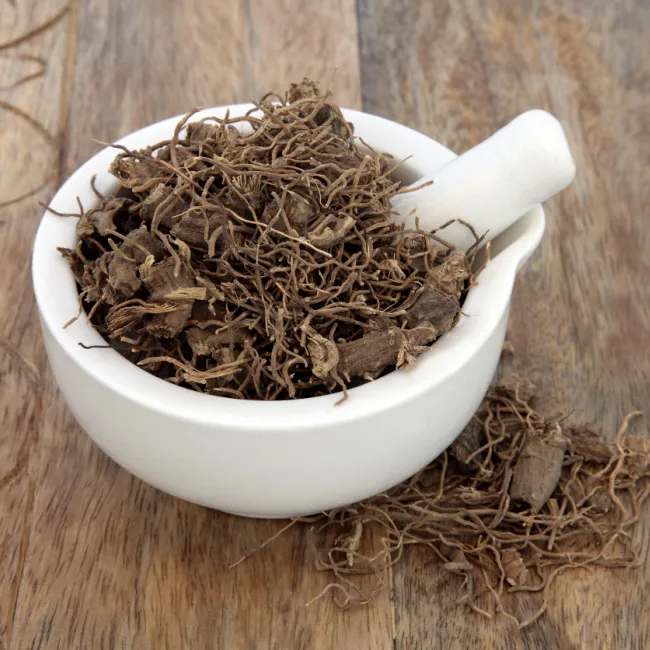
4. Black Cohosh
Black Cohosh is one supplement that has been associated with liver damage. According to Dr. Natkin, "Black Cohosh has been linked to multiple cases of liver damage, particularly in people with existing liver disease or those taking other hepatotoxic medications." This makes it a risky choice, especially for individuals already managing liver health issues.