




When you’re trying to lose weight, you might think the most important thing to do is cut calories and increase protein. But it’s important not to forget how crucial fiber is. In fact, failing to fit enough of this commonly overlooked macronutrient into your diet could be what’s holding you back from your weight loss goals.
According to Dr. Savita Srivastava, fiber plays a major role in supporting the body’s metabolism, gut health, and ability to regulate hunger. Skimping on fiber may make weight loss more difficult by disrupting the gut microbiome, increasing cravings, and slowing digestion. Here’s what Dr. Srivastava says happens when you don’t get enough fiber—and how adding more can support your weight loss goals.

Women Are Swapping Their Boring Water For This Ice Pop Electrolyte Mix!

Low Fiber Can Make It Harder To Feel Full
One of the biggest challenges of a low-fiber diet is that it can interfere with the body’s natural hunger signals.
"When people restrict their diet for weight loss, fiber is often the first important nutrient that is neglected; yet it is the exact fuel that feeds metabolic health for successful and sustainable weight loss," Dr. Srivastava explains.
Fiber feeds beneficial bacteria in the gut, which produce compounds called short-chain fatty acids (SCFAs). "These SCFAs are crucial for weight management because they naturally trigger the release of GLP-1 and PYY, the hormones responsible for reducing ‘food noise’ and signaling fullness to the brain," she says.
When you don't eat enough fiber, your brain doesn't receive the signal to stop eating, which can lead to "intense cravings and hunger pangs."
Low Fiber May Slow Digestion And Weight Loss
When it comes to weight loss and low fiber intake, Dr. Srivastava says "the most immediate roadblock is the metabolic slowdown caused by a sluggish digestive tract."
As she explains, "Low fiber leads to delayed gut transit times, resulting in chronic constipation and bloating, which can make you feel heavy and discouraged, often masking actual weight loss progress on the scale."
So even if someone is making healthy changes, constipation and bloating can make it seem like their efforts aren’t working.
A Low-Fiber Diet Can Affect Your Gut Health
Fiber not only supports digestion, but also helps maintain a healthy and diverse gut microbiome.
"From a gastroenterology perspective, a low-fiber diet essentially starves your gut microbiome," Dr. Srivastava warns. "Furthermore, when microbes are starved of fiber, they begin to die off and in desperation begin to munch on the protective mucus lining of the gut, triggering low-grade systemic inflammation."
According to Dr. Srivastava, "a low diversity microbiome and low-grade inflammation are the hallmarks of weight loss resistance and obesity."
How To Add More Fiber To Your Diet
Here are some easy ways Dr. Srivastava recommends fitting more fiber into your diet.
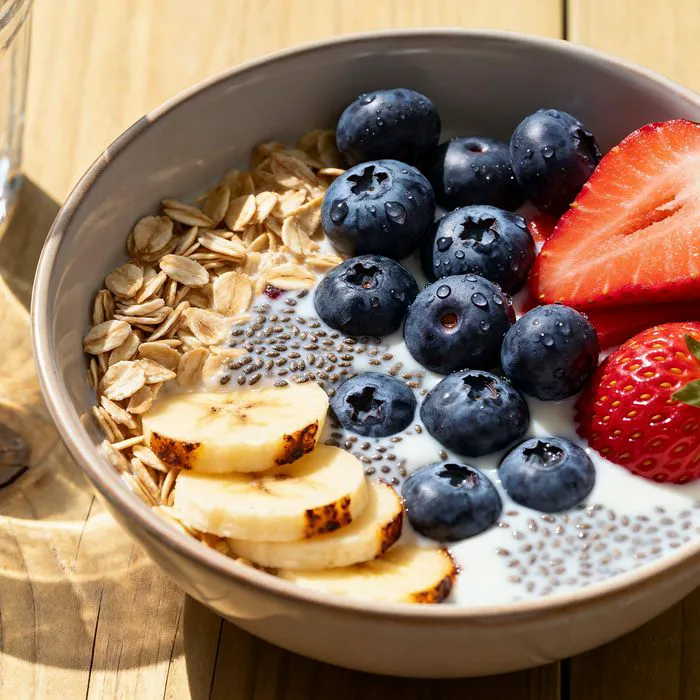
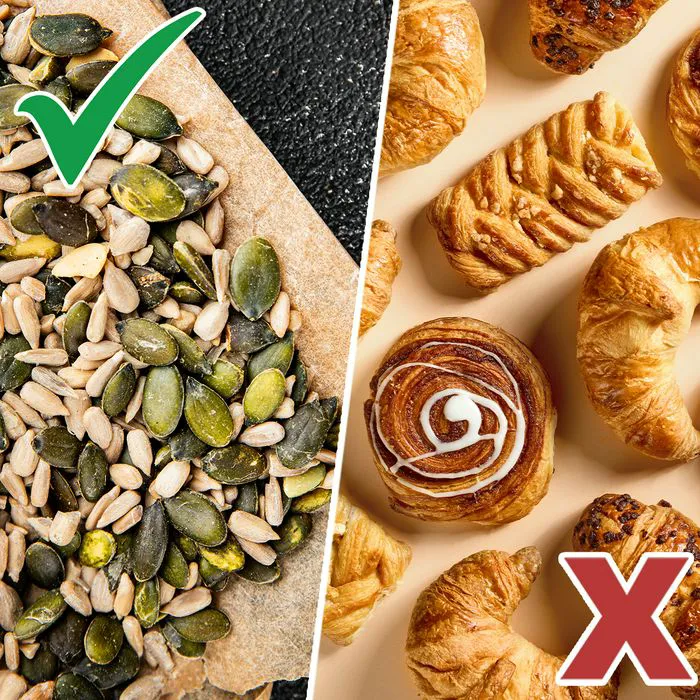
- Add seeds to breakfast: Sprinkle ground flaxseeds, chia seeds, or hemp hearts into oatmeal, yogurt, or smoothies for an easy boost of fiber and healthy fats.
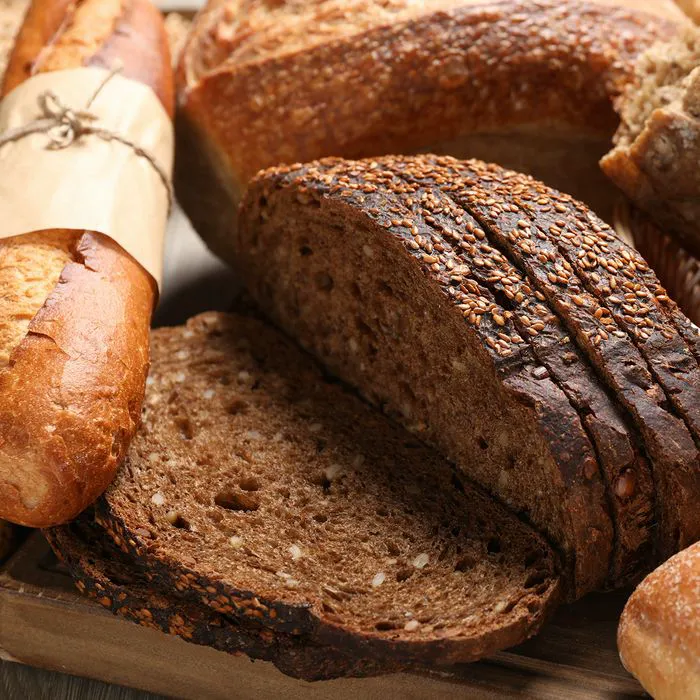
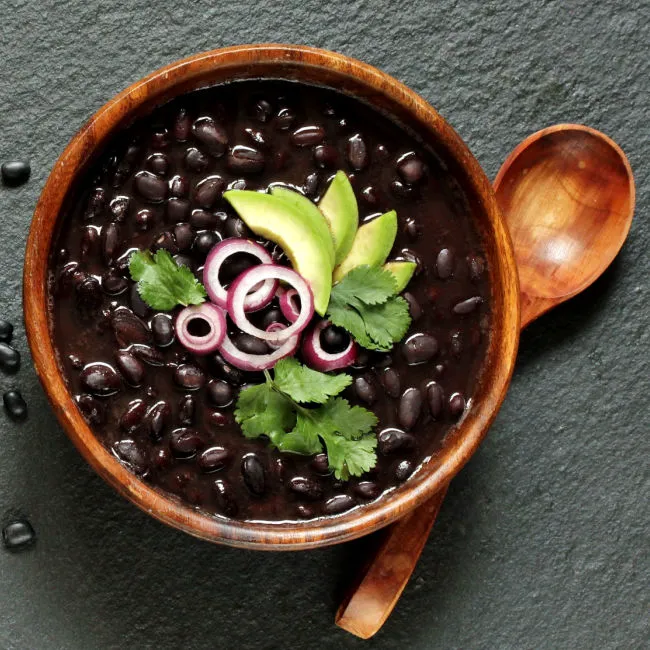
- Swap refined carbohydrates: Replace processed carbs like white rice or regular pasta with options like quinoa, farro, or black beans. "Legumes are an excellent weight-loss food because they provide a powerful combination of plant protein and prebiotic fiber," Dr. Srivastava says.
- Keep the skin on fruits and vegetables: Foods like apples, pears, and cucumbers contain extra fiber in their peels. "The peel contains dense structural fiber, which is the exact material your gut microbes need to thrive and keep your metabolism firing," she explains.
Delicious and nutritious!