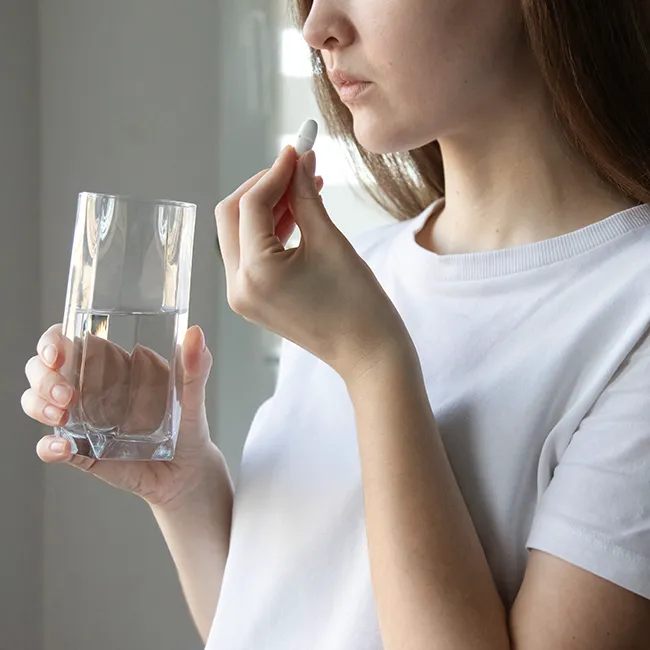






As you navigate menopause and perimenopause, your body can experience hormonal shifts that impact everything from your sleep quality, energy, and mood to your metabolism. Fluctuating estrogen and progesterone levels are natural, but certain habits can make them more intense and harder to manage.
We spoke to Francesca Lyon, a nutritionist specializing in perimenopause and restoring natural ovulatory cycles at FUTURE WOMAN, a leading women’s hormone clinic lifestyle, to highlight a few choices can play a large role in your hormones during menopause. Here are four common habits Lyon says may be disrupting your hormones during menopause—and what to do instead.

Women Are Swapping Their Boring Water For This Ice Pop Electrolyte Mix!

1. Drinking Alcohol
That evening glass of wine may feel relaxing, but it could be working against your hormonal health.
"Alcohol doesn't just affect how you feel the next day," Lyon explains. "It can be one of the biggest disruptors of hormonal health, compromising sleep, draining cellular energy production, and slowing liver processes that help maintain hormonal balance."
During perimenopause and menopause, alcohol can worsen many of the symptoms women already struggle with. According to Lyon, it can disrupt blood sugar balance, contribute to weight gain, increase histamine levels, and intensify symptoms such as migraines, breast tenderness, and heavy periods.
"It also places extra strain on the liver, reducing its ability to effectively clear used estrogen from the body," she says. "When estrogen detoxification is compromised, hormonal symptoms can be much more pronounced."
Lyon recommends swapping alcohol for hormone-friendly alternatives such as sparkling water with lime, alcohol-free botanical beverages, or kombucha if histamine sensitivity isn't a concern.
"Instead of alcohol, which slows down the liver's ability to detoxify used hormones, opt for hydrating, hormone-friendly alternatives," she says. Count us in!

2. Eating High-Carbohydrate Breakfasts Without Protein
We love cereal and pastries as much as the next girl, but these processed carbs can spike your blood sugar and disrupt your hormones, especially during menopause.
"Breakfasts that are high in carbohydrates or sugar cause rapid blood sugar spikes and subsequent crashes," Lyon says. "The body views these crashes as a stressor, triggering the release of cortisol to bring blood sugar back up."
This becomes especially problematic during menopause because declining estrogen and progesterone levels can increase the risk of insulin resistance.
"Constantly spiking your blood sugar dramatically worsens this insulin resistance," Lyon explains. "High insulin blocks the breakdown of stored fat, driving stubborn abdominal weight gain, and increases systemic inflammation, which can exacerbate hot flushes, brain fog, and heavy periods."
Rather than starting the day with a carb-heavy meal, Lyon recommends prioritizing a high-protein breakfast.
"At FUTURE WOMAN some of our favorite options include eggs with vegetables, a protein smoothie with berries and nut butter, or chia seed puddings," she says. "This habit sets you up for stable blood sugar throughout the entire day, which reduces insulin resistance and helps prevent stubborn abdominal weight gain."

3. Drinking Coffee on an Empty Stomach
If your morning routine begins with coffee before breakfast, you may be increasing stress on your body.
"Caffeine acts as a stimulant that disrupts blood sugar control and pushes your nervous system into a 'fight or flight' state by spiking your stress hormones, cortisol and adrenaline," Lyon says.
During menopause, the body's stress response is already under additional strain. Lyon explains that as progesterone levels decline, the communication pathway between the brain and adrenal glands becomes less stable.
"As progesterone drops during menopause, the communication pathway between your brain and adrenal glands (the HPA axis) becomes destabilized, leaving you with a decreased ability to handle stress," she says.
The result can be heightened anxiety, poorer sleep, and worsening blood sugar control. For this reason, Lyon recommends waiting at least two hours after waking before having coffee and always drinking it alongside food.
"Always drink your coffee after you have eaten a meal," she says. "To further protect your blood sugar and soothe your nervous system, try adding healthy fats like MCT oil, cream, or high-quality nut milk to your coffee, and stick to a maximum of one cup a day before midday."

4. Using Synthetic Fragrances
Believe it or not, many common household and personal care products may expose you to hormone-disrupting chemicals.
"Many everyday personal care and household cleaning products contain synthetic fragrances that contain chemicals like phthalates and parabens," Lyon says. "These chemicals act as 'xenoestrogens,' meaning they are endocrine disruptors that artificially mimic estrogen in the body."
Because estrogen levels can fluctuate dramatically during perimenopause, added exposure to estrogen-like chemicals may make symptoms worse.
"When you are exposed to xenoestrogens, these chemicals bind to your estrogen receptors and interfere with natural hormone regulation," Lyon explains. "This added artificial estrogen load can increase inflammation, create metabolic challenges, and severely exacerbate perimenopausal symptoms like hot flushes, mood swings, and irregular bleeding."
Lyon suggests switching to fragrance-free beauty and cleaning products whenever possible.
"Swap out artificially scented candles, body washes, and household cleaners for fragrance-free alternatives," she says. "If you miss the smell, you can add a few drops of pure essential oils to unscented products."
However, she notes that even natural fragrances should be used thoughtfully, as some essential oils may still have mild effects on the endocrine system.
Ultimately, while menopause is a natural life stage, daily habits can influence how smoothly the transition unfolds. According to Lyon, reducing alcohol intake, prioritizing protein-rich breakfasts, delaying caffeine until after eating, and minimizing exposure to synthetic fragrances may help support hormone balance and ease common menopausal symptoms. Small changes may not eliminate hormonal fluctuations, but they can help create a healthier environment for your body to adapt to them.