



If your fat loss progress feels slow or inconsistent—or if it feels nonexistent—you’re not alone. Many people struggle to lose weight at a decent pace and keep it off. You may think this means you’re body is “broken,” blaming your metabolism or hormones. But in reality, a few daily habits could be undermining your results.
Fat loss and mindset coach Amanda Dobler (@amandadobler) recently shared a tongue-in-cheek TikTok outlining all the things she’d do “if I wanted to gaslight myself into believing that my body is broken rather than just thinking that my approach to fat loss sucks.” Her tough love could be the reminder you need to stay on track. Find seven of the most common self-sabotaging habits Dobler calls out below.

Struggling With Sleep? This Rechargeable Sound Machine Is A Total Game-Changer

1. Ignoring Portion Sizes
One of the biggest traps Dobler points out is eating "clean" but not paying attention to how much food you’re actually consuming. "I would eat clean but I would never pay attention to any portions," she says. This is a mistake many health-conscious people make: assuming whole, minimally processed foods can’t lead to weight gain. The truth is that even nutritious foods like nuts, hummus, avocado, and whole grains can cause your calorie intake to skyrocket and stall fat loss. So pay attention to those portion sizes!

2. Blaming Hormones Alone
Dobler also points out the contradiction of blaming hormones while sticking to a plethora of unhealthy habits: "I would blame my hormones for the reason I can’t lose weight but also have some wine every night and pick at some snacks." Alcohol, late-night snacks, and other poor eating habits can all disrupt appetite hormones like leptin and ghrelin. This can lead to increased cravings, poor sleep, and water retention that causes bloating and puffiness. While it's true that your natural hormone shifts can play a role in your ability to lose weight, you should start by assessing your lifestyle.

3. Underestimating How Much You Actually Eat
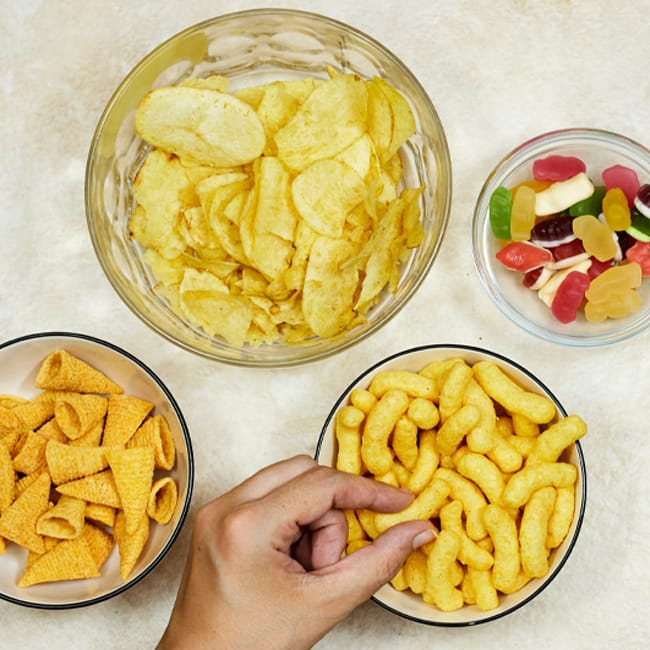
Dobler calls out a common (often false) claim: "I barely eat anything." In reality, most people overlook a lot of their diets. "I would say that I barely eat anything but I would also forget about all the bites and snacks," she says. Those mindless bites, like giving your food a taste while you're cooking or grabbing a piece of candy at work, add up fast. They could even compile to hundreds of calories a day—which may eliminate your perceived calorie deficit! When someone truly believes they "barely eat," it becomes harder to see where adjustments can help.

4. Tracking Only on Good Days
Another major roadblock to weight loss progress is inconsistent tracking. Dobler says, "I would track everything besides the weekends and vacations and any time I go out to dinner." Many people track closely during the week, then let go once Friday night hits. Weekends tend to include more indulgence: meals at restaurants, alcohol, snacks, and desserts. All of these have far more calories than home-cooked foods. Without tracking these days, it's easy to feel like you're working hard without seeing any payoff.

5. Mislabeling Cravings as 'Intuitive Eating'
Intuitive eating is a legitimate, research-backed approach, but Dobler reminds people that it only works when hunger and fullness cues are well-developed. Otherwise, it becomes an excuse to indulge cravings. "I would tell everyone I eat intuitively because I know what my body wants and that means Doritos at 9 AM." Many people mistake emotional hunger, boredom eating, or impulse cravings as "intuition." Without structure, this leads to energy swings, overeating, and the feeling of being "out of control" around food, even if the intention was good.
6. Blaming a Slow Metabolism
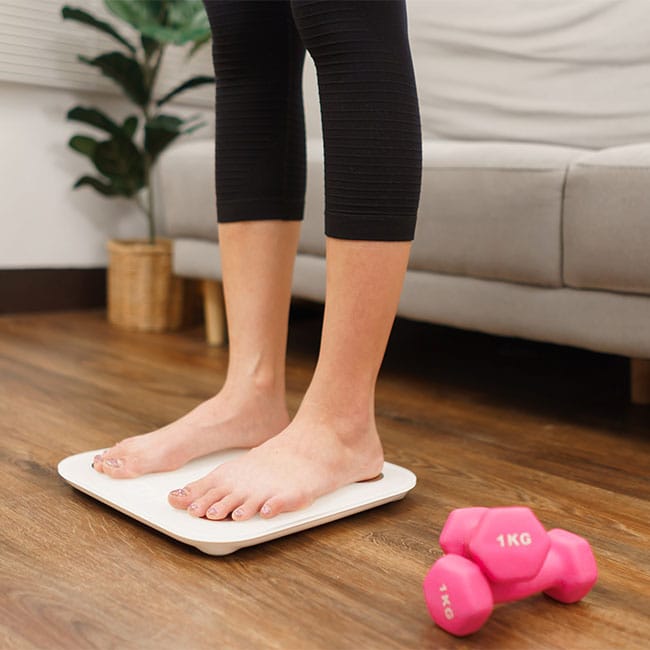
Dobler also calls out the myth of a mysteriously slow metabolism. "I would tell everyone my metabolism has slowed down but the reality is I just haven’t walked more than 5,000 steps in like five years." Activity level is one of the biggest factors in your metabolism. If you don't fit a lot of movement into your day, you're likely to experience gradual weight gain or have a hard time losing weight even if you're eating fewer calories. Exercise doesn’t need to be extreme; simply increasing the number of steps you take can improve calorie burn! Try an after-dinner walk.

7. Complaining About Everything but Refusing to Change Anything
Finally, Dobler captures the ultimate self-sabotage pattern: wanting results without making the necessary changes. "I would complain about everything but refuse to change a single thing." The truth is that fat loss requires consistency and some discomfort—not extreme dieting, but willingness to make real changes. Without changing your behaviors, no amount of complaining will move the needle. Ultimately, Dobler reminds us that denial keeps you exactly where you are.