




If you’ve been dealing with constant bloating, sluggish digestion, or that uncomfortable “heavy” feeling after meals, your gut could be trying to tell you something. The good news? You don’t need a complete diet overhaul to start feeling better. According to nutrition experts, adding the right foods to your routine can naturally support digestion, balance your gut microbiome, and even help reduce inflammation over time.
Ahead, nutritionists break down five powerful foods that can help improve gut health, ease bloating, and keep your digestive system running smoothly.

Women Are Swapping Their Boring Water For This Ice Pop Electrolyte Mix!

1. Kimchi
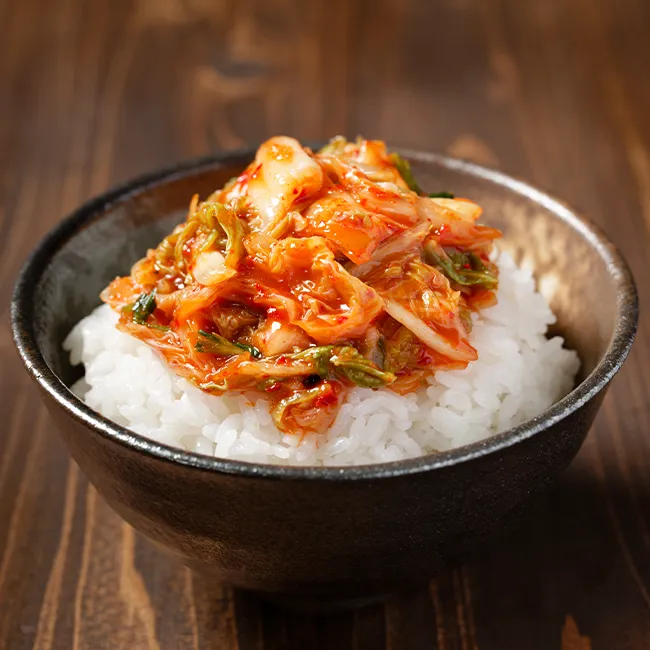
Kimchi is a traditional Korean dish that fits into a range of meals and can do wonders for your gut health—plus, it's delicious. Nutritionist Lisa Richards, author of The Candida Diet, describes it as "a fermented side dish made of various vegetables, but primarily cabbage" and notes that kimchi is "becoming popular for its health benefits, specifically for gut health." This dish is perfect for those who love spicy foods. It goes great with a bowl of rice, in a stew, with eggs, or even on its own. Yum!
There's one thing to keep in mind when shopping for kimchi: Sheri Kasper, RDN, LDN of Cleveland Kitchen, reminds us to keep an eye out for options labeled as "raw and unpasteurized," as these will offer the most benefits for your gut health. Additionally, remember that heat kills probiotics, so eating kimchi raw is always the best option.

2. Ginger Tea
Ginger tea emerges as a noteworthy gut-healing beverage renowned for its efficacy in addressing bloating and belly fat concerns. This aromatic infusion contains bioactive compounds with anti-inflammatory and digestive properties, making it a valuable ally for gastrointestinal health.
"Gingerol, a bioactive compound in ginger, possesses anti-inflammatory and anti-nausea properties. Ginger tea can calm the digestive tract, alleviate gas and bloating, and promote gut motility. Ginger's anti-inflammatory and carminative (gas relieving) properties can directly address bloating discomfort," Krutika Nanavati, a registered dietitian and nutritionist, says.
She also adds that "while not a magic bullet for weight loss, ginger tea's ability to improve digestion and potentially reduce inflammation may indirectly contribute to long-term belly fat reduction."

3. Yogurt
The probiotics in yogurt help maintain a healthy gut, which is linked to brain health through the gut-brain axis.
"Yogurt, rich in probiotics like Lactobacillus and Bifidobacterium, supports cognitive health by promoting a balanced gut microbiome. This balance is crucial for reducing inflammation and maintaining brain function through the gut-brain axis. The probiotics in yogurt help regulate neurotransmitters, including serotonin, which is essential for mood regulation and emotional well-being," says Dr. Sham Singh from Winit Clinic.

4. Miso soup
The probiotics in miso support gut health, which can positively affect brain function, potentially helping to preserve memory and cognitive clarity. Additionally, miso's antioxidants and healthy compounds may help reduce inflammation and support heart health.
"Miso soup is a Japanese staple made from fermented soybeans. It's rich in probiotics, particularly strains that thrive in salty environments. Miso soup aids in digestion and helps reduce bloating by fostering a healthy balance of gut bacteria," Johanna Angman, a registered dietitian and nutritionist, notes.
5. Cantaloupe
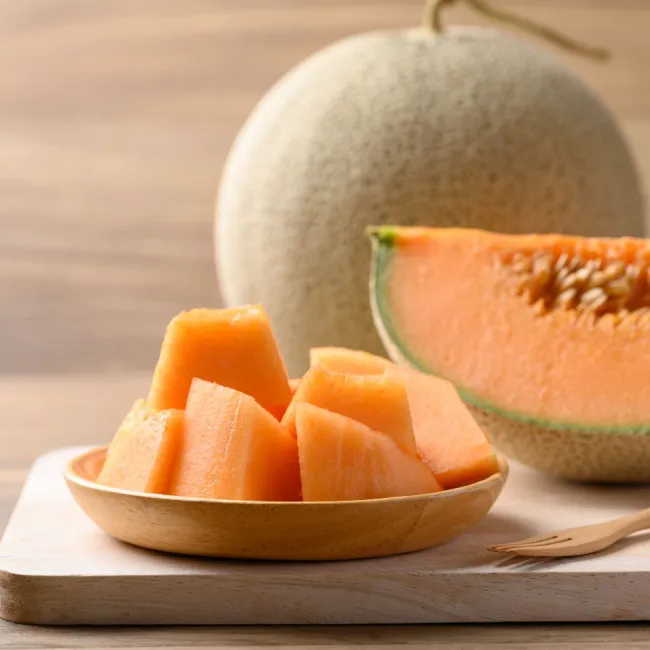
Don't sleep on melons! Gervacio says that cantaloupe, in particular, is a fantastic option. Not only is it a delicious, refreshing fruit that makes a perfect addition to your breakfast, but it can also help relieve digestive discomfort thanks to the fact that it's ultra-hydrating.
"It has a high water content which contributes to hydration," Catherine Gervacio, RD, explains. "Maintaining proper hydration is important to balance the electrolytes in the body. This balance can result in normal cellular function and fluid distribution, helping to prevent water imbalances that can cause bloating." Perfect!