


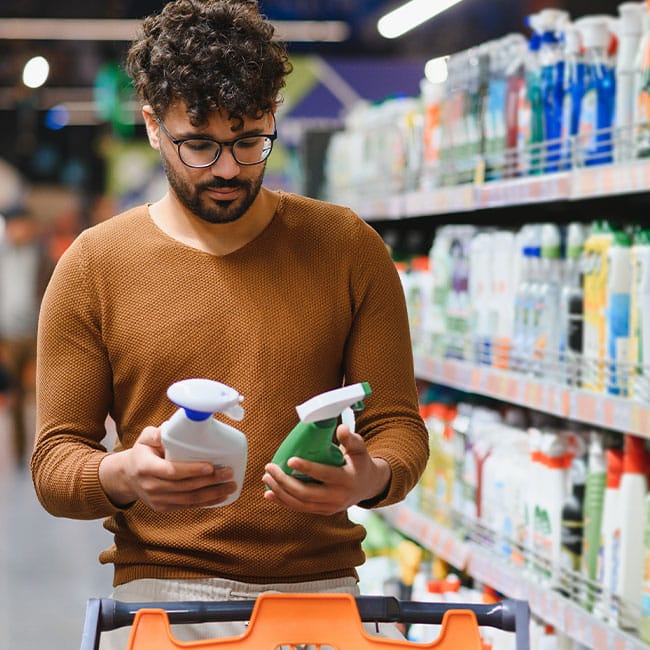
Household cleaning products are supposed to make your home healthier, not harm your health—but several experts warn that some of the most commonly used cleaners may carry serious cancer risks. Here’s what to avoid and what to use instead, according to environmental health groups and medical specialists.

Struggling With Sleep? This Rechargeable Sound Machine Is A Total Game-Changer

Why You Should Stop Using These 4 Cleaning Products
1. Bleach-Based Cleaners Bleach (sodium hypochlorite) is a staple in many homes, but it comes with serious concerns. According to the EWG (Environmental Working Group), some cleaners release byproducts that are known or probable carcinogens, including formaldehyde and volatile organic compounds (VOCs). Additionally, mixing bleach with other cleaners—especially those containing ammonia—can produce toxic gases like chloramine or chlorine gas, which pose both immediate health risks and long-term concerns
2. Ammonia-Based Cleaners Ammonia is commonly used in glass and multipurpose cleaners, but inhaling its fumes can irritate the lungs, eyes, and throat—and when combined with bleach, it creates chloramine gas, a dangerous respiratory irritant. Long-term exposure to airborne irritants is linked to respiratory problems, but some experts also highlight its potential contribution to overall chemical burden in the home.
3. Fragrance-Heavy & Antibacterial Cleaners Many products labeled with “scent” or “fresh” hide a cocktail of potentially harmful chemicals. According to the EWG, fragrances may contain formaldehyde-releasing agents like bronopol, which is a known carcinogen. Antibacterial cleaners often rely on compounds like triclosan, which has been linked to hormone disruption, antibiotic resistance, and possible cancer risks.
4. Drain Cleaners & Oven Cleaners with Harsh Acids Many strong drain cleaners use harsh chemicals like sodium hydroxide or sulfuric acid, which can cause severe burns, respiratory damage, and over time may be linked with cancer-related risks because of repeated exposure. The combination of these aggressive formulas, poor ventilation, and frequent use can increase chemical exposure in the home.

Safer Cleaning Products to Try Instead
1. Fragrance-Free, ECO-Certified Cleaners The American Lung Association recommends choosing cleaning products labeled “pump spray” over aerosol to reduce VOC inhalation. Look for products without added fragrance or synthetic dyes. Using safer brands with transparent ingredient lists can dramatically reduce exposure to carcinogenic compounds.
2. Homemade DIY Cleaners Vinegar and baking soda are powerful, non-toxic alternatives. The EWG Guide to Healthy Cleaning encourages people to use these simple, affordable ingredients as safer cleaning options. Other natural disinfectants like tea tree oil or undiluted hydrogen peroxide can be used for regular cleaning without harsh chemical byproducts.
3. Non-Chlorine “Bleach Alternatives” Instead of traditional bleach, experts suggest using oxygen-based bleaches (like sodium percarbonate) or acid-based products (such as citric or oxalic acid) when needed. These alternatives are less likely to release chlorinated byproducts or cancer-causing agents.