

When it comes to lowering your risk of cancer, what you don’t eat can be just as important as what you do.
Certain foods can trigger inflammation in the body, which is already painful and uncomfortable enough. Over time, chronic inflammation has been linked to serious health issues like cancer and heart disease. Some of these foods could be in your everyday diet, and if you’re interested in not only lowering any inflammation in your body but also your risk of developing cancer, you may want to consider cutting them out or eating them in moderation.
To learn more about five “inflammatory foods” to scale back on, we spoke with Dr. Donald Barry Boyd, a Yale Cancer Center medical oncologist. From charred burgers to processed snacks, these five foods could make a big difference in the state of your health. Read more about them below.

Struggling With Sleep? This Rechargeable Sound Machine Is A Total Game-Changer

1. Processed Meats
Processed meats like bacon, ham, pepperoni, and hot dogs have long been linked to cancer risk, especially when eaten regularly. According to Dr. Boyd, it's not just what you eat but how often, and it's no secret that when you eat a whole lot of processed meat products, you put yourself at risk.
Daily intake of these meats can significantly increase your risk over time due to harmful preservatives like nitrites and nitrates. These compounds can form secondary carcinogens in the body, such as NDMA, which have been closely associated with colorectal cancer. Occasional indulgence may not pose a major threat, but consistent consumption could have lasting effects. Therefore, maybe keep the rest of your summer hot dog binges spare.

2. Overcooked & Charred Meat
Now that outdoor barbecue and grilling season is in full swing, many of us are enjoying foods like hamburgers, chicken, or ribs that are "charred" on the outside. However, that char can do more harm than good. Overcooking or charring meat, especially on the grill, can lead to the formation of harmful compounds like polycyclic aromatic hydrocarbons (PAHs), which have been linked to cancer.
"There is also concern that the high saturated fat content of red meat may increase both cardiovascular and cancer risks," Dr. Boyd explains. So, the next time you're enjoying some food from a barbecue, just be sure to watch how charred it gets, and keep things at a more normal temperature.

3. Alcohol
Dr. Boyd notes that "alcohol is linked to multiple cancers," including "liver, colorectal, breast, head and neck, esophageal." For a while, health experts believed that having little to moderate amounts of alcohol in your diet is fine and shouldn't do too much to increase your cancer risk. In fact, at one time, people even thought that red wine was a 'healthy' type of alcohol that could be good for you. But now, health experts and studies are warning that consuming any amount of alcohol is bad for your health and can increase your risk of cancer and other diseases to some degree.
The oncologist notes that alcohol is a "proinflammatory" product, and if you want to lower the amount of inflammation in your body, swap out booze for mocktails or stick to more natural beverages in your daily routine.

4. Sugary Foods And Beverages
It's no secret these days that refined sugars are no good for our diet, and not only can they lead to weight gain and insulin resistance, but eventually, those symptoms and health conditions can lead to cancer.
Dr. Boyd notes that "weight gain is associated with increased risk factors, including insulin resistance associated with multiple cancers."
He also adds that consumer foods and drinks that are high in added, refined sugar "may enhance intake of higher concentrated carbs in general, which lead to weight gain and secondary cancer risks." You should talk to your doctor about the amount of sugar you should be consuming in a day, and be extra careful to read food labels and watch the amount of added sugar that goes into some of your favorite daily snacks and drinks.

5. Processed Foods
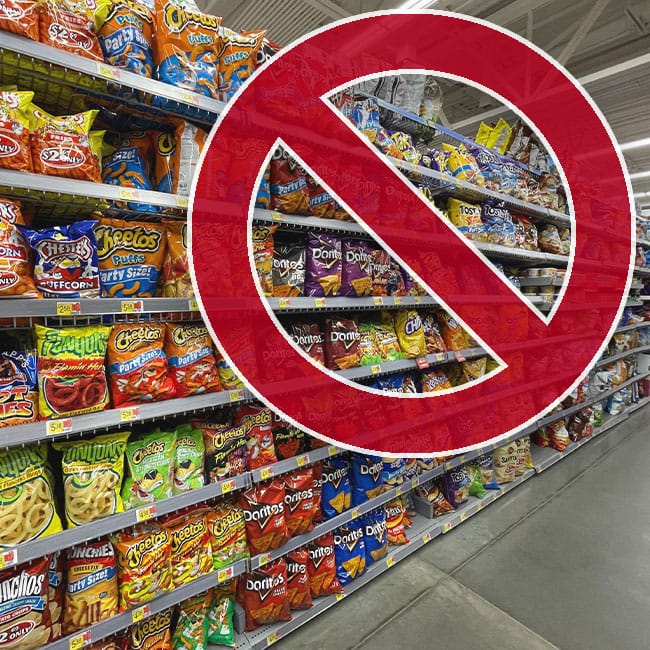
We are living in a world where processed foods and snacks are normal. Our grocery stores are filled with them, and whether we care to admit it or not, they do provide a quick and easy way to get food in. However, if you're dealing with inflammation or want to work on decreasing the amount of cancer-causing foods you have in your diet, you'll want to cut back on how many processed foods and snacks you consume.
"Lower nutrient, higher calorie intake, partly through high 'empty calories,' potentially lower micronutrient levels with anticancer effects," explains Dr. Boyd. The oncologist suggests switching to a healthy, more plant-based diet that does not include "highly processed" foods.