


Supplements can become trendy for a little while before fading into the distance. Over the past few years we’ve watched as supplements like ashwaghanda, creatine, and magnesium have enjoyed their time in the sun. This isn’t to suggest they aren’t worth using now that their heyday has passed, but one supplements has surpassed all other as the one we’re all talking about: NAD+, or Nicotinamide adenine dinucleotide.
This molecule is being hailed as a science-backed support for aging concerns. Some are even going as far as calling it a “fountain of youth.”
@
We don’t want to get ahead of ourselves (sorry to burst bubbles). More research is needed on most supplements to determine whether they are truly as beneficial as we hope. In the meantime though, here’s what we do know about NAD+ so that you can determine if it’s a supplement worth checking in with your doctor about before trying for yourself.

Struggling With Sleep? This Rechargeable Sound Machine Is A Total Game-Changer
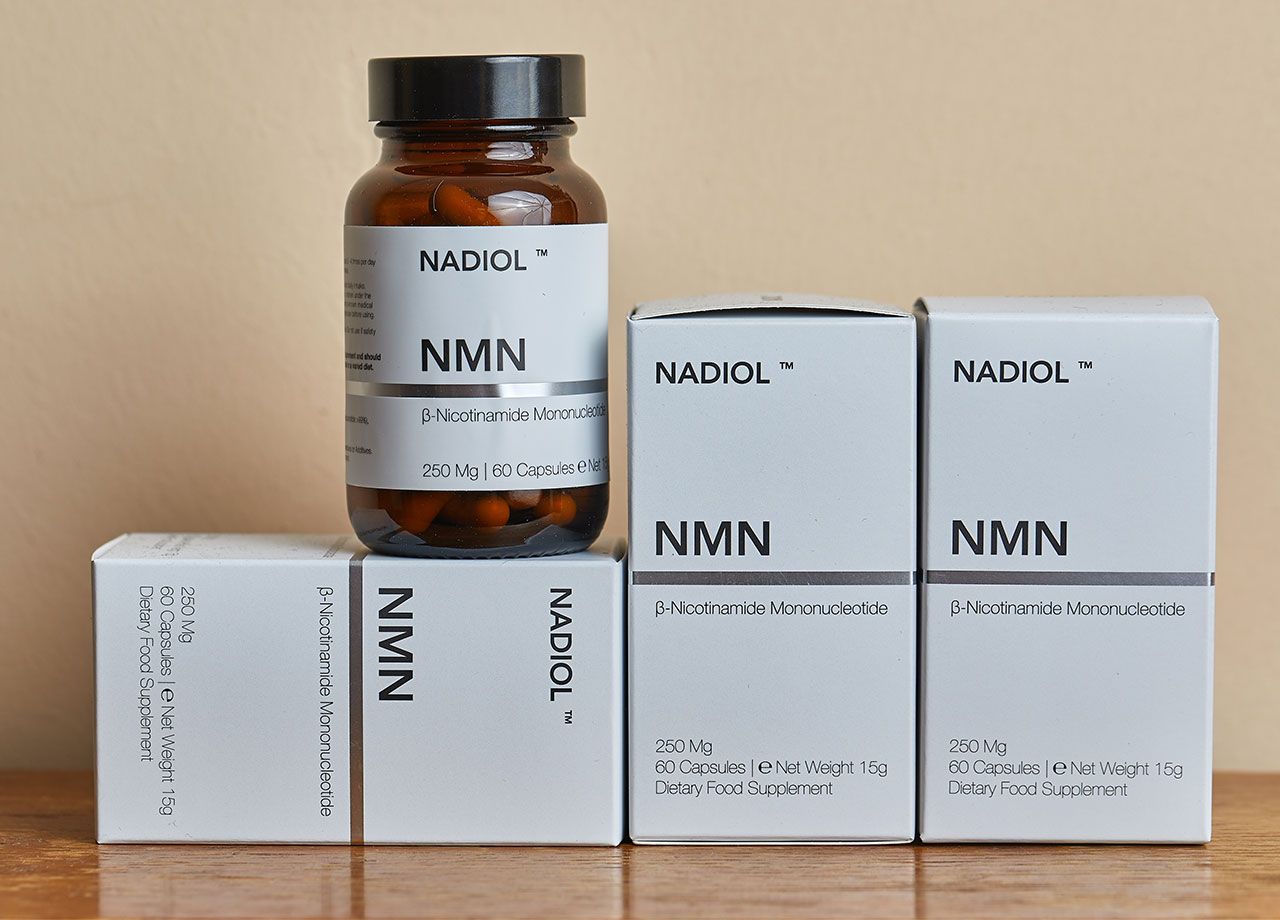
What Does NAD+ Do?
NAD+ is present in our bodies, but we lose some of it as we age, which is why many are turning to supplementation. NAD+ is important for energy production because it helps convert nutrients into ATP (energy) in your mitochondria. It boosts cell turnover, which can repair skin cells more readily, while improving skin elasticity, texture, and hydration. Because they support proteins called sirtuins, NAD+ can also help manage chronic inflammation, while simultaneously protecting against sun and environmental damage.
Can You Find NAD+ in Foods?
It isn’t easy to get NAD+ from natural food sources. Some foods do help support NAD+ production naturally — including chicken, turkey, tuna, salmon, beef, liver, pork, and brown rice. There aren’t many studies that have dug into the ins and outs of NAD+ and studies performed on animals aren’t always accurate for humans. Before trying new supplements, it is recommended that you check in with your doctor to make sure it will be safe for you.