


When it comes to facial rejuvenation, deciding if you’re ready for a facelift can feel daunting. Dr. Amir Karem, board-certified facial plastic surgeon and founder of Karem MD, says it’s not just about age—it’s about how your face has changed and whether you feel ready emotionally. Facelifts aim to restore balance between how you feel inside and how you look on the outside, targeting the jawline, mid-face, and neck for a more youthful contour.
Before knowing if you’re ready for a facelift, it helps to understand the features of a youthful face. According to Dr. Karem:
- The jawline is firm, with no sagging or jowling.
- The neck is smooth and tight, forming a clean profile.
- Mid-face volume is positioned above the cheekbones, and the brow area is elevated.
- Overall, the face has an upward, natural lift without crowding around the eyes.
Aging, especially during perimenopause or menopause, can trigger changes such as sagging soft tissues, deeper nasolabial folds, and hollowed cheeks. These shifts often happen gradually but can signal it’s time to consider a facelift.

Struggling With Sleep? This Rechargeable Sound Machine Is A Total Game-Changer

1. Tugging at Your Face in the Mirror
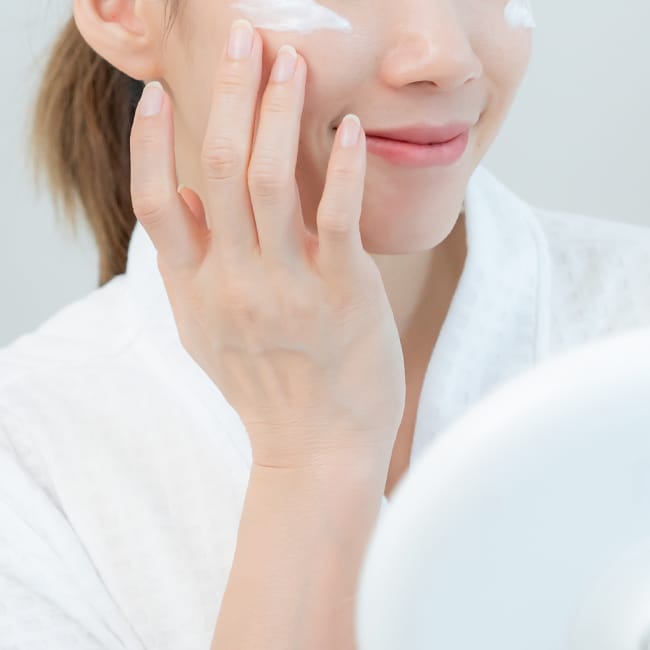
One subtle sign is a simple mirror test. Dr. Karem explains that if you find yourself gently lifting your cheeks and jawline with your fingers—and the face instantly looks fresher and more youthful—this mimics the vertical lift achieved in a facelift. It’s a small action that can reveal how much a lift would enhance your overall appearance.

2. Disliking Photos or Avoiding Them
Another indication is your relationship with photographs. If you start avoiding selfies, family photos, or social media images because you don’t recognize the face staring back, it could be a sign your facial contours have changed. As the jawline and cheeks descend, even subtle shifts can make your face look older than it feels internally.

3. Wanting to Look as Young as You Feel
Many patients undergo facelifts because their external appearance no longer matches how young they feel inside. Dr. Karem encourages reflecting on your “inner age” rather than chronological age. If you feel vibrant and youthful but notice your face reflecting years of change, a facelift can help harmonize the two, restoring confidence and alignment between your inner and outer selves.

4. Changes in the Neck
Sagging or crepiness in the neck is another major clue. Often, patients are concerned about their neck before realizing the face above it has descended. Dr. Karem emphasizes that the fascia of the face is connected to the neck muscles, so lifting the face in a vertical direction will also improve neck contour. If you notice loose skin or heaviness under the chin, it’s worth evaluating whether a facelift could address both areas simultaneously.

5. Feeling Emotionally Ready
Finally, the most important factor is emotional readiness. A facelift is not about meeting an age milestone; it’s about feeling prepared to make a change. When you’re ready to see the youthful version of yourself reflected in the mirror and feel confident moving forward, that’s the ideal time. Dr. Karem notes that combining anatomical signs with personal readiness ensures the procedure delivers both physical and emotional satisfaction.
Final Thoughts
Facelifts are not a one-size-fits-all procedure. Dr. Karem advises researching surgeons, reviewing before-and-after photos, and understanding the anatomy involved. By paying attention to these five subtle signs, you can determine whether it’s the right time to take the step toward a more lifted, youthful appearance. Ultimately, a facelift is about feeling whole again—matching your outer look to your inner vitality.