


In a world full of skincare promises, one product consistently tops dermatologists’ lists: sunscreen. But does it actually help with wrinkles and visible signs of aging — or is it just good for preventing sunburns?
According to board-certified dermatologist Dr. Dray, the answer is a resounding yes — but with caveats.
“Approximately 80% of the skin aging on your face is attributed to ultraviolet radiation from the sun,” says Dr. Dray in a recent video. “The cheeks, they tell no lies… Look at your butt cheeks compared to your face — the difference in aging is proof of what sun exposure does to skin.”
How the Sun Ages Your Skin
Ultraviolet (UV) radiation from the sun — particularly UVA and UVB rays — is a major culprit behind premature skin aging. While UVB causes sunburns and damages DNA, UVA penetrates deeper and breaks down collagen and elastin, the building blocks of youthful skin. This leads to wrinkles, sagging, and uneven texture over time.
Dr. Dray explains that “repeat exposures to UVA increase markers of oxidative stress” and degrade collagen-producing cells. Worse, UVA can penetrate through windows — meaning indoor exposure still matters.
Yes, Sunscreen Helps — A Lot
Multiple studies back up sunscreen’s protective power. In one study Dr. Dray referenced, participants who applied sunscreen daily for 24 months showed significantly less sun damage at a microscopic level.
“Those who were applying sunscreen had significantly less solar elastosis, which is fancy pathology speak for sun damage,” she says.
Even more compelling: Daily SPF use may reverse some damage. One study showed participants using SPF 30 daily for a year had improved skin texture, clarity, and reduced pigmentation.
Dr. Dray also highlights the often-overlooked role of visible light, especially in people with deeper skin tones. Blue light — from the sun, not screens — can trigger hyperpigmentation. Enter: tinted sunscreens.
“Tinted sunscreens that have iron oxides in them may offer some protection against those wavelengths of light that lead to dark discoloration,” she says. “If you have hyperpigmentation or melasma, especially with a deeper skin tone, this can be a game changer.”
Sunscreen Isn’t a Shield of Armor
Dr. Dray is clear: sunscreen alone isn’t enough.
“People fall into a trap — they put on sunscreen and think they’re good to go lay out in the sun. Sunscreen is not a shield of armor,” she warns.
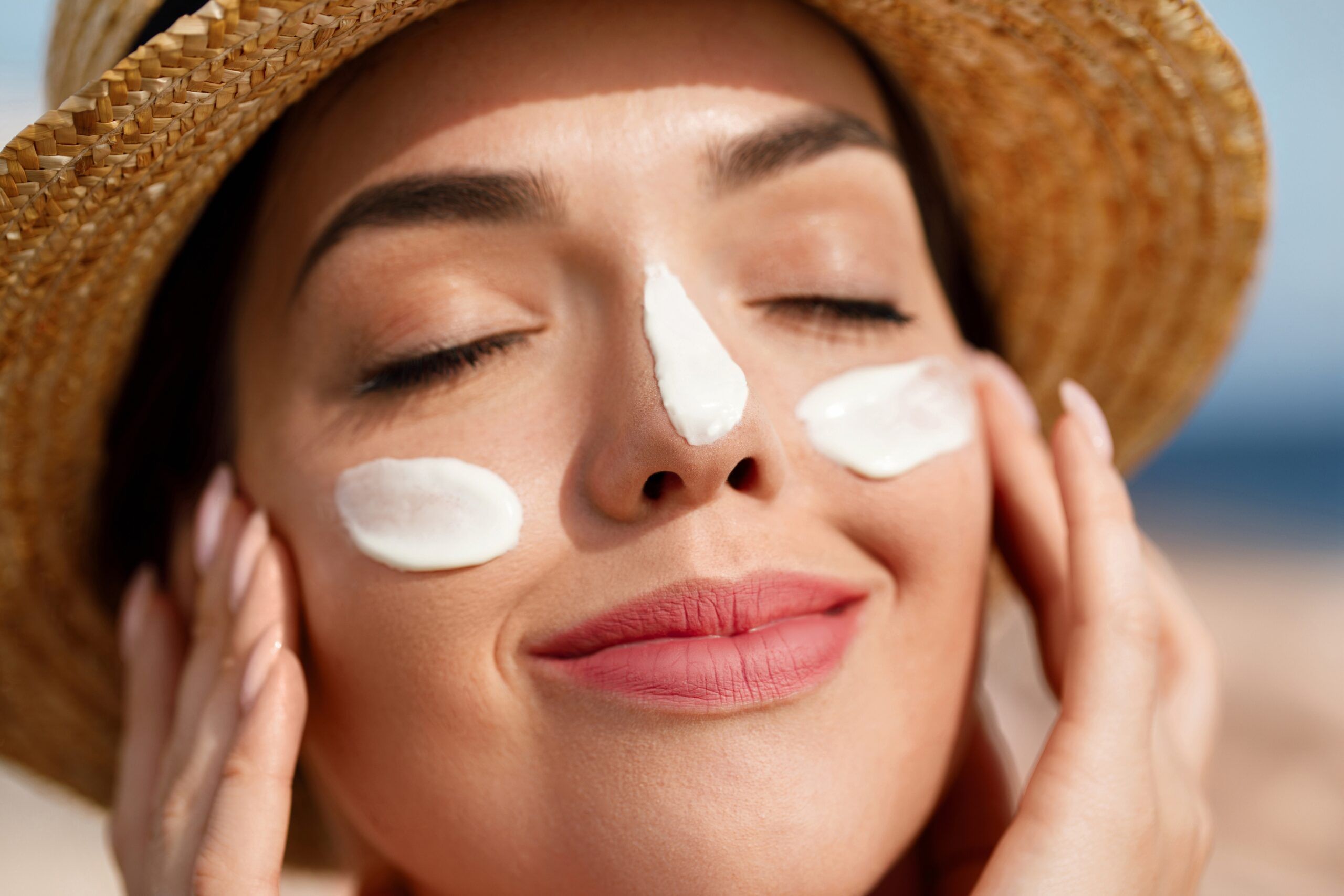
She stresses the importance of pairing sunscreen with hats, sunglasses, sun-protective clothing, and seeking shade — especially during peak hours. Also crucial: reapplying every two hours if you’re outdoors, sweating, or in water.

Struggling With Sleep? This Rechargeable Sound Machine Is A Total Game-Changer
Bottom Line
Sunscreen is one of the most effective tools we have to fight wrinkles and sun-related aging — but only when used correctly and consistently.
“Yes, it can protect against wrinkles and yes, it may even help reverse some of the visible signs of skin aging,” says Dr. Dray. “But you’ve got to use it consistently, and you’ve got to pair it with other sun-protective behaviors.”
For smoother, healthier, more even-toned skin, don’t skip the SPF — and don’t treat it like a free pass to sunbathe.