






This article alone should not be taken as health advice. Speak to a doctor for the best plan for your personal health goals.
Supplements can offer a range of health benefits, but taking the wrong ones, combining certain ingredients, or simply consuming too much can come with serious risks. Some supplements marketed for relaxation, digestive health, or energy may have unintended effects on your blood pressure, kidneys, and heart, particularly when taken in large doses or alongside certain medications.
We spoke to Dr. Kubanych Takyrbashev, MD and health & wellness advisor, Jimah Alsaai, a UK-registered pharmacist based in London and the founder of Solira, and Dr. Rimas Geiga to learn about a few common supplement mistakes aren’t worth the potential consequences. From taking too much licorice root to combining multiple sources of caffeine, these habits can put unnecessary strain on your cardiovascular and kidney health.

Women Are Swapping Their Boring Water For This Ice Pop Electrolyte Mix!
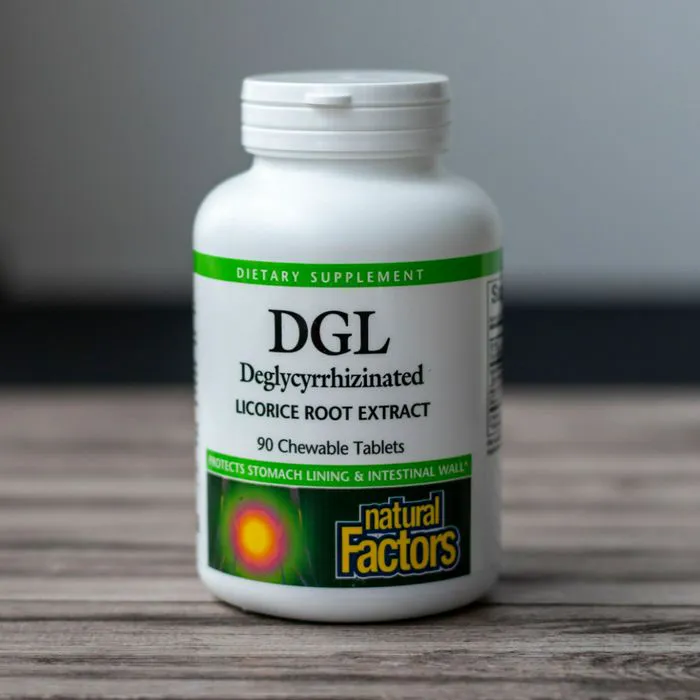
1. Too much Licorice Root can damage kidneys
Licorice root is sometimes used for digestive benefits, respiratory support, or oral health. However, when consumed in large amounts or over extended periods, it can cause potassium depletion and elevate blood pressure. This can potentially lead to kidney damage or worsening existing kidney conditions.
"Licorice root can be harmful to kidney health due to its effect on potassium levels and blood pressure," warns Dr. Geiga. For digestive health, consider alternatives like chamomile or fennel tea, which can soothe the stomach without the risks associated with licorice root.

2. Kava can raise blood pressure
Kava, a supplement derived from the root of the kava plant, is often used for its calming effects and to promote relaxation. However, its use can have potential side effects related to blood pressure and cardiovascular health.
Takyrbashev says, "Kava is known for its soothing properties, but it's important to note that it has been linked to liver issues. Liver damage can adversely affect blood pressure regulation and overall cardiovascular health, especially with prolonged or excessive use." Noted!

3. Taking Potassium with certain medications can be dangerous
Potassium is important. It helps regulate muscle contractions, nerve signals, and your heartbeat. However, too much potassium in the blood, known as hyperkalemia, can cause dangerous heart rhythms and even cardiac arrest. According to MedlinePlus, kidney problems and certain medications can increase the risk.
Alsaai warns against taking potassium supplements or using potassium-based salt substitutes without considering your medications. ACE inhibitors like lisinopril, ARBs like losartan, and potassium-sparing diuretics like spironolactone can increase potassium levels, particularly in people with kidney problems. "Potassium helps carry the electrical signal that keeps the heart in rhythm," he explains. "Too much disrupts that signal and can cause dangerous rhythms or, at very high levels, cardiac arrest, often with little warning." Talk to your healthcare provider and get your blood levels checked before starting potassium supplements.

4. Combining too many stimulants can harm your heart
Pre-workout powders, coffee, and energy drinks can quickly add up to a high daily caffeine intake. "Many pre-workouts have 200mg or more of caffeine per scoop," Alsaai warns. Combining them with other caffeinated drinks can push you past the 400 milligrams per day that the FDA says is generally not associated with negative effects for most adults.
Excessive caffeine can cause palpitations and may increase the risk of abnormal heart rhythms, especially in people with underlying heart conditions. Check the caffeine content of your supplements and drinks, and remember that individual tolerance varies. If you experience recurring palpitations after consuming caffeine, consult a healthcare professional.