





There are many issues that can contribute to bloating, from stress and anxiety to hormonal fluctuations. But one of the most influential factors is your diet. What you eat plays a major role in your gut health. The foods you consume can impact gas, constipation, inflammation, and water retention. Knowing which foods to avoid can make a major difference in your comfort and overall digestive health—and not all of the biggest offenders are as predictable as a plate of chili fries.
We spoke to experts to learn about a few everyday foods that are likely to lead to bloating and inflammation, especially when consumed in excess. From highly processed potato chips to more surprising “healthy” options like dried fruit, find their warnings below.

Women Are Swapping Their Boring Water For This Ice Pop Electrolyte Mix!
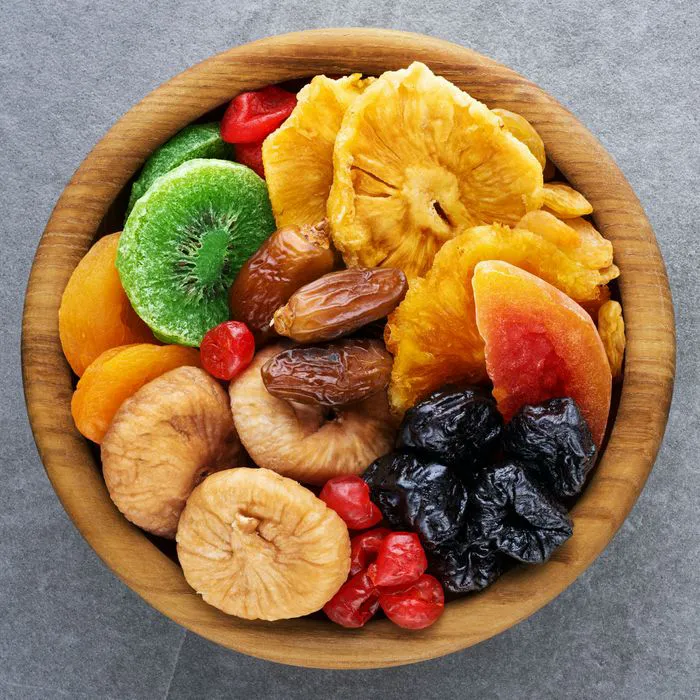
1. Dried Fruit
While dried fruits are often thought of as a healthy snack option, it's essential to be mindful of their potential impact on bloating, gut health, and weight gain. Drying fruits concentrates their natural sugars, resulting in a higher calorie density and increased sugar content per serving. Moreover, the high calorie and sugar load in dried fruits may contribute to weight gain if not consumed in moderation.
When it comes to bloating and gut health, Krutika Nanavati, registered dietitian and nutritionist, says, "While dried fruit offers vitamins and minerals, its higher natural sugar concentration compared to fresh fruit can disrupt gut bacteria balance, causing bloating. Certain dried fruits may contain sulfites, which are preservatives that could potentially contribute to imbalances in the gut microbiome and digestive problems in sensitive individuals."
These can also impact weight gain, as she says, "Despite its small serving size, dried fruit contains a surprisingly high number of calories due to the dehydration process. Excessive consumption of dried fruit can contribute to weight gain."

2. Smoothies
Consuming large quantities of sugar in liquid form can lead to spikes in blood sugar levels, followed by crashes, which may disrupt digestion and leave you feeling bloated or sluggish.
Additionally, smoothies and juices often lack the fiber found in whole fruits and vegetables, which is essential for promoting healthy digestion and preventing constipation.
Too much of a certain food can sometimes have its downsides, as Alanna Kate Derrick, certified personal trainer and endurance sports nutrition coach, says, "Another culprit is smoothies or juices with lots of greens like kale, spinach, or celery." She adds, "Don't get me wrong—I'm all about getting those nutrient-dense veggies in. But blending them on an empty stomach first thing in the morning is just asking for painful gas and bloating until those tough-to-break-down fibers can get properly digested."

3. Flavored Yogurts
"Yogurt is a wonderful addition to your breakfast, but flavored varieties are often loaded with added sugars and artificial flavors," nutritionist Meena Bulaji says. She warns that excessive sugar consumption can disrupt the balance of gut bacteria, leading to a decrease in beneficial microbes and an increase in harmful ones.
Ultimately, this can lead to gut inflammation and weight gain. But the risks don't stop there. Artificial colors or flavors in flavored yogurts can even cause health issues like migraines and skin rashes.
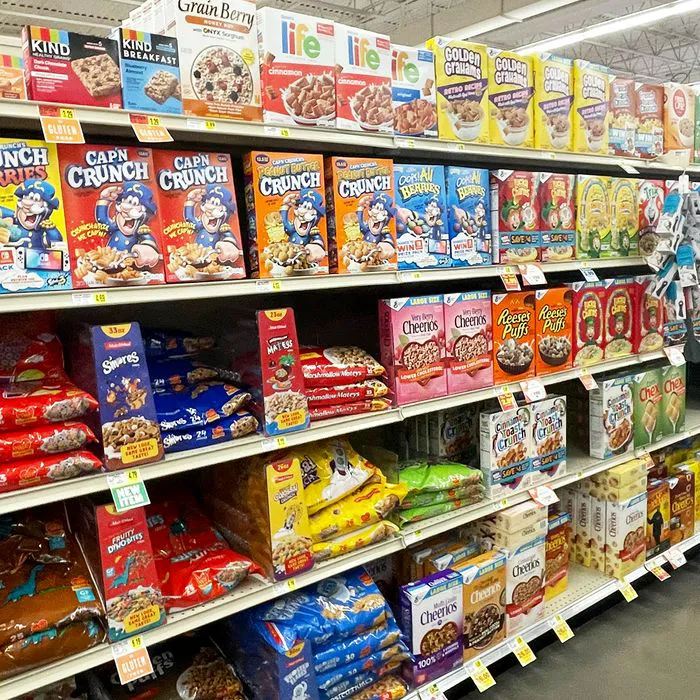
4. Cereals
Let's be honest: sometimes nothing hits the spot in the morning quite like a sugary, crunchy bowl of Cinnamon Toast Crunch or Fruit Loops. However, unfortunately, the rest of your body doesn't love this breakfast food nearly as much as your taste buds do. In fact, eating breakfast cereal is likely to result in inflammation and digestive issues such as bloating, according to Richards.
"These cereals are typically made from refined grains that lack fiber and essential nutrients," nutritionist Lisa Richards, creator of the Candida Diet, explains. "The high sugar content in sugary cereals can lead to a rapid spike in blood sugar levels, followed by a crash, causing inflammation and contributing to feelings of bloating and discomfort."

5. Protein/Granola Bars
Some “health” bars can do more harm than good when it comes to the gut.
“I would keep people away from sugar alcohols that are contained in many diet foods and bars,” weight loss physician Dr. Craig Primack tells us.
“Most protein bars on the market have the nutrient quality of a candy bar with a higher price tag,” registered dietitian Trista Best agrees. Consumers should be aware of nutritional concerns associated with these bars, such as sugar and calories, before grabbing them for a meal replacement, quick meal, or post-workout snack.
"Granola is made with sugars and, oftentimes worse, with high fructose corn syrup," he warns. Even homemade granola can come with risks, he warns, as many of the granola cereals and cereal bars on shelves these days are "loaded with sugars that will inflame your stomach and create yeast issues that will create bloating." And that is NOT what we want!

6. White Bread
White bread is a staple in many households. After all, its delicious! Unfortunately, it's far better for your taste buds than your waistline. Nanavati explains that white bread is made from "highly refined flour," which strips away the fiber and nutrients your body needs. Without these nutrients, white bread can cause your blood sugar to spike, ultimately resulting in crashes, as well as inflammation, weight gain, and even bloating.
"Whole-grain bread is a much better option since it still has all the good stuff like fiber, which helps keep you full longer and stabilizes your blood sugar," Dietitian Krutika Nanavati says. Other alternatives to consider include nutrient-dense options like quinoa, brown rice, or oats.

7. Salted nuts & seeds
Nuts and seeds have a range of health benefits, but Dr. Harsh Sheth says "their salted variants introduce unnecessary sodium to the diet, disturbing fluid balance and contributing to bloating. The dense calorie profile of nuts can be compounded by high sodium, potentially leading to overconsumption and challenges in maintaining a healthy weight."
To further add on to the health benefits associated with reducing your sodium intake, Dr. Sheth discloses that "lowering sodium intake helps maintain a healthy electrolyte balance, diminishing the likelihood of bloating and water retention. Individuals can better regulate their appetite and caloric intake by avoiding high-sodium snacks and supporting weight management objectives."

8. Potato Chips
Potato chips undergo extensive processing, including slicing, frying, and seasoning. This process strips away many of the natural nutrients found in potatoes and adds unhealthy ingredients.
Potato chips are typically loaded with salt, contributing to high sodium levels. Additionally, the oils used in frying potato chips are often high in unhealthy trans fats and omega-6 fatty acids, which can promote inflammation in the body.
If these are not enough reasons to put down the bag of potato chips, consider that excessive sodium intake can lead to water retention and bloating, making digestion uncomfortable.
"Potato chips are traditionally processed and fried with added sodium or artificial flavors," Best says. "The consumer may also use [high-fat] dips or cheeses when eating them and is likely to mindlessly eat them without noticing the quantity."