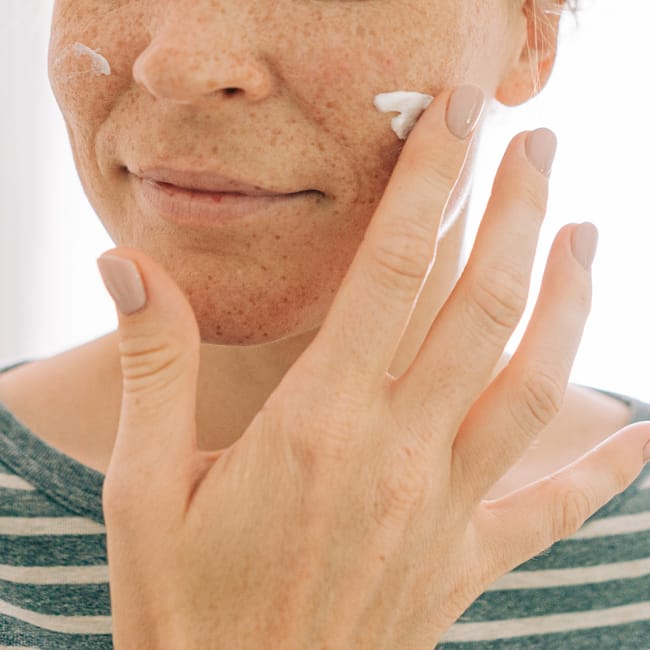




The supplement market today is more saturated than ever—with endless powders, pills, and promises lining store shelves and filling up social media feeds. With so many options claiming to boost energy, support immunity, or improve your skin, it can be tough to know what’s truly beneficial. Some supplements can play a helpful role in enhancing your diet and lifestyle, especially if you’re dealing with specific deficiencies or struggling to get enough nutrients from food alone. When used mindfully, they can help fill in nutritional gaps and support your overall well-being.
But there’s a catch: the supplement industry is largely unregulated, which means not all products are created equal—or are even safe. Labels can be misleading, and some ingredients may interact with medications, impact your health, or do more harm than good. There are a couple of popular supplements that, when taken incorrectly or in excess, can pose serious health risks and may even accelerate skin aging instead of preventing it. Here are two supplements to keep on your radar (and to talk to your doctor about).

Struggling With Sleep? This Rechargeable Sound Machine Is A Total Game-Changer
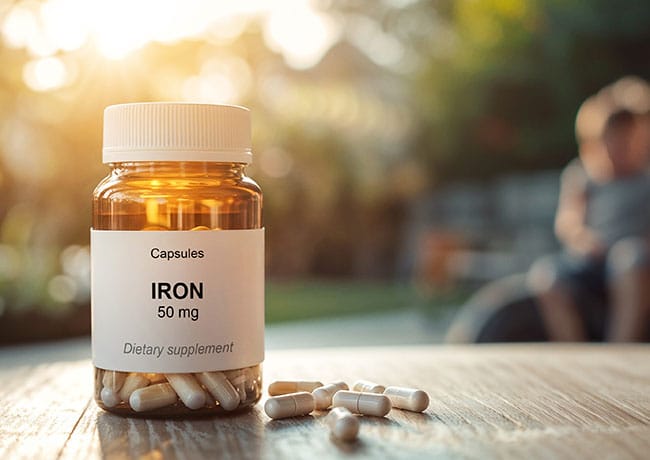
1. Iron
Iron is an essential mineral that plays a key role in transporting oxygen throughout the body and supporting energy production, immune function, and more. For people with iron deficiency, iron supplements can be a crucial tool for maintaining health and preventing fatigue, weakness, and other health issues associated with anemia. When used appropriately and under the guidance of a healthcare provider, iron supplements can help restore your iron levels to where they need to be and improve overall well-being.
But taking too much iron or supplementing when it’s not needed can be harmful. Excess iron in the body can cause oxidative stress, which contributes to inflammation and cellular damage—including in the skin. Over time, this oxidative stress may accelerate skin aging by breaking down collagen and promoting wrinkles and dullness. Iron overload can also damage organs like the liver and heart. It’s important to have a doctor test your iron levels before starting supplementation.
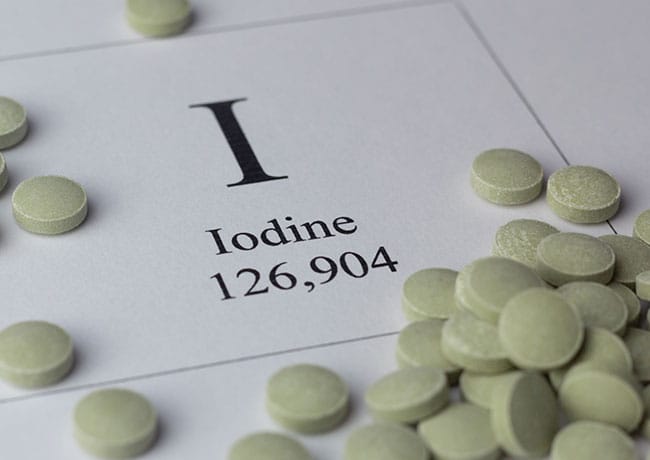
2. Iodine
Iodine is a trace mineral that’s important for healthy thyroid function, which regulates metabolism, energy levels, and even skin health. In areas where iodine deficiency is common, or for people who don’t get enough iodine in their diets from foods like seafood and dairy, supplements can help prevent thyroid disorders such as hypothyroidism. Ensuring you get enough iodine supports hormonal balance, cognitive function, and can even promote healthy skin hydration and texture.
But like iron, too much iodine can backfire. Excessive iodine intake can disrupt thyroid function, potentially triggering hyperthyroidism or autoimmune thyroid conditions. These hormonal imbalances may lead to symptoms such as weight changes, fatigue, and sometimes, premature aging of the skin. The safe range for iodine is pretty narrow, so it's best to consult with a doctor before adding iodine supplements to your routine.