




Around this time of year, as people struggle to get through Daylight Saving Time and avoid the stress that comes with the chaos of a new year, getting enough sleep is crucial.
If you’ve been struggling to get a good night’s sleep, unable to stay asleep at night, or feel like you’re not getting a deep enough sleep, then you might want to try other strategies or change parts of your routine to help you out. That can include taking supplements, as several added vitamins and minerals have been shown to improve sleep for various reasons. However, there are some common supplements that can actually end up messing with your deep, REM sleep, and we’ve asked health experts to list two of them. Read more about them below.

Struggling With Sleep? This Rechargeable Sound Machine Is A Total Game-Changer

1. Green Tea Supplements
Green tea has long been known for its health benefits, like reducing the risk of certain diseases, supporting your metabolism, etc. Now, if you don't want to drink several mugs of green tea throughout the day, you can take it in supplement form through extract supplements. Still, green tea is a source of caffeine, which will keep you up.
"Green tea supplements can disrupt REM sleep because they often contain concentrated and sometimes undisclosed amounts of caffeine, which stimulates the brain and interferes with normal sleep architecture even in people who fall asleep easily," explains neurologist and lifestyle medicine physician, Lynette Gogol, DO, DipABLM.
"Caffeine blocks adenosine, the neurochemical that promotes sleep pressure, and research consistently shows this delays REM onset, reduces total REM time, and increases nighttime awakenings, particularly when intake occurs later in the day," she continues. "While green tea naturally contains L-theanine, which may promote relaxation, this effect may not reliably counteract the REM-suppressing impact of higher caffeine doses commonly found in supplement form, making sleep lighter and less restorative and increasing the likelihood of next-day mental fog."
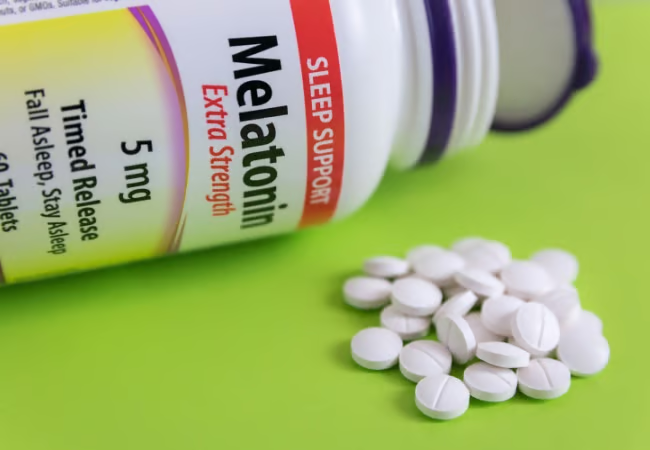
2. High Doses of Melatonin
Melatonin is one of the most popular supplements taken to help people fall asleep. After all, it's in the name, as melatonin is the naturally occurring hormone in our bodies that regulates the sleep-wake cycle. Taking 5mg of it at night can help those who struggle with insomnia or need to get their sleep back on schedule, but taking higher doses of it, especially every night, can end up messing with your quality of sleep.
"One of the biggest culprits I see clinically is taking too high a dose of melatonin (more than 5mg)," explains naturopathic doctor Patricia S. Haebe, NMD. "While melatonin is fantastic for regulating sleep timing, excessive doses can disrupt normal sleep architecture by delaying REM onset or fragmenting REM cycles, which often leads to vivid dreams, nighttime awakenings, and sleep that feels less refreshing."