

Hair loss can be incredibly stressful, especially because it often feels so personal—and frustratingly unpredictable. Whether you’re noticing extra shedding in the shower or a gradual thinning that seems to come out of nowhere, the emotional toll can be just as heavy as the physical change. What makes it even harder is the amount of time and energy it takes to search for answers, sift through conflicting advice, and figure out what might actually help.
In that search for solutions, many of us turn to supplements, vitamins, and minerals, along with essential oils and more unorthodox treatments, hoping for a simple fix. Unfortunately, this trial-and-error approach can quickly add up to a lot of money spent with little to show for it. According to some doctors, not all hair-growth supplements are created equal.
There are at least four that aren’t worth your time or investment when it comes to regrowth, and four others that may be far more effective.

Struggling With Sleep? This Rechargeable Sound Machine Is A Total Game-Changer

1. Most Gummies
Hair-growth gummies are appealing because they’re easy, tasty, and feel like a small daily act of self-care—but they’re often more candy than a hair growth solution. Many gummies contain low doses of active ingredients, added sugars, and fillers that don’t meaningfully support hair regrowth. While they may help if you’re mildly deficient in certain nutrients, they rarely address the underlying causes of hair loss, making them an expensive habit with little payoff.

2. Biotin
Biotin has become almost synonymous with hair growth, but for most people, it isn’t the magic fix it’s marketed to be. True biotin deficiency is actually rare, and supplementing when you’re not deficient doesn’t typically lead to noticeable regrowth.

3. Excessive Zinc
Zinc is an essential mineral for hair health, but more isn’t always better. Taking high doses without medical guidance can disrupt the balance of other important minerals, particularly copper, which plays a role in hair follicle function. Over time, this imbalance can contribute to hair shedding rather than preventing it, making excessive zinc a risky choice without confirmed deficiency.

4. Collagen Pills
Collagen supplements are popular for improving hair strength and appearance, but they’re often misunderstood when it comes to regrowth. Collagen is broken down into amino acids during digestion, which means it doesn’t automatically turn into new hair. While collagen pills may support overall hair quality or nail strength, there’s limited evidence that they can actually trigger new hair growth, especially if the root cause of hair loss isn’t nutritional.

5. Rosemary Oil
Rosemary oil has gained attention as a more promising, natural option for supporting hair regrowth, especially for those experiencing thinning rather than sudden medical hair loss. Research suggests it may help improve scalp circulation and support follicle health, creating a better environment for growth over time. While it’s not an overnight fix, consistent use—especially when gently massaged into the scalp—can be a low-cost addition to a hair-care routine that focuses on long-term improvement.

6. Protein From Foods
Hair is made primarily of protein, so getting enough of it through whole foods can make a real difference in growth and strength. Unlike supplements that may or may not be absorbed well, protein from foods like eggs, fish, poultry, beans, and yogurt provides the building blocks hair follicles need to produce strong strands. For many people, increasing dietary protein helps reduce shedding and supports regrowth more effectively than isolated supplements.

7. Nourkrin
Nourkrin stands out among hair supplements because it’s backed by clinical studies and focuses on a specific bioactive marine protein complex rather than generic vitamins. This approach targets the hair growth cycle itself, helping to support follicles during the growth phase instead of just addressing nutrient gaps. While results still take time, many people see better outcomes with Nourkrin compared to standard OTC hair vitamins.

8. Light Therapy
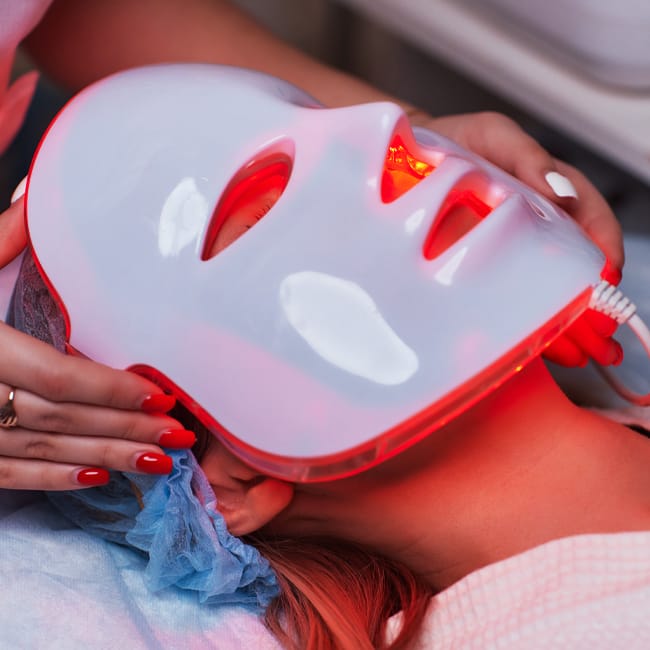
Low-level light therapy uses red light wavelengths to stimulate hair follicles and encourage growth at the cellular level. Devices like laser caps or combs are FDA-cleared for certain types of hair loss and can be especially helpful for gradual thinning. When used consistently, light therapy offers a non-invasive option that works well alongside other treatments.