




As more women over 50 turn to supplements to support everything from heart health to menopause symptoms, it’s important to remember that “natural” products aren’t always safe. In fact, health experts warn that supplements can interact with prescription medications in ways that may make them less effective or even lead to dangerous side effects.
In fact, certain supplement-medication combinations can be especially problematic for women in middle age and beyond, as the risk of chronic conditions such as heart disease, thyroid disorders, and depression increases. common. According to Dr. Ayesha Bryant, MD, MSPH, Clinical Advisor of Alpas Wellness, it’s important to approach supplements with the same level of caution as prescription drugs. Below are some of the supplement combinations she says women over 50 should avoid—or discuss with their healthcare provider before taking.

Women Are Swapping Their Boring Water For This Ice Pop Electrolyte Mix!
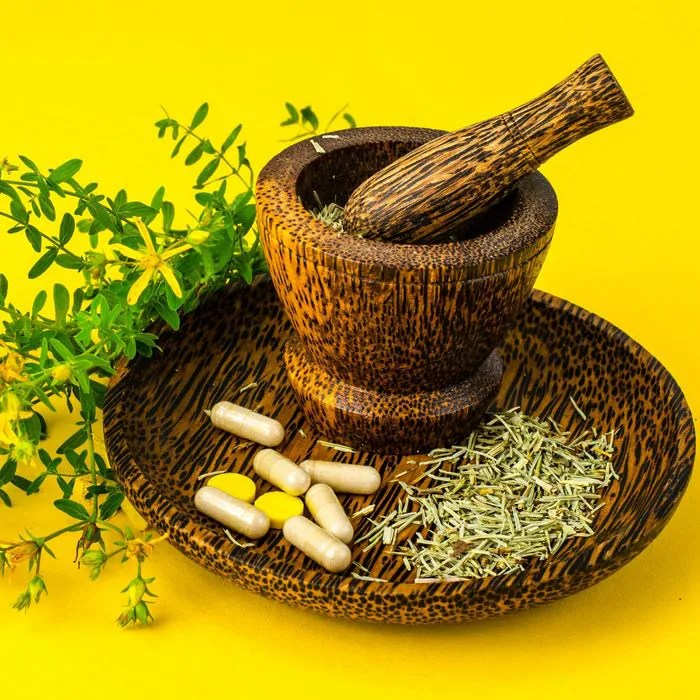
St. John's Wort + Antidepressants, Blood Thinners, And Heart Medications
One of the biggest red flags on Dr. Bryant's list is St. John's Wort. This herbal supplement is used for mood support, but it could result in risks when combined with certain medications.
"The biggest concern for me regarding combining supplements with medications are the potential interactions that occur between the use of St. John's Wort with antidepressants, blood thinners (such as coumadin) and certain heart medications," she says.
"The reason for this concern is because St. John's Wort has the ability to alter drug metabolism, resulting in potentially increasing undesirable side effects of your medications while simultaneously reducing their efficacy," Dr. Bryant explains.
In other words, the supplement may make some medications less effective while also increasing the likelihood of adverse reactions—a risky combination for anyone managing chronic health conditions.
Vitamin K + Warfarin
Vitamin K is an essential nutrient that supports blood clotting and bone health, but women taking the blood thinner warfarin need to pay close attention to how much they're consuming, Dr. Bryant says.
"Women 50+ years old need to be mindful of excessive amounts of Vitamin K if they are on warfarin, as excessive amounts of Vitamin K may potentially hinder the blood thinning effects of the medication," she explains.
While many people focus on vitamin K-rich foods, supplements can deliver concentrated doses that are more likely to affect medication levels.

Ginkgo, Garlic, Or High-Dose Omega-3s + Blood Thinners
Many supplements marketed for heart health, circulation, and cognitive support may also pose concerns when combined with anticoagulant medications.
These supplements can have blood-thinning properties of their own. When combined with prescription anticoagulants, they may amplify the medication's effects and increase the risk of bruising, bleeding, or more serious complications, Dr. Bryant warns.
Women taking medications such as warfarin or other blood thinners should always check with their healthcare provider before adding these supplements to their routine.
Calcium, Magnesium, Or Iron + Thyroid Medication
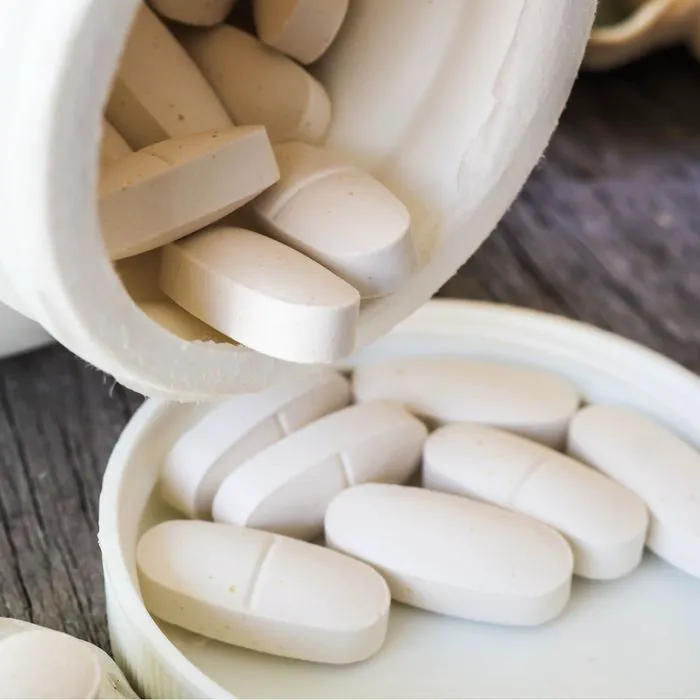
Supplements aren't always dangerous because of what they do in the body—sometimes the problem is simply when they're taken.
"Many patients present with issues relating to calcium, magnesium, and/or iron supplements being taken within minutes of thyroid medication," Dr. Bryant says.
"These supplemental nutrients have the potential to significantly inhibit absorption of the medication," she explains.
For women managing hypothyroidism, timing matters. Healthcare providers often recommend taking thyroid medication on an empty stomach and waiting several hours before taking mineral supplements.
The Bottom Line
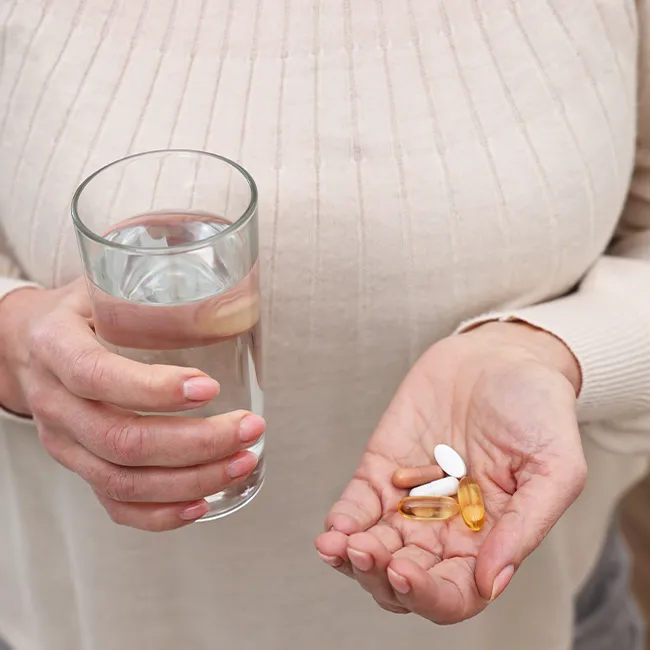
Because supplement interactions are often overlooked, Dr. Bryant encourages women to take a proactive approach when adding anything new to their routine.
"I advise patients to treat any supplements they take like prescription medications," she says.
"Make sure to keep an updated list of everything you are taking, avoid starting supplements based on social media trends, and always talk to your doctor before starting supplements, especially if you are already taking other prescription medications," Dr. Bryant advises.
The bottom line: Supplements may offer benefits, but they aren't risk-free. Understanding potential interactions can help women over 50 protect their health and get the most from both their medications and their wellness routine.