



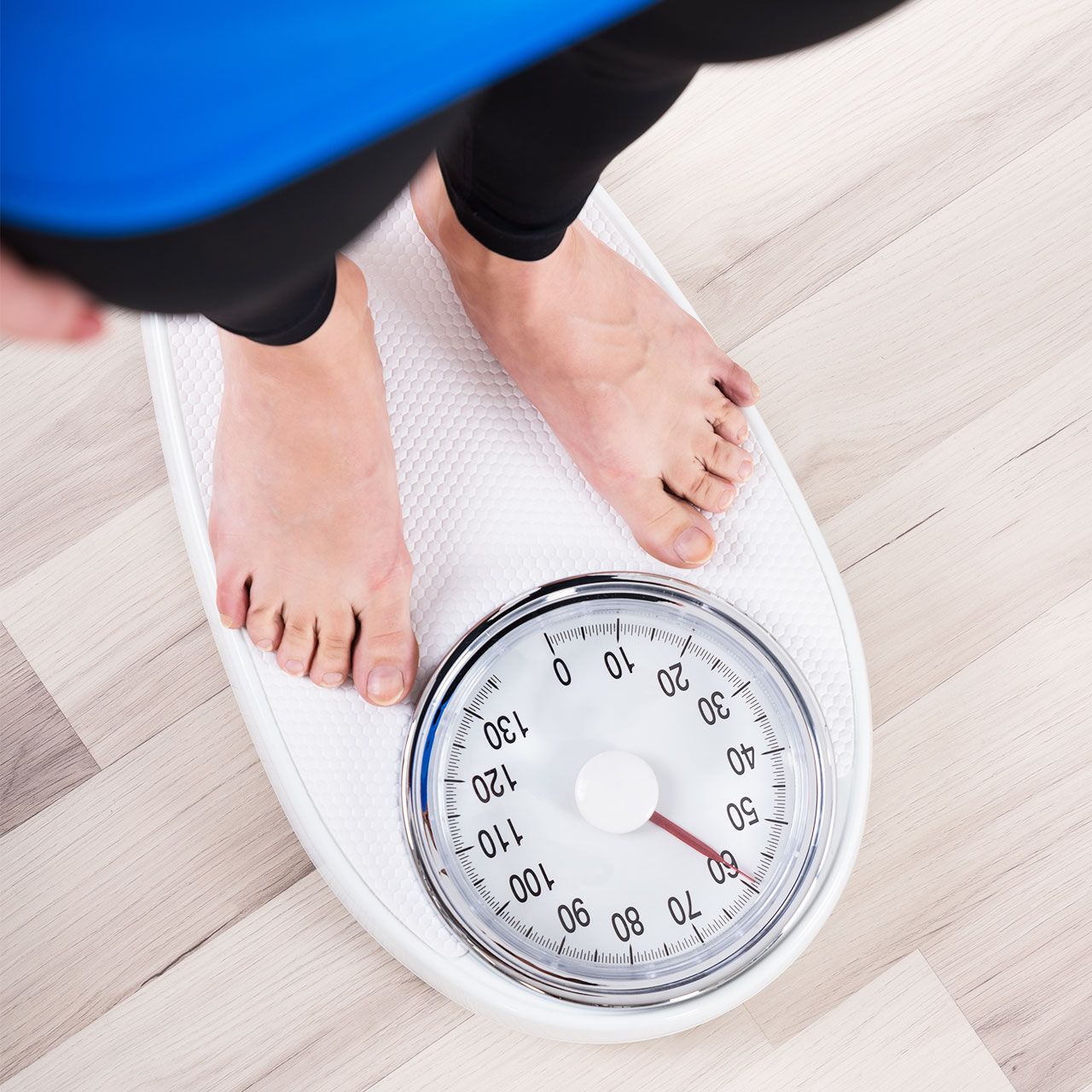
Your diet is one of the most crucial components of your health, especially when it comes to weight loss. And while many people think that eating as little as possible is the best path to their dream body, the truth is that there are a lot of downsides to a highly restrictive diet, including nutrient deficiencies. Whether you’re restricting or not, ensuring your body is getting the nutrients it needs is vital to your wellbeing—and if you’re lacking certain nutrients, you could even be hindering your ability to lose weight.
To learn about a few of the most detrimental deficiencies to avoid if you want to lose weight, we checked in with Alex Foxman, M.D., F.A.C.P., Medical Director of Achieve Health & Weight Loss. He told us that vitamin C, vitamin D, and B vitamins are among the most vital. Read on to learn more about the importance of each.

Struggling With Sleep? This Rechargeable Sound Machine Is A Total Game-Changer

1. Vitamin C
Although it's well-known for its immunity-boosting properties, vitamin C is also a crucial component of a weight loss-friendly diet. "This vitamin is crucial for a healthy immune system and is also a powerful antioxidant, Dr. Foxman confirms. "It plays a role in energy production and can aid in fat oxidation during exercise."
According to him, "Low levels of Vitamin C can make it more challenging to lose fat." To prevent this issue, consider adding Vitamin C-rich foods like citrus fruits, strawberries, bell peppers, broccoli, and Brussels sprouts to your plate. Your body (and taste buds) will thank you!

2. Vitamin D
Vitamin D plays a crucial role in so many aspects of your wellbeing. According to Dr. Foxman, it's also an essential ingredient to weight loss. "Vitamin D is essential for a variety of bodily functions, including the regulation of calcium and phosphorus absorption, immune function, and mood regulation," he says. "Regarding weight loss, research suggests that Vitamin D may help regulate appetite and body fat."
A vitamin D deficiency could result in many health issues. Dr. Foxman points out that it's "associated with an increased risk of obesity and metabolic syndrome." Luckily, there are ways to up your intake. "You can increase your Vitamin D intake through sun exposure, fatty fish like salmon and mackerel, fortified foods like milk and orange juice, and supplements." Perfect!

3. B Vitamins
B vitamins are also of utmost importance to your overall health, especially if you're trying to shed a few pounds. This group of vitamins includes B1 (thiamine), B2 (riboflavin), B3 (niacin), B5 (pantothenic acid), B6, B7 (biotin), B12, and folic acid, all of which are integral to many of your body's functions.
"B vitamins are important for metabolizing proteins, carbohydrates, and fats and converting food into energy," Dr. Foxman says. "Deficiency in B vitamins can lead to low energy and a slower metabolism, which can hinder weight loss." There are many fantastic sources of B vitamins. Dr. Foxman recommends opting for whole grains, meat (especially liver, eggs, nuts, seeds legumes, and leafy greens. Yum!


