




This article alone should not be taken as health advice. Talk to your doctor about the best plan for your personal wellbeing.
Keeping your brain healthy as you age involves more than just staying mentally active. Your diet can also play an important role, especially when it comes to getting enough nutrients that help protect brain cells from damage. Vitamin E, in particular, is worth paying attention to, as its antioxidant properties can support long-term cognitive health.
“Vitamin E is an important antioxidant that helps protect brain cells from oxidative damage as we age,” explains nurse practitioner Justine Lewis. “Our brains use a tremendous amount of oxygen and contain a high concentration of fats, making them particularly vulnerable to this type of damage.” While no single food can prevent cognitive decline, incorporating vitamin E-rich ingredients into a balanced diet may help support healthy brain function. Lewis recommends adding these four foods to your diet.

Women Are Swapping Their Boring Water For This Ice Pop Electrolyte Mix!
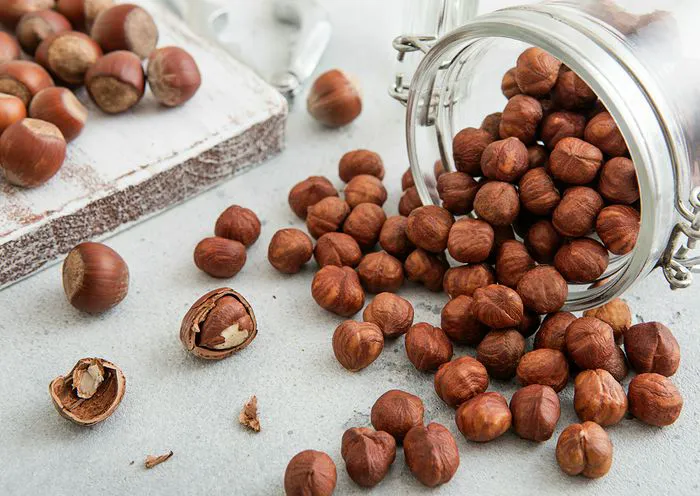
1. Hazelnuts
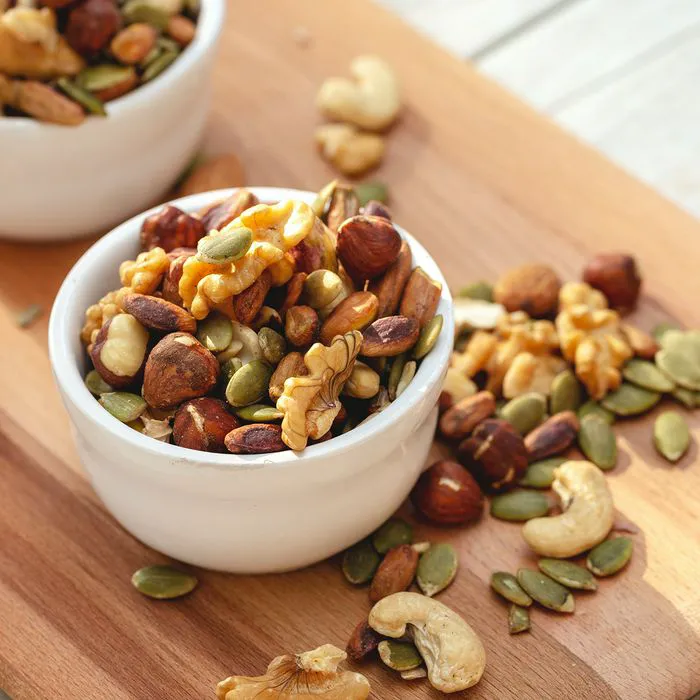
If you're looking for an easy way to get more vitamin E, try adding hazelnuts to your snack rotation. Just one ounce provides approximately 4.3 mg of vitamin E, or nearly 30% of the recommended daily intake of 15 mg for adults. According to the National Institutes of Health (NIH) Office of Dietary Supplements, nuts and seeds are among the best dietary sources of this important antioxidant.
"Vitamin E helps protect the fatty membranes of brain cells from oxidative damage, while hazelnuts also provide healthy unsaturated fats," Lewis explains. Getting enough healthy fats is important for overall health, and hazelnuts offer a convenient combination of nutrients that can support a balanced diet.
These tasty nuts are easy to incorporate into meals and snacks. Lewis suggests chopping hazelnuts over Greek yogurt, oatmeal, or salads. You can also use hazelnut butter as an alternative to peanut butter.
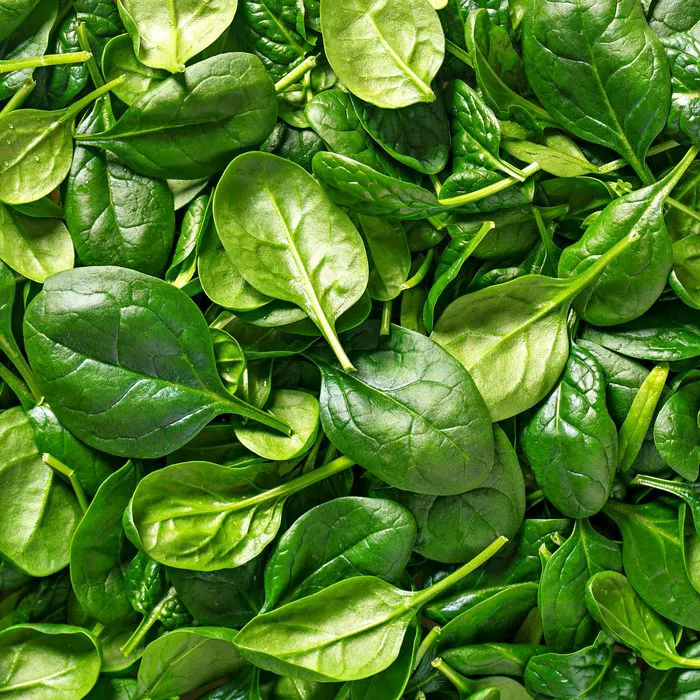
2. Spinach
Leafy greens have long been associated with better cognitive health, and spinach is one particularly nutritious option. A cup of cooked spinach provides approximately 3.7 mg of vitamin E, or roughly a quarter of the recommended daily intake. It also contains other important nutrients, including folate, lutein, and vitamin K.
"Research has linked regularly eating leafy green vegetables with slower cognitive decline as we age, although it doesn't prove spinach alone prevents memory loss," Lewis says.
She recommends adding spinach to scrambled eggs, blending it into a smoothie, or sautéing it with garlic and olive oil. The added fat from olive oil can also help your body absorb vitamin E, which is a fat-soluble nutrient.
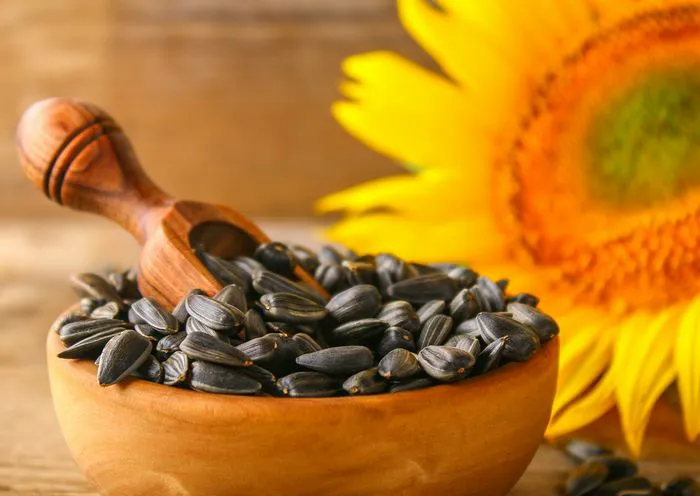
3. Sunflower Seeds
Don't underestimate the nutritional benefits of sunflower seeds. They're one of the richest natural food sources of vitamin E, with just one ounce providing approximately 7.4 mg. That's nearly half of the recommended daily intake for adults, according to the NIH's vitamin E food-source guidelines.
"Vitamin E helps protect brain cell membranes from oxidative stress, which is one of the processes involved in aging," Lewis explains.
They're also inexpensive, portable, and incredibly versatile. Lewis recommends keeping a bag around for snacking or sprinkling sunflower seeds over salads, yogurt, and oatmeal.

4. Rainbow Trout
Nuts and seeds aren't the only foods that can help you get more vitamin E! Fish like rainbow trout is another nutritious option, offering a combination of vitamin E and omega-3 fatty acids that can support overall brain health.
A three-ounce serving of cooked rainbow trout provides approximately 2 mg of vitamin E, depending on the variety and preparation. It also contains omega-3 fatty acids, which play an important role in brain function.
"Omega-3s are important components of brain cell membranes and support normal brain function," Lewis explains. "Together, these nutrients provide antioxidant protection and structural support for healthy brain cells."
For an easy way to incorporate more trout into your diet, Lewis recommends baking it with lemon, garlic, and herbs. You can also flake the cooked fish over a salad with leafy greens for a meal that provides several brain-supporting nutrients.
Ultimately, getting enough vitamin E is just one part of supporting cognitive health as you age. A varied diet that includes nuts, seeds, leafy greens, and omega-3-rich fish can help you get a range of nutrients your body needs.
It's also important to remember that eating vitamin E-rich foods isn't a guaranteed way to prevent dementia or age-related memory loss. The National Institute on Aging notes that there is currently no evidence that eating or avoiding any specific food can prevent Alzheimer's disease or age-related cognitive decline. But a healthier diet certainly won't hurt when it comes to brain health.