



When it comes to heart health, it’s easy to overlook the risks of inflammation. While inflammation is natural in many cases—it’s your body’s response to injury and illness—it can do serious damage when it becomes chronic. As far as your cardiovascular system goes, inflammation can contribute to clogged arteries, heart attacks, and stroke. There are many steps to take toward a healthier heart, but one of the most important factors to consider is your diet.
To shed some light on a few of the worst inflammatory foods to avoid if you want to keep your arteries clean and your heart healthy, we spoke to Dr. Olalekan Otulana, GP and physician. He warned against processed meats, high-fat dairy, processed snacks, and more. Find all of his expert advice below.

Struggling With Sleep? This Rechargeable Sound Machine Is A Total Game-Changer

1. Processed Meats
Processed meats like sausages, bacon, and deli slices are a quick and tasty ingredient, but they come at a major cost to your heart. "Sausages, bacon, and deli meats are high in saturated fats and nitrates," Dr. Otulana explains. "These encourage inflammation and increase plaque formation, raising the risk of artery blockages and heart disease." Processed meats also contain nitrates, which can break down into harmful compounds and lead to further damage to your arteries over time. Try swapping processed meats for fresh, lean proteins.

2. Fried Foods
We know: fried foods are undeniably delicious. From chips to donuts to fried chicken, these are among the most cravable foods. But the unfortunate truth is that they can wreak havoc on your body. "Deep fried foods contain trans fats and oxidised oils which heighten inflammation, damage artery walls, and elevate cholesterol levels," Dr. Otulana says. Baking or air-frying can offer a safer alternative when you're craving something crunchy. And it can taste just as great!

3. Sugary Foods and Drinks
We probably don't have to tell you twice that overindulging in sugar should be avoided. Whether you're sipping on sugary beverages or eating a sweet treat, it's crucial to limit your intake; too much sugar will lead to increased inflammation, and, in turn, heart issues. "Excessive sugar triggers chronic inflammation and elevates insulin levels, contributing directly to arterial stiffness and cardiovascular disease," Dr. Otulana warns. Consistently high blood sugar can also damage your blood vessels. All in all, cutting back on added sugars is one of the simplest and most effective ways to protect your heart.

4. Artificial Trans Fats
Once common in products like margarine, artificial trans fats are now recognized as major health hazards. "Trans fats significantly raise LDL (bad cholesterol) and lower HDL (good cholesterol), making arteries prone to inflammation and clogging," Dr. Otulana explains. As it turns out, even a small amount of trans fats can do a lot of damage. It's crucial to check nutrition labels before throwing an item into your cart; be sure to avoid anything with "partially hydrogenated oils."

5. Red Meat
Sorry, burger lovers! Although red meat can be fine in moderation, it's important to limit your intake. Fatty cuts, in particular, are best avoided. "Red meat is very rich in saturated fat," Dr. Otulana says. "Regular consumption can inflame arterial walls, accelerate plaque buildup, and increase heart disease risks." When you do eat red meat, choose leaner cuts and stick to smaller portions. Try out plant-based proteins to shake things up and keep inflammation at bay!

6. Refined Carbohydrates
Who doesn't love white bread, pasta, and rice? Unfortunately, your heart doesn't love them. "They rapidly spike blood sugar, cause insulin resistance, and elevate inflammation, gradually damaging arteries," Dr. Otulana notes.
Whole grains, which digest more slowly and contain more fiber, are a much better option for keeping blood sugar and inflammation in check.

7. High-Fat Dairy
Cream, butter, and full-fat cheeses are certainly tasty. But they're also high in saturated fat. "High-fat dairy products are very high with saturated fats, which can directly contribute to artery plaque formation and inflammation over time," Dr. Otulana says. This doesn't mean you have to give up dairy altogether—but choosing lower-fat dairy products is a good idea.

8. Excessive Alcohol
A glass of wine may help you unwind, but going overboard is dangerous for many reasons. It could even contribute to your risk of heart disease. "Alcohol can increase blood pressure, induce inflammation, and negatively impact cholesterol balance, significantly damaging arteries with chronic use," Dr. Otulana warns. It's in your health's best interest to limit your intake of alcohol—or cut it out altogether—especially if you want to keep your heart in the best shape possible.

9. Highly Processed Snack Foods
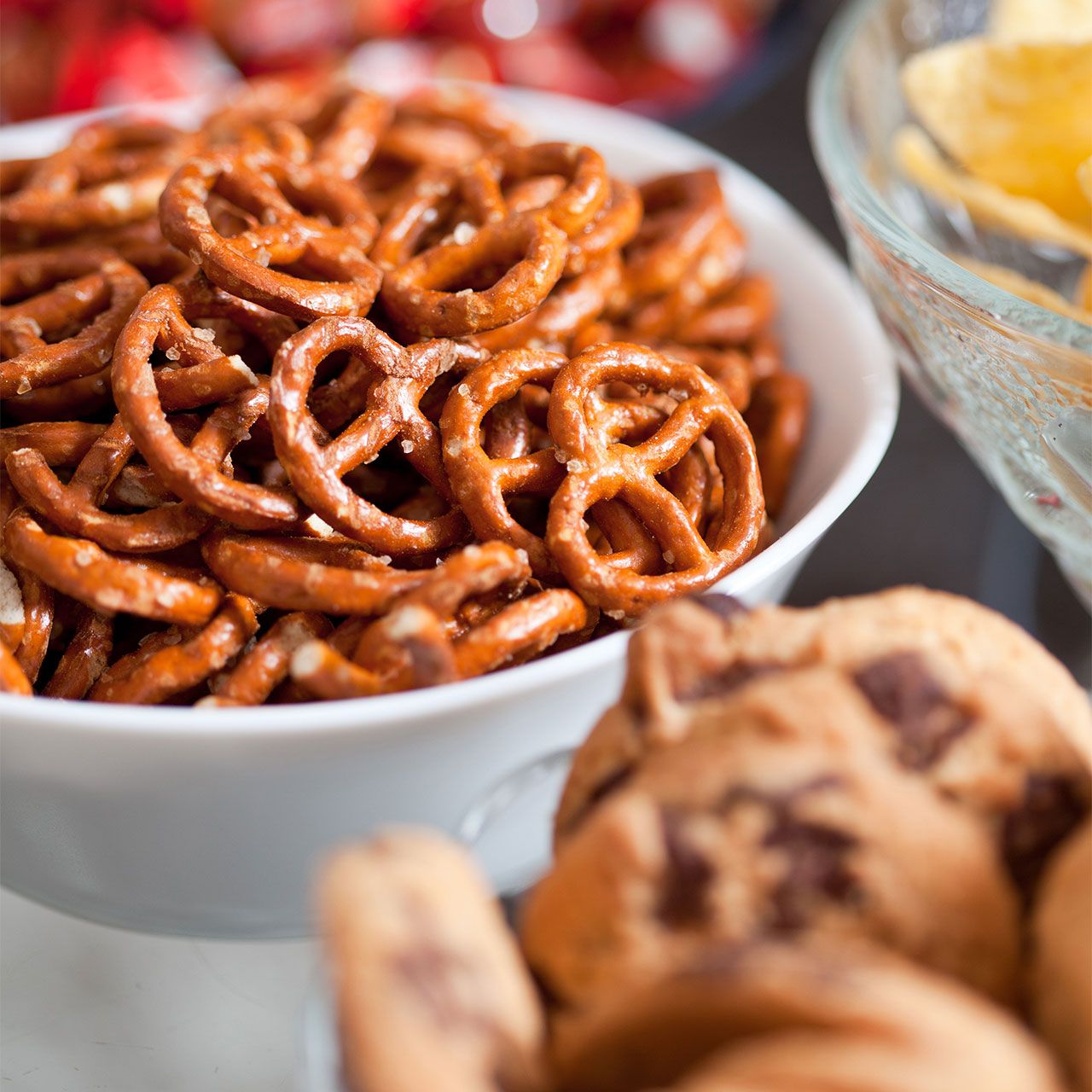
Chips, crackers, and other processed snacks are often loaded with multiple inflammatory ingredients. "These usually will contain unhealthy fats, sugars, and preservatives, all of which fuel inflammation and arterial damage," says Dr. Otulana. The good news is that there are so many healthy alternatives to replace these with. True nuts, fruit, or yogurt next time cravings strike. Your body will thank you!

10. Fast Food
What fast food offers in convenience, you pay for with your health. Many popular fast food meals are chock-full of saturated fats, sugars, and salt, all of which spell trouble for your heart. "Fast food meals typically combine high saturated fats, sugars, salts, and processed ingredients that collectively can lead to chronic inflammation and also blocked arteries," Dr. Otulana explains. Even occasional fast food meals can contribute to long-term damage if you're not careful. Preparing simple meals at home gives you far more control over what goes into your body. But if you really need to stop at the drive-thru, stick with healthy options.

11. Foods High in Salt
Pre-made, store-bought meals, canned soups, and takeout foods are often packed with hidden sodium, which can be a nightmare when it comes to your heart health. "Excess salt intake raises blood pressure, stressing arterial walls and making them more susceptible to inflammation and blockages," Dr. Otulana warns. In general, it's crucial to be mindful of your salt intake. Whenever possible, flavor your meals with herbs, spices, and lemon, and cut back on the salt.


