




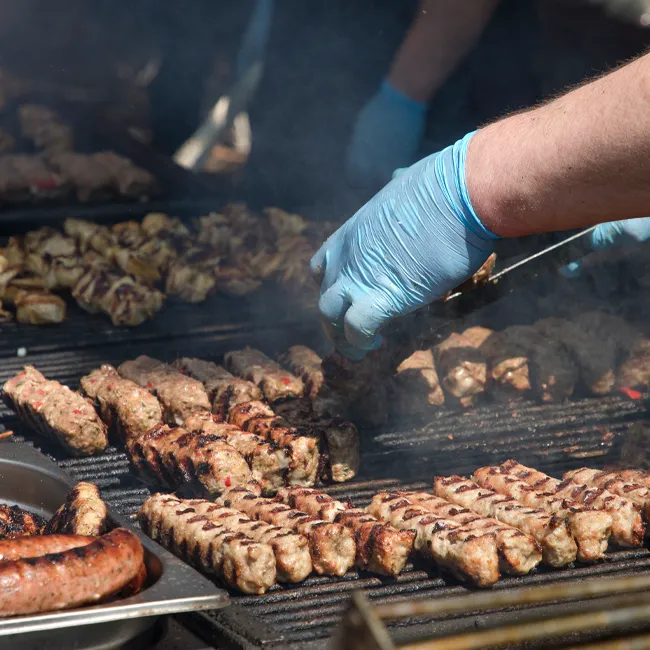
The way you cook your food matters just as much as what you’re putting on your plate. While summer barbecues and weeknight stir-fries may feel harmless, certain cooking habits can quietly increase exposure to compounds linked to cancer and other chronic diseases.
Here are three common cooking practices experts say you may want to rethink — plus simple swaps that can make a big difference.

Women Are Swapping Their Boring Water For This Ice Pop Electrolyte Mix!
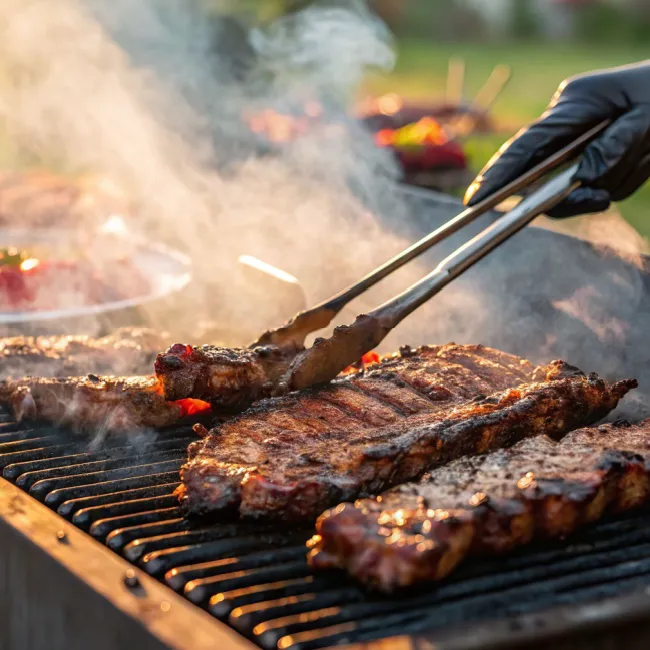
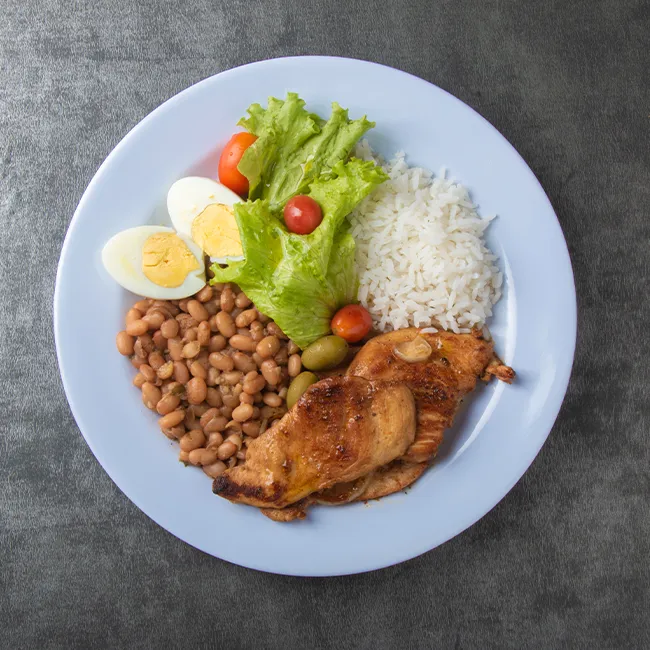
1. Grilling Meat at High Temperatures
Few things are more satisfying than the smoky flavor of grilled steak or chicken. But according to Dr. Pedi Mirdamadi, regularly eating grilled meat may come with hidden risks.
“Did you know that consuming grilled meat on a regular basis carries potential cancer risks?” he says. “This is because grilling causes meat to form carcinogenic compounds called heterocyclic amines.”
Heterocyclic amines (HCAs) form when meat is cooked at very high temperatures. The longer meat is exposed to heat — especially open flames — the more of these compounds develop. Charred or blackened portions of meat are a sign that HCAs have formed.
Research has linked frequent consumption of heavily grilled meats with an increased risk of certain cancers, particularly colorectal cancer.
What to do instead:
- Avoid cooking meat until it’s charred or blackened
- Flip meat frequently to prevent burning
- Cook at slightly lower temperatures
- Consider baking or roasting first, then finishing briefly on the grill
You don’t have to give up grilling entirely — just reduce prolonged high-heat exposure.
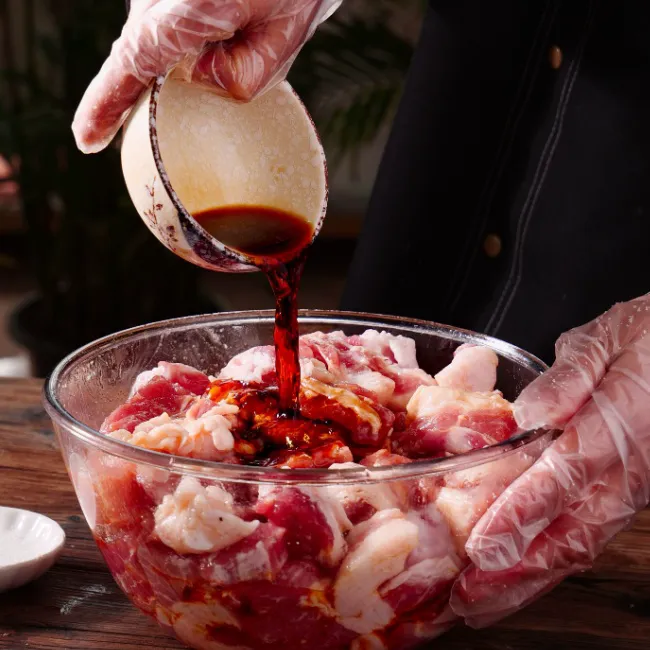
2. Skipping the Marinade Before Grilling
If you’re firing up the grill without marinating your meat first, you may be missing an easy opportunity to reduce harmful compounds.
“Eighty-eight percent — that’s how much you could potentially reduce the carcinogens in your meat with one simple trick,” says Dr. Trisha Pasricha, gastroenterologist at Harvard Medical School and columnist for The Washington Post.
That trick? Marinate your meat for at least one hour before cooking. HCAs form through what’s known as the Maillard reaction — when sugars and amino acids in meat react under high heat (like grilling, broiling, searing, or frying). Studies show that consuming these compounds frequently may increase colorectal cancer risk.
But marinades appear to interrupt this process.
Scientists believe antioxidants in marinades create a protective barrier on the meat, helping prevent HCAs from forming. Research shows that even store-bought marinades — including Southwest or Caribbean-style blends — can significantly reduce carcinogen formation. Marinades containing honey may also be especially effective.
What to do instead:
- Marinate beef, chicken, or fish for at least one hour before cooking
- Use marinades with herbs, spices, citrus, vinegar, or honey
- Don’t skip this step when grilling or broiling
It’s a small time investment that could make a meaningful difference.
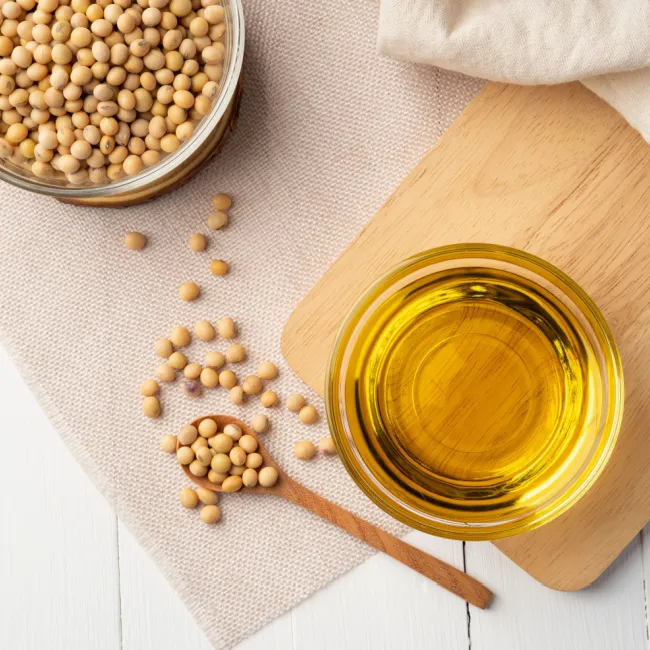
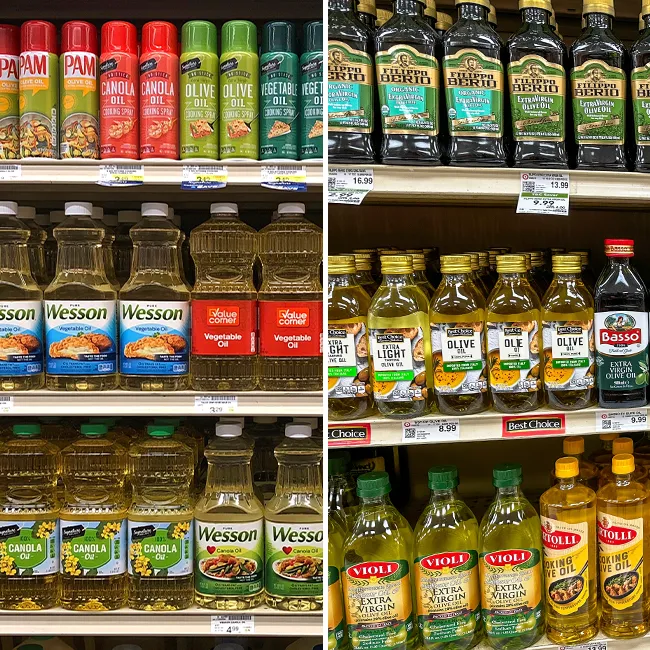
3. Cooking Regularly With Soybean Oil
Soybean oil is one of the most widely used cooking oils in the United States, found in everything from home kitchens to processed foods. But its fatty acid profile raises concerns. Soybean oil is high in omega-6 polyunsaturated fatty acids.
While omega-6 fats are essential, consuming them in excess — especially without enough omega-3 fats — can promote inflammation in the body. “Soybean oil is high in omega-6 fatty acids, which in excess can promote inflammation,” explains nutrition expert Krutika Nanavati. “This inflammation has been linked to chronic conditions such as heart disease, cancer, and autoimmune diseases.”
Chronic inflammation is increasingly recognized as a contributor to long-term disease risk, including certain cancers.
What to do instead:
When choosing cooking oils, experts recommend considering both fatty acid composition and smoke point. Healthier alternatives include:
- Olive oil, rich in monounsaturated fats and antioxidants
- Avocado oil, which has a high smoke point
- Coconut oil, stable at higher temperatures
Olive oil, in particular, has been associated with reduced heart disease risk thanks to its anti-inflammatory properties.
The Bottom Line
You don’t need to overhaul your kitchen overnight. But small shifts — like marinating your meat, avoiding heavy charring, and swapping out your cooking oil — can reduce exposure to potentially harmful compounds. Cancer risk is influenced by many factors, including genetics, overall diet, and lifestyle.
Still, how you cook your food is one piece of the puzzle that’s entirely within your control. And sometimes, the healthiest upgrade isn’t about what you eat — but how you prepare it.