



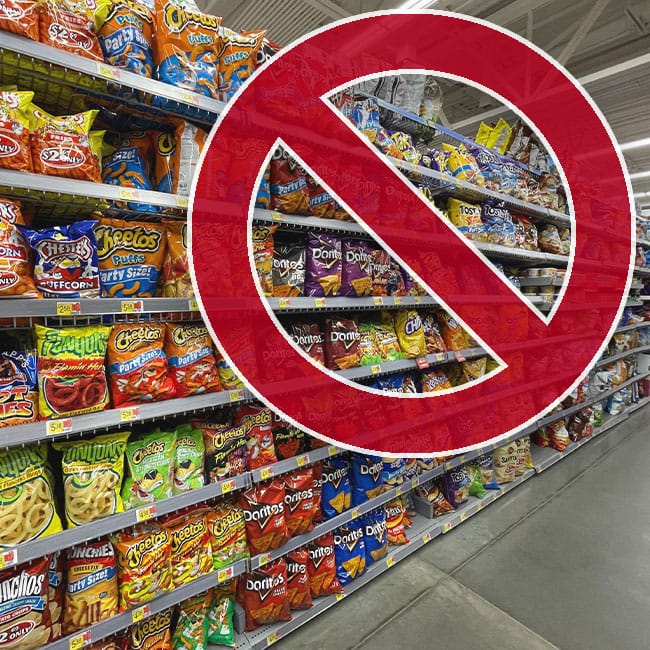
If you’re serious about protecting your long-term health, some of the most dangerous foods in your diet may be hiding in plain sight. According to Mark Hyman, MD, many common grocery-store staples have been “scientifically proven to cause disease and death”—and he believes they shouldn’t be eaten at all.
During one episode of The Dr. Hyman Show, Hyman spoke candidly with guest Dhru Purohit about the ingredients he says are driving chronic illness worldwide. Here are the six foods Dr. Hyman says pose the greatest risk to health and lifespan.

Struggling With Sleep? This Rechargeable Sound Machine Is A Total Game-Changer

1. Trans Fats (Hydrogenated and Partially Hydrogenated Oils)
Trans fats top Dr. Hyman’s list of foods to avoid entirely. These fats are created when vegetable oils are chemically altered through hydrogenation to become solid and shelf-stable.
"They’re highly proven to cause heart attacks, diabetes, inflammation—and they’re toxic," Hyman says. While trans fats were officially banned in the U.S., he warns that loopholes still allow them to appear in packaged foods. "Look at the ingredient list," he advises. "Never eat anything that says hydrogenated or partially hydrogenated."

2. High-Fructose Corn Syrup
Dr. Hyman calls high-fructose corn syrup "just about as bad" as trans fats. Unlike regular sugar, which contains a roughly equal mix of glucose and fructose, high-fructose corn syrup can contain up to 60–70% fructose.
"Fructose is a very toxic compound when it’s free and unattached to fruit," Hyman explains. He says excessive intake damages the liver, contributes to fatty liver disease, and drives inflammation and insulin resistance. According to Hyman, it’s also linked to heart disease, cancer, diabetes, obesity, dementia, and gut dysfunction. "It depletes the energy in your gut," he says, leading to leaky gut and "a whole host of downstream consequences."

3. Ultra-Processed Foods
Ultra-processed foods now make up about 60% of the average adult’s diet and roughly 67% of children’s diets, according to Hyman. These products are typically made from highly refined ingredients like wheat, corn, and soy.
"They shouldn’t really be called food," Hyman says. A simple way to identify them? "If you look at the ingredient list and can’t tell what it is—or can’t pronounce it—you probably shouldn’t eat it." He adds that ultra-processed foods have been linked to 11 million deaths globally, highlighting their serious impact on public health.

4. Artificial Sweeteners
Although often marketed as healthier alternatives to sugar, artificial sweeteners may actually worsen metabolic health. Dr. Hyman explains that they can damage the gut microbiome and increase diabetes risk.
"They’re up to 1,000 times sweeter than regular sugar," he says, which confuses the brain and triggers metabolic effects that increase hunger. "People who eat artificial sweeteners are more likely to be overweight," Hyman adds. Who knew?!

5. Foods Containing Toxic Preservatives
Dr. Hyman also warns about chemical additives that remain legal despite questionable safety data. "The FDA is not very good at protecting us from toxic chemicals," he says, calling out BHT, a common preservative used in packaged foods.
While these additives extend shelf life, Hyman cautions that regular exposure may contribute to long-term health issues.

6. Non-Organic ‘Dirty Dozen’ Produce
Finally, Dr. Hyman urges consumers to limit pesticide exposure by avoiding non-organic versions of the so-called "Dirty Dozen"—produce items known to contain the highest pesticide residues.
-
Strawberries
-
Spinach
-
Kale, collard & mustard greens
-
Grapes
-
Peaches
-
Pears
-
Nectarines
-
Apples
-
Bell & hot peppers
-
Cherries
-
Blueberries
-
Green beans
"You really want to minimize your risk of pesticides," he says, recommending organic options whenever possible to reduce cumulative toxin exposure.

The Bottom Line
All in all, there's no doubt that many foods lining supermarket shelves are actively harming your health. From ultra-processed foods that dramatically raise mortality risk to hidden trans fats and artificial sweeteners that disrupt metabolism, Dr. Hyman believes these ingredients should be avoided altogether.


