



Close-up of laptop use in a clean office environment.
Chic haircut styles for women over 50 to try in 2026.
Donald Trump promoting maternal healthcare at an event.

Health

3 Worst Habits That Are 'Destroying' Your Sleep And Increasing The Risk Of Alzheimer's, According To A Brain Health Expert

May 16, 2025 by Mariam Qayum
shefinds | Health
Featured image

Sleep plays a crucial role in your overall health, affecting everything from mood and energy to weight and immune function. Yet, many people struggle with poor sleep without realizing that everyday habits might be to blame. From late-night screen time to caffeine overload or inconsistent sleep schedules, certain behaviors can disrupt your body’s natural rhythms and make it harder to fall—and stay—asleep. Recognizing and changing these sleep-sabotaging habits is the first step toward getting the restful, restorative sleep your body needs.

Neuroscientist Robert Love recently shared the three worst habits to quit because they can “destroy” your sleep and even “increase the risk of Alzheimer’s” because lack of quality sleep is linked to declining brain health. According to him, TV in the bedroom, eating 2 hours before bed, and checking emails are the worst habits to avoid. Read on to learn more.

house unit img
Women Are Swapping Their Boring Water For This Ice Pop Electrolyte Mix!

Elegant bridal hairstyle inspiration for weddings and special events.

1. TV in the bedroom

TVs emit blue light, which interferes with your body’s production of melatonin—the hormone that helps regulate sleep. This can make it harder to fall asleep and reduce overall sleep quality.

Love says having a TV in your bedroom will lead to “poor quality sleep.”
Trendy makeup look showcasing vibrant colors and bold styles.

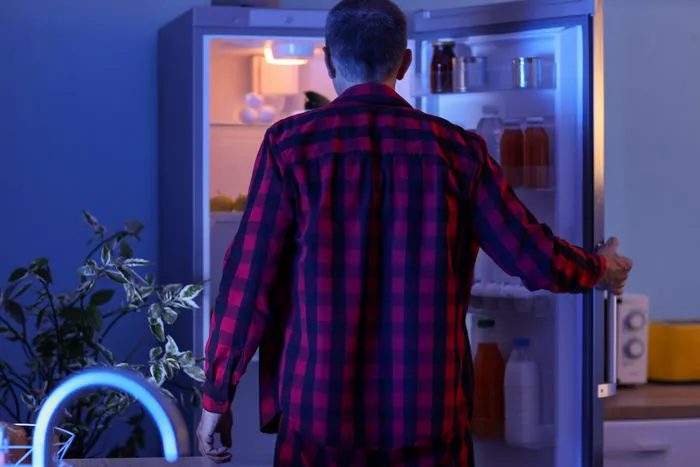
2. Eating 2 hours before bed

Your body is less efficient at digesting food when you're lying down. Eating too close to bedtime can lead to indigestion, bloating, or acid reflux, making it harder to fall or stay asleep.

“If you eat close to bedtime, this impairs sleep. Digestion takes a lot of energy and blood flow, so if you have a full stomach when you go to bed, your body’s energy is being used to digest food rather than repair your body," he says.

To support better sleep, aim to finish your last meal at least 2–3 hours before going to bed, and keep it light and balanced if you're genuinely hungry.
Elegant wedding dress displayed on a mannequin in a boutique.

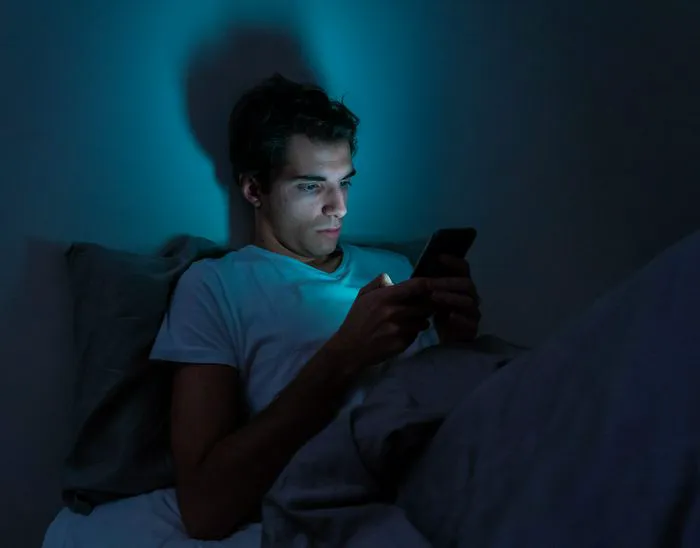
3. Checking emails

Emails often involve work, stress, or to-do lists that activate your brain and increase anxiety or alertness—exactly the opposite of what you need before winding down.

Love cites the blue light emitted from the phone as something that can impair sleep and reduce melatonin. He also says thinking and reading about work or other emails can cause stress, and stress is the number one thing “impairing sleep in Americans.” He recommends checking them 2 hours before bed and spending the hour before bed reading a book, listening to music, or spending time with loved ones.

Author:

Editorial Assistant

Mariam is an Editorial Assistant and writer at SheFinds, covering everything from style and beauty to health and wellness. Splitting her time between New York and Philadelphia, she brings a sharp eye for trends and a passion for storytelling to the digital space. With a strong editorial background, she’s always exploring the latest in fashion, skincare, and wellness. When she’s not writing or pitching, you’ll find her in the kitchen experimenting with new recipes or planning her next travel adventure. You can reach Mariam at mariam@shefinds.com.

Woman applying sunscreen for sun protection.
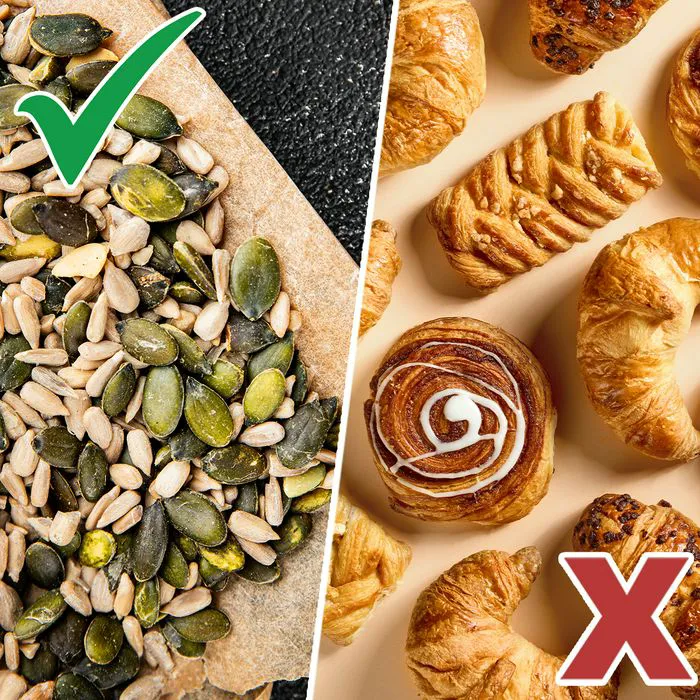
Healthy seeds displayed, not pastries.
Grocery store aisle with sugar and sweeteners.
Person having a lunch meal.
Sipping spearmint tea in a cozy setting.
Frustrated older woman touching her head in distress
Woman experiencing chest pain, seeking medical attention
Variety of bread types showcased on a table.
Woman holding her head, expressing stress.
Woman experiencing joint pain while sitting.
Variety of fast food from Dunkin', Chick-fil-A, Starbucks.
Woman adding sugar to a steaming cup of coffee.
Tasty bagels with blueberries and butter on a wooden board.
Pouring vitamin D into palm for healthy skin benefits.
Comparison of cooking spray and olive oil for healthy cooking.
Older woman taking dietary supplements with water.
Brazilian dish featuring rice, beans, and chicken from above.
Handful of assorted dietary supplements in palm.
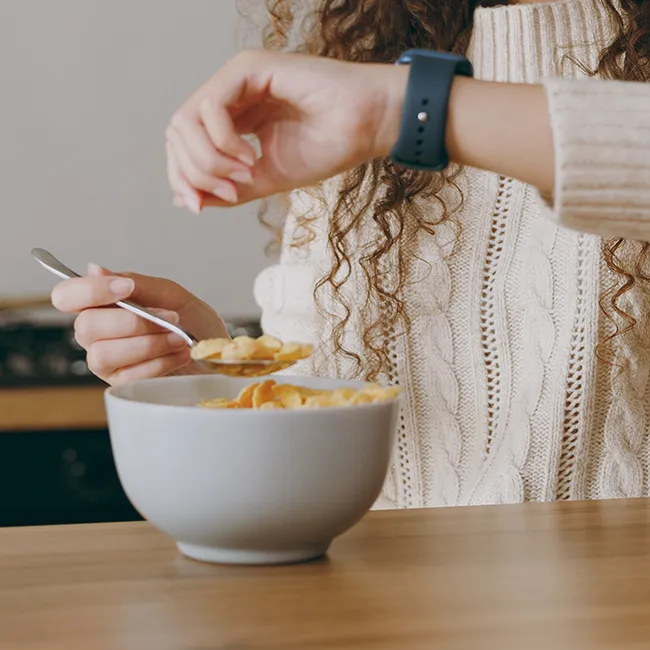
Close-up of watch as someone eats breakfast.
Pouring supplement powder into a glass of water.
Woman applying sunscreen for sun protection.
Healthy seeds displayed, not pastries.
Grocery store aisle with sugar and sweeteners.
Person having a lunch meal.
Sipping spearmint tea in a cozy setting.
Frustrated older woman touching her head in distress
Woman experiencing chest pain, seeking medical attention
Variety of bread types showcased on a table.
Woman holding her head, expressing stress.
Woman experiencing joint pain while sitting.
Variety of fast food from Dunkin', Chick-fil-A, Starbucks.
Woman adding sugar to a steaming cup of coffee.
Tasty bagels with blueberries and butter on a wooden board.
Pouring vitamin D into palm for healthy skin benefits.
Comparison of cooking spray and olive oil for healthy cooking.
Older woman taking dietary supplements with water.
Brazilian dish featuring rice, beans, and chicken from above.
Handful of assorted dietary supplements in palm.
Close-up of watch as someone eats breakfast.
Pouring supplement powder into a glass of water.