

The supplement aisle can feel overwhelming, especially for women over 40 navigating hormonal changes that come with perimenopause and menopause. While vitamins and herbs are often marketed as a quick fix for fatigue, mood swings, or hot flashes, endocrinologists warn that some may actually do more harm than good.
According to recent reporting in The Guardian, experts stress that many menopause and hormone-related supplements are poorly regulated, lack scientific backing, and may even cause health complications rather than relief. So, which ones should women over 40 approach with caution?
Here are three supplements that endocrinologists and women’s health experts say may be ‘disrupting’ hormones and contributing to fatigue.

Struggling With Sleep? This Rechargeable Sound Machine Is A Total Game-Changer

1. Multi-Ingredient Adaptogen Blends
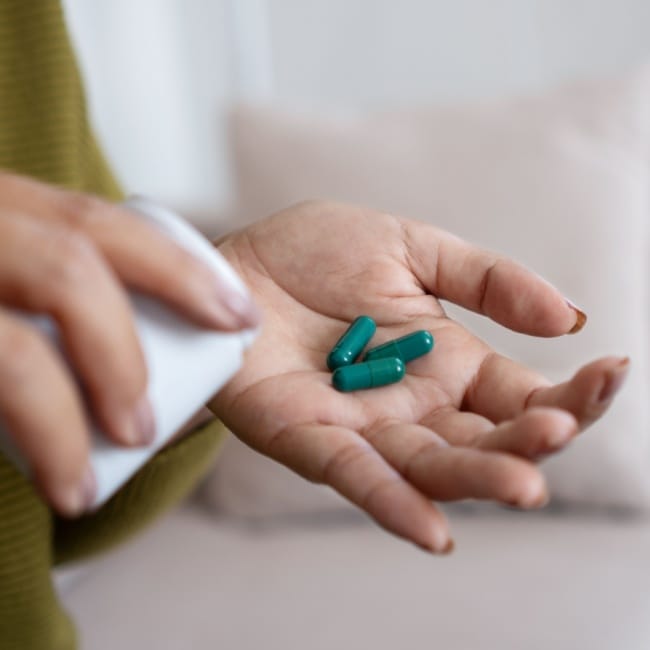
Adaptogens like ashwagandha and rhodiola are widely promoted for stress relief and hormonal support. But when taken in high doses or as part of multi-ingredient blends, they may carry risks. Cases of liver injury have been reported with some herbal formulations, according to The Guardian, raising red flags about the lack of quality control in the supplement industry.
Instead of relying on complex blends, endocrinologists recommend working with a healthcare provider to determine whether a single, well-researched adaptogen in a safe dose might help—or exploring non-supplement approaches like sleep and stress management.
2. “Hormone-Boosting” Herbal Formulas
Supplements made with ingredients like wild yam extract are often advertised as natural hormone balancers. But experts caution these claims are misleading. “Nutrition has far more powerful effects on hormones than unregulated herbal pills,” notes Time. Without clinical evidence, these supplements may upset the body’s natural balance rather than correct it.
In fact, The Guardian highlights how many of these so-called hormone-balancing products have no proven effect on estrogen or progesterone. That means women may spend money without getting results—or worse, unknowingly worsen symptoms.
3. High-Dose Phytoestrogens and Hormonal Herbs
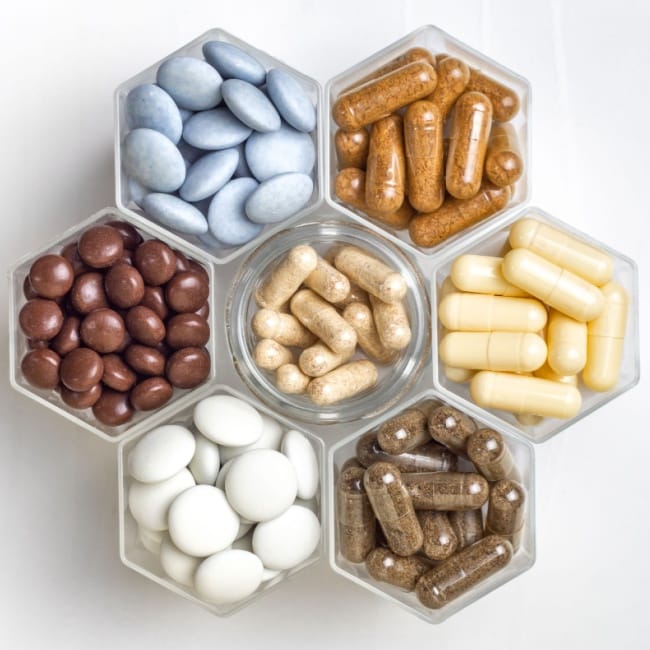
Herbs and compounds such as black cohosh and soy isoflavones are popular with women seeking relief from hot flashes and other menopausal symptoms. But according to women’s health expert Dr. Jolene Brighten, overuse of these supplements can mimic estrogen in the body and may disrupt normal endocrine function.
In small amounts and under medical supervision, phytoestrogens may have a place. But when self-prescribed and taken in excess, they can lead to hormone imbalance, bloating, or persistent fatigue.
The Bottom Line
Hormones are delicate, and supplements that claim to “reset” or “balance” them often don’t live up to the marketing hype. Experts agree that diet, lifestyle changes, and medical guidance remain the safest and most effective ways to support hormonal health after 40. “Supplements are not harmless,” one expert told The Guardian. “They can disrupt hormones, they can cause fatigue, and in some cases they can even damage the liver.”
Before starting—or stopping—any supplement, women should talk to a doctor or endocrinologist. A personalized approach ensures that treatments don’t just mask symptoms, but truly support long-term health and well-being.