


Managing blood sugar levels is crucial for overall health, especially for individuals with diabetes or those at risk. While some supplements are marketed to support blood sugar control, certain ones may inadvertently cause blood sugar spikes. Understanding which supplements to approach with caution can help prevent unwanted health complications. Read on to discover four supplements you should stay away from if you’re concerned about spiking your blood sugar levels.

Struggling With Sleep? This Rechargeable Sound Machine Is A Total Game-Changer
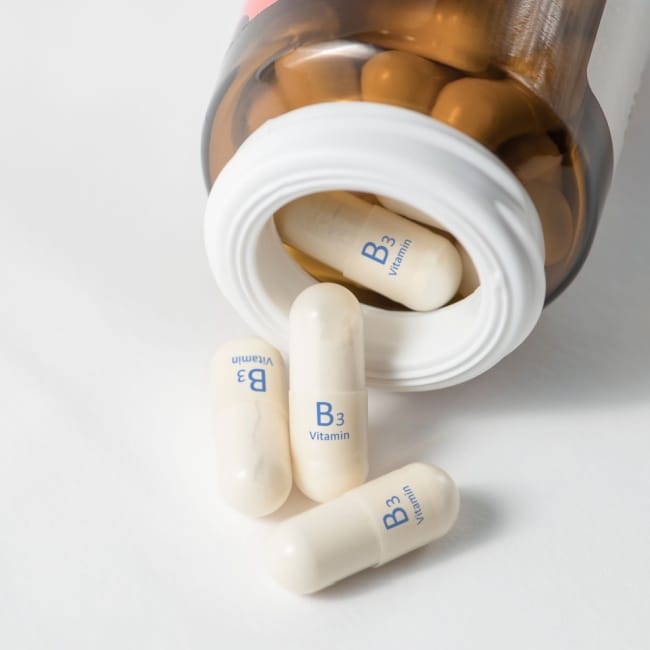
1. Niacin (Vitamin B3)
Niacin, or nicotinic acid, is commonly used to manage cholesterol levels. However, it can also raise blood glucose levels. According to ColumbiaDoctors, niacin can increase blood sugar by affecting insulin sensitivity, potentially leading to hyperglycemia, especially in individuals with diabetes.
2. Ginkgo Biloba
Ginkgo biloba is often taken for cognitive enhancement and memory support. However, it may interfere with blood sugar regulation. A study highlighted by GoodRx found that ginkgo biloba could raise blood glucose levels in people taking oral diabetes medications by potentially causing the liver to break down insulin more rapidly.

3. St. John’s Wort
St. John's Wort is primarily used for mood disorders and depression. However, it can interact with diabetes medications, rendering them less effective. Research from diaTribe.org indicates that St. John's Wort may cause a buildup of metformin in the body, leading to increased insulin release and potential blood sugar fluctuations.
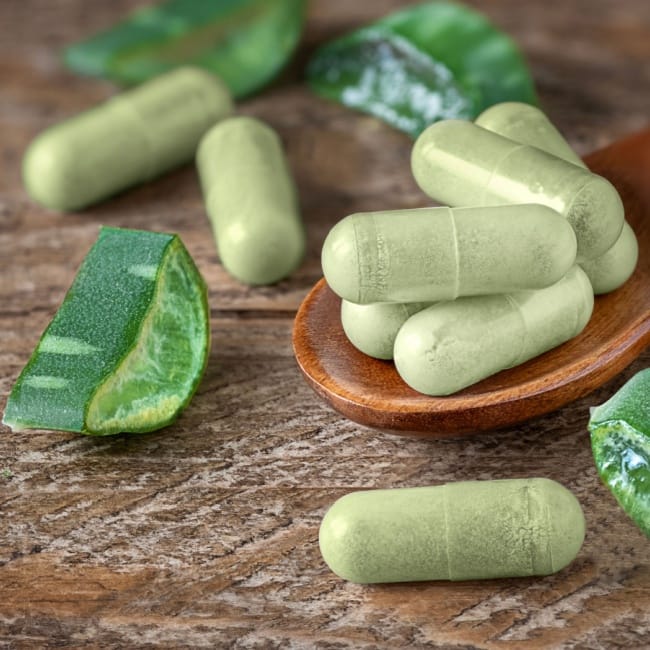
4. Aloe Vera
Aloe vera is known for its soothing properties and is used in various health supplements. While it may offer benefits for skin and digestive health, aloe vera can lower blood sugar levels. According to Encompass Health, aloe vera may enhance the effects of diabetes medications, potentially leading to hypoglycemia if not monitored closely.
Conclusion
While supplements can offer health benefits, it's essential to be aware of their potential effects on blood sugar levels. Niacin, ginkgo biloba, St. John's Wort, and aloe vera are among the supplements that may cause blood sugar spikes or interfere with diabetes medications. Always consult with a healthcare provider before starting any new supplement regimen, especially if you have diabetes or are at risk, to ensure they are safe and appropriate for your health needs.