


Fine hair can be incredibly versatile, but the right haircut can make a big difference in how much movement, shape, and fullness it has. While certain cuts can create the illusion of thicker, more voluminous strands, others can unintentionally weigh fine hair down or make it appear flatter than it really is. And sometimes, the culprit isn’t the overall length, but a small detail like where layers begin, how the ends are cut, or the type of bangs you choose.
The key is working with your hair’s natural texture rather than fighting against it. Hairstylists know that a few strategic choices can help fine hair look bouncier and more dimensional, while certain cutting techniques can have the opposite effect. In order to avoid mistakes, it helps to know the mistakes first, so we are breaking down five of the biggest haircut mistakes professionals say can make fine hair look even flatter.

Women Are Swapping Their Boring Water For This Ice Pop Electrolyte Mix!
1. Cutting Hair With a Razor
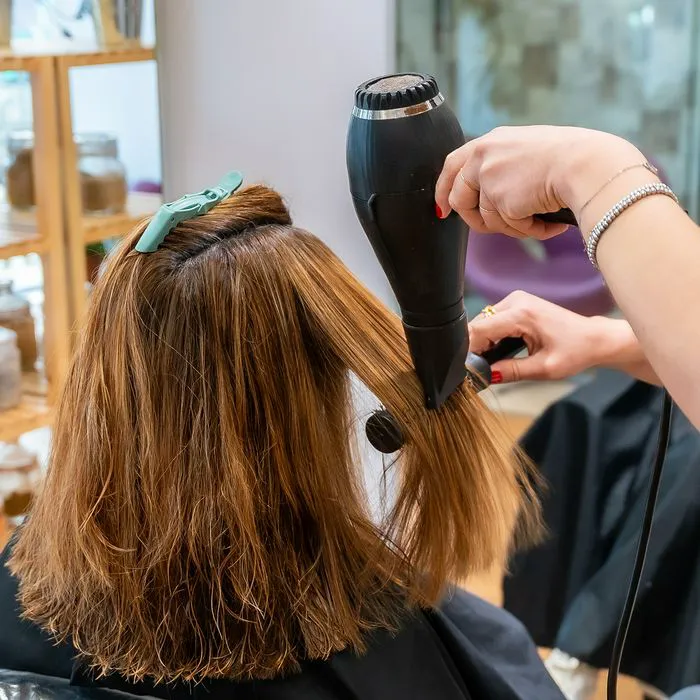
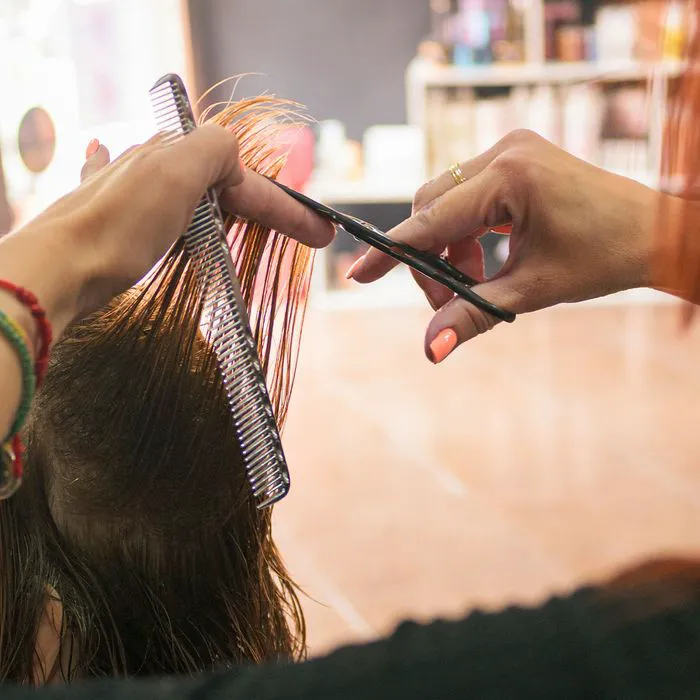
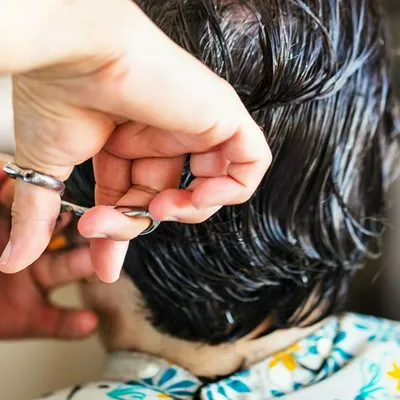
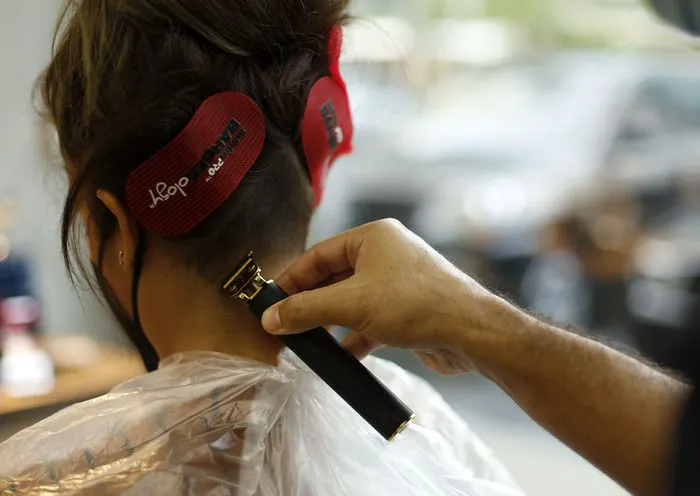
Razor cutting can create beautiful, piece-y texture on certain hair types, but it can be tricky when you have fine hair. Because a razor removes weight and thins out the ends as it cuts, it may leave already-fine strands looking wispy, sparse, or less substantial, especially if it’s used too aggressively. Fine hair often benefits from maintaining a little more density through the ends, so a clean scissor cut or subtle point cutting may be a better way to add movement without sacrificing the appearance of fullness.
2. Cutting Too Many Layers
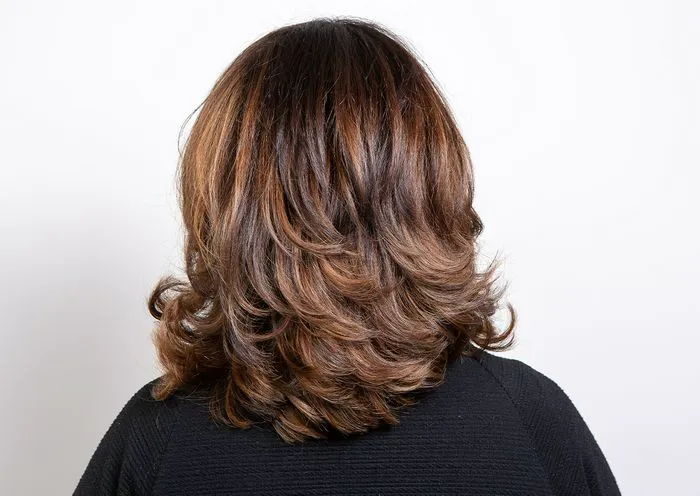
Layers are often recommended for adding movement and volume, but with fine hair, there can definitely be too much of a good thing. Lots of short or heavily textured layers can remove valuable density, causing the ends to look thin and the overall shape to fall flat rather than appear fuller. Instead, consider asking your stylist for fewer, strategically placed layers that create lift and movement while keeping plenty of weight around the perimeter.
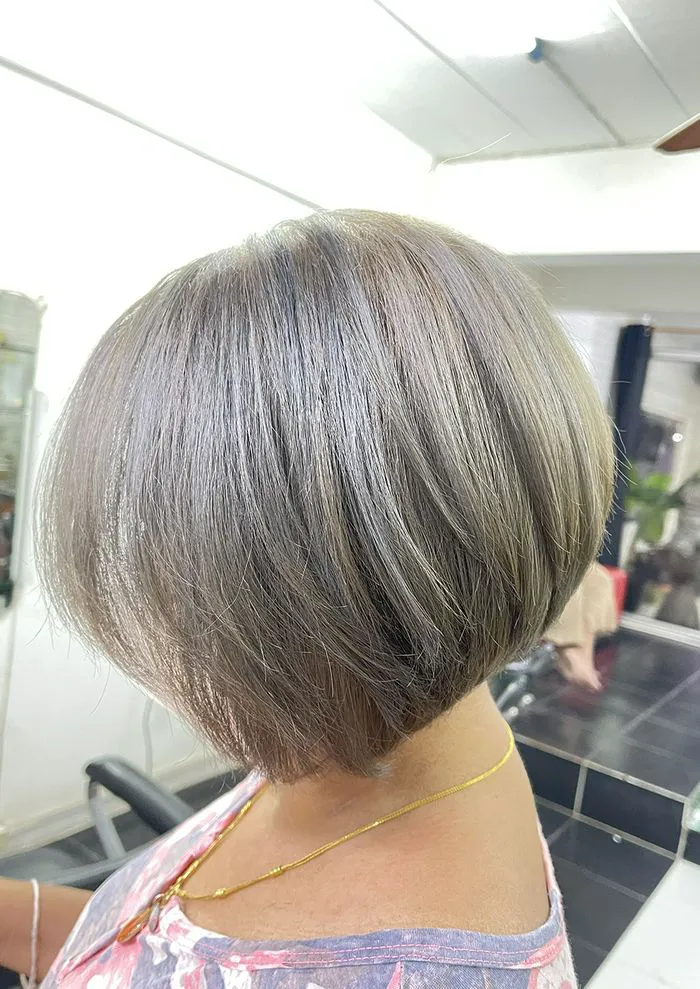
3. Getting a Bob That's Too Graduated
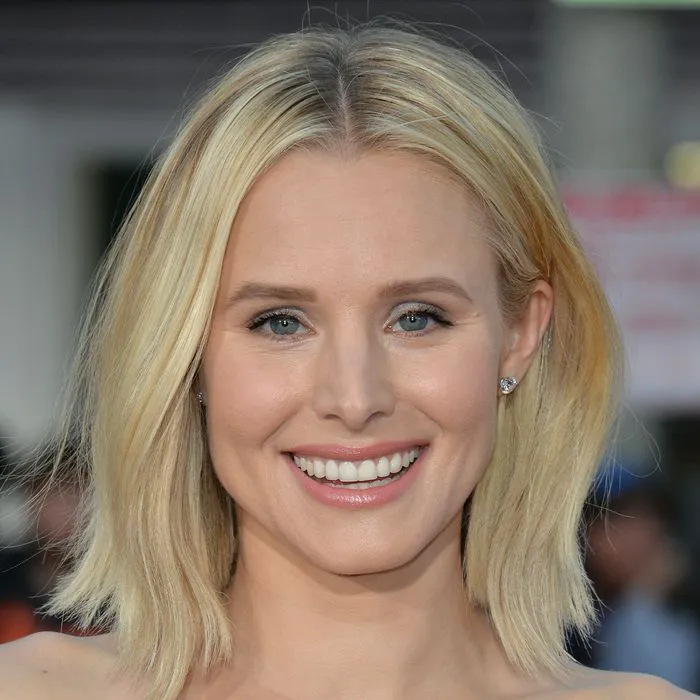
A bob can actually be one of the most flattering cuts for fine hair, but an overly graduated version may work against the fullness you’re trying to create. When the back is heavily stacked with lots of short layers and the front is dramatically angled, too much hair can be removed from the lower portion of the cut, making the ends appear thinner. A softer, more subtly graduated bob, or a fuller, mostly one-length bob with minimal layering, can maintain density while still giving the hair a polished shape and natural-looking volume.
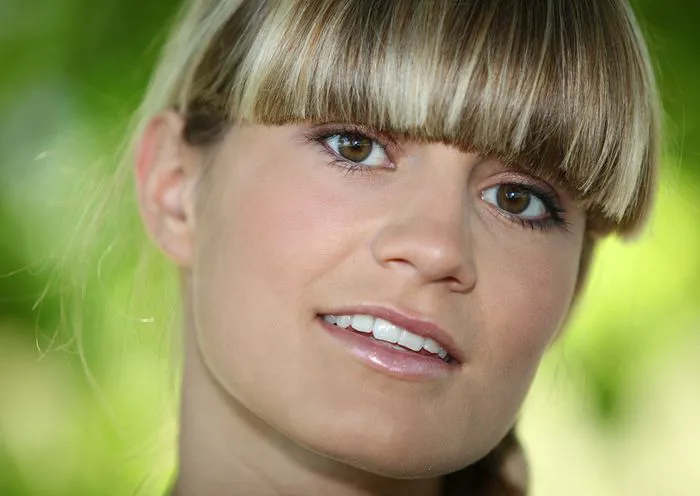
4. Getting Heavy, Blunt Bangs
Thick, straight-across bangs require a stylist to pull a significant section of hair forward, which can mean borrowing precious strands from the rest of your hairstyle. On fine hair, that can leave both the bangs and the areas around the temples looking thinner than you intended. Wispy bangs, airy curtain bangs, or a soft side-swept fringe can provide a face-framing effect without requiring as much hair.
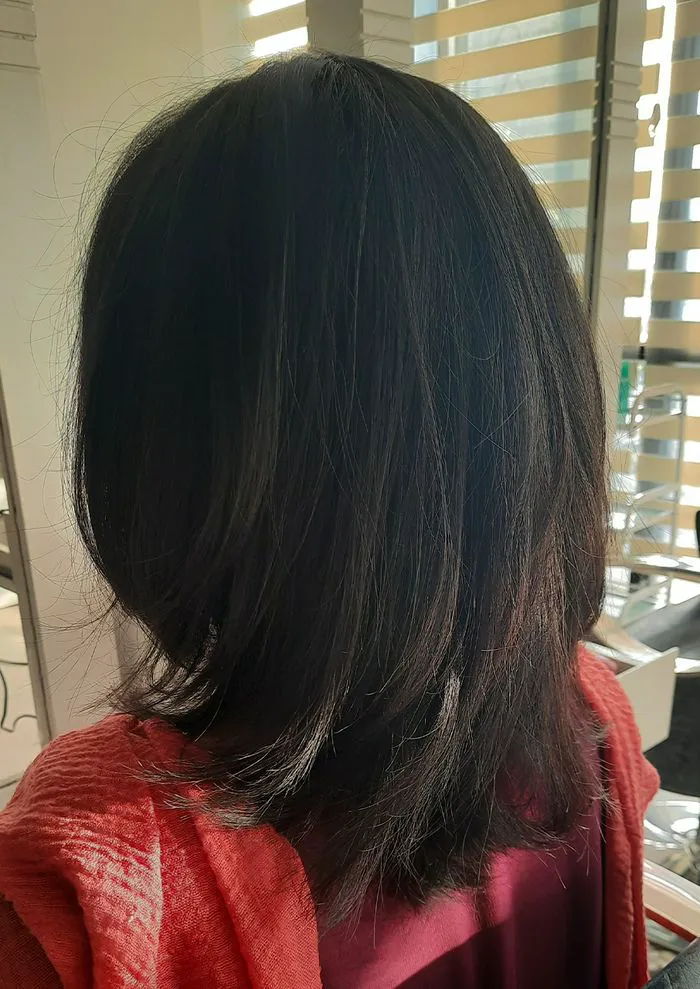
5. Not Getting Enough Layers
Layers are often recommended for adding movement and volume, but with fine hair, there can definitely be too much of a good thing. Lots of short or heavily textured layers can remove valuable density, causing the ends to look thin and the overall shape to fall flat rather than appear fuller. Instead, consider asking your stylist for fewer, strategically placed layers that create lift and movement while keeping plenty of weight around the perimeter.