





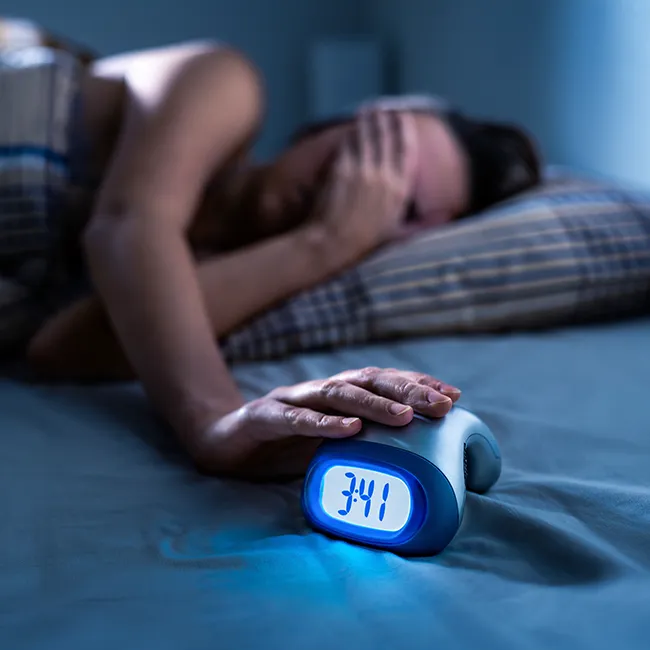
If you’re struggling to fall asleep or waking up feeling exhausted, your nighttime habits—not your mattress—could be to blame. According to health experts, many people unknowingly sabotage their sleep with everyday routines that interfere with the body’s natural ability to rest and recover. From screen time to late-night snacking, these common mistakes can disrupt melatonin production, increase stress levels, and leave you tossing and turning without realizing why.

Women Are Swapping Their Boring Water For This Ice Pop Electrolyte Mix!

1. TV in the bedroom
TVs emit blue light, which interferes with your body’s production of melatonin—the hormone that helps regulate sleep. This can make it harder to fall asleep and reduce overall sleep quality.
According to neuroscientist Robert Love, having a TV in your bedroom will lead to “poor quality sleep.”

2. Eating 2 hours before bed
Your body is less efficient at digesting food when you're lying down. Eating too close to bedtime can lead to indigestion, bloating, or acid reflux, making it harder to fall or stay asleep.
“If you eat close to bedtime, this impairs sleep. Digestion takes a lot of energy and blood flow, so if you have a full stomach when you go to bed, your body’s energy is being used to digest food rather than repair your body," he says.
To support better sleep, aim to finish your last meal at least 2–3 hours before going to bed, and keep it light and balanced if you're genuinely hungry.

3. Checking emails
Emails often involve work, stress, or to-do lists that activate your brain and increase anxiety or alertness—exactly the opposite of what you need before winding down.
Love cites the blue light emitted from the phone as something that can impair sleep and reduce melatonin. He also says thinking and reading about work or other emails can cause stress, and stress is the number one thing “impairing sleep in Americans.”
He recommends checking them 2 hours before bed and spending the hour before bed reading a book, listening to music, or spending time with loved ones.
The bottom line
The good news? Better sleep may be easier to achieve than you think. By cutting out habits like watching TV in bed, eating too close to bedtime, and checking emails late at night, you can support your body’s natural sleep cycle and improve both the quality and duration of your rest. Small, consistent changes to your evening routine can make a big difference in how refreshed and energized you feel each day.