





With every flashy iPhone launch comes the temptation: should you upgrade or is your older phone just fine? The lure of better cameras, faster processors, and sleek new designs can make it feel like your current phone is suddenly outdated. Not to mention: it’s fun to have the newest tech device in your hand. But constantly upgrading every year or two isn’t just unnecessary for most people, but can be a serious drain on your finances.
So how often should you really replace your iPhone?
Tech experts say the answer depends less on hype and more on practical factors like performance, software support, and how you use your phone day-to-day. Here’s what some pros say about how often to replace your iPhone.

Struggling With Sleep? This Rechargeable Sound Machine Is A Total Game-Changer
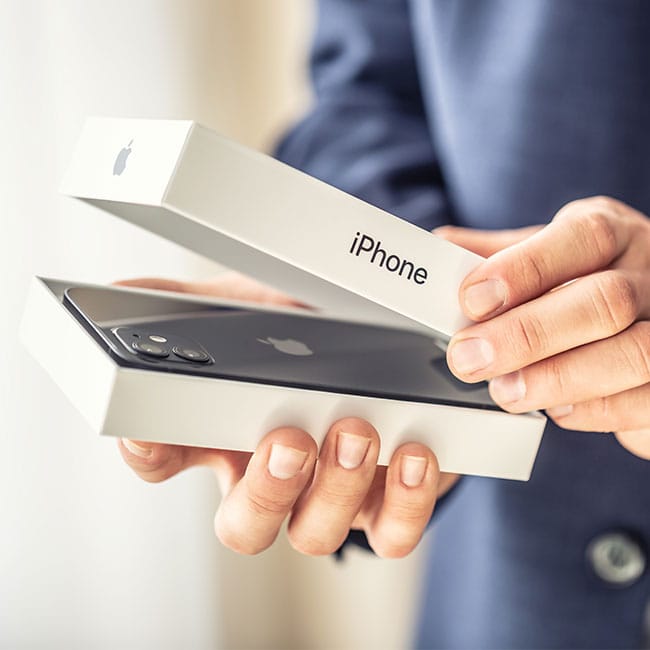
Replacing Your Battery May Help
If your iPhone’s battery isn’t holding a charge like it used to, it doesn’t automatically mean you need a brand-new phone. In many cases, a simple battery replacement can breathe new life into your device, restoring its performance and making it feel almost like new. Apple offers battery replacements through its stores and authorized service providers. If your phone is still running smoothly otherwise—no major performance lags, display issues, or hardware failures—a new battery can be a cost-saving solution.
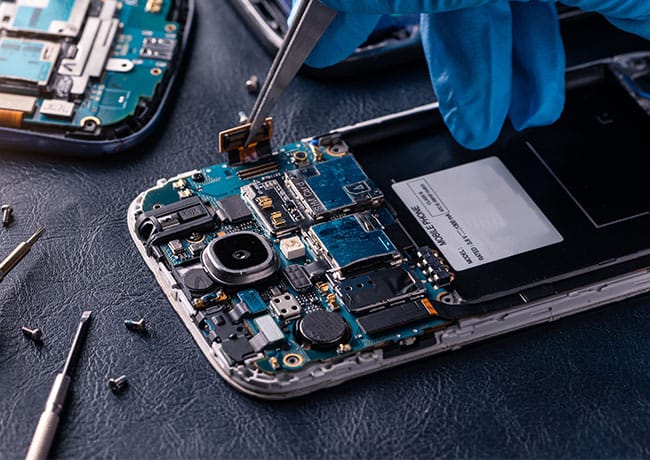
Signs to Replace Your Phone
There are some signs that suggest it might be smarter to invest in a new iPhone rather than just replacing the battery. If your device no longer receives iOS updates, struggles with speed and responsiveness, or has ongoing hardware issues like a cracked screen, faulty camera, or ports that won't charge, a replacement might not be worth the repair costs. If your phone is more than five or six years old, newer apps and features may no longer be compatible or run properly.