





Concealer can be one of those makeup products that suddenly seems to change the rules on you. A formula that once blended beautifully and made your complexion look fresh may start settling into fine lines, appearing dry or cakey, or drawing more attention to the areas you were hoping to subtly brighten. That doesn’t mean there’s anything wrong with your skin—or that you need to pile on more product. As skin naturally becomes drier and its texture changes with age, the way you apply concealer may simply need to change along with it.
Mature skin often looks its most radiant with a lighter hand, a hydrating formula, and strategic placement only where coverage is really needed. A few small tweaks can help concealer look smoother, fresher, and more like skin. This is the major reason why your concealer may not look the same.

Women Are Swapping Their Boring Water For This Ice Pop Electrolyte Mix!
1. Applying Too Much Concealer
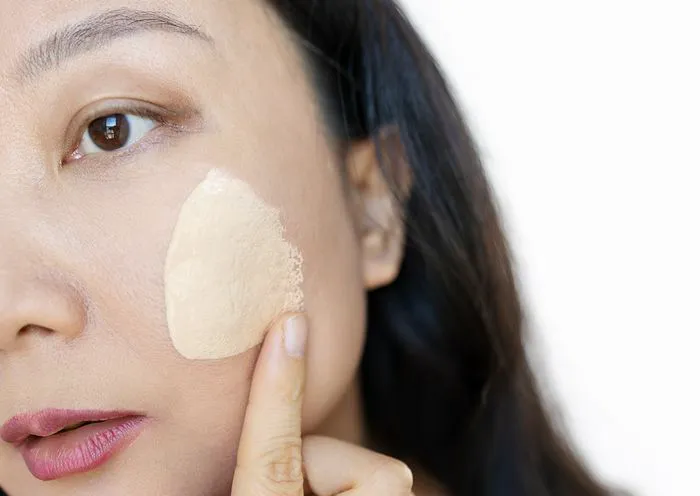
Applying too much concealer can have the opposite effect of what you’re hoping to achieve, especially on mature skin. As skin becomes naturally drier and fine lines and texture become more noticeable, a thick layer of concealer can settle into creases, cling to dry patches, and create a heavy or cakey finish. Using more product also doesn’t necessarily mean you’ll get better coverage. It can actually make the under-eye area look less smooth and draw attention to texture. Instead of trying to completely erase every shadow or spot, aim for a fresh, natural-looking finish that allows some of your skin to show through.
2. Better Approach: Apply Small Dots
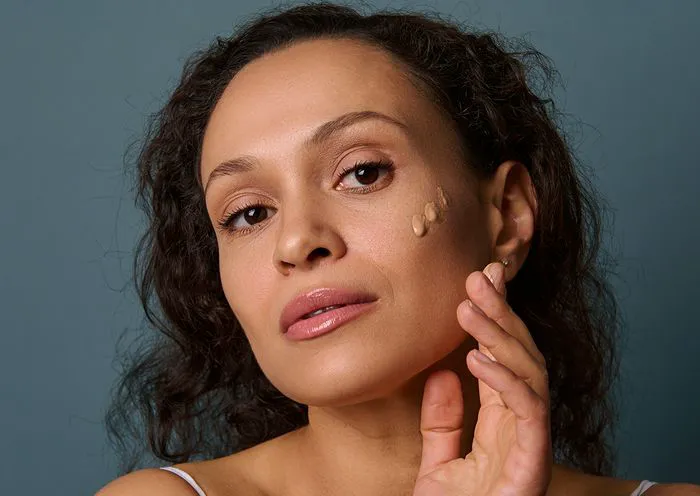
A better approach is to start with just a few small dots of concealer placed strategically where you need the most coverage, such as the inner corners beneath the eyes or directly over areas of discoloration. Gently tap the concealer into the skin with a fingertip, damp makeup sponge, or small concealer brush, blending outward rather than coating the entire under-eye area. Starting with a tiny amount gives you much more control, and you can always add another dot if you need additional coverage.